x

 Oil On CanvasWallArtContemporary Realism
 1872
1872 66.0 x 48.0 cm
Hand-painted oil on canvas in your size and frame, made to order by our artists. ( Buy Print Buy Image)





























Pick from our preset sizes that match the artwork's original proportions.

You may enter your own dimensions to fit a specific frame or space. If your selected size does not match the original image's proportions, we will either crop the artwork or extend the painting with additional hand-painted elements. A digital mockup will be sent for your approval before production begins.
Please note that the on-screen preview does not reflect the actual cropping or extension. Only the mockup will accurately show the final composition.
While custom sizes are available, we recommend selecting a dimension from the predefined list to preserve the original proportions.
Worldwide Delivery () in 3/4 weeks instead of standard 5 weeks. (20 August). No compromise on quality.


Tea
Reproduction Size
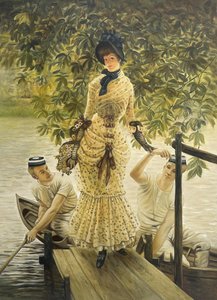
James Jacques Joseph Tissot's "Tea," created in 1872, is more than just a painting; it’s a window into the refined social customs and aesthetic sensibilities of the Victorian era. This oil on wood masterpiece, now residing within the esteemed collection of the Metropolitan Museum of Art in New York, exemplifies Tissot's signature style – meticulous detail combined with an insightful portrayal of human interaction.
The painting depicts a woman elegantly dressed, seated at a table laden with delicate tea cups and saucers. She is engaged in the act of sipping tea, creating a scene of quiet domesticity and leisure. The composition centers around her figure, drawing the viewer's attention to her attire and demeanor. Several other teacups are present on the table, hinting at a possible gathering or social event. The background features a blurred cityscape visible through a window, suggesting an outdoor setting like a veranda or balcony. This juxtaposition of interior tranquility with exterior activity adds depth and intrigue to the scene.
Tissot’s style is characterized by its realism and attention to detail. He masterfully employs light and shadow to create a sense of depth and atmosphere, highlighting the textures of the silver tea service and the intricate patterns on the woman's gown. The use of thin glazes of oil paint builds up color and luminosity, resulting in a rich and layered visual experience. Lines are predominantly straight and precise, defining architectural elements like columns and window frames, contrasting with the softer curves of the woman’s dress. The technique showcases Tissot’s skill in capturing not only physical appearances but also subtle psychological nuances.
"Tea" is deeply rooted in the Victorian era's social dynamics. Tea drinking was a significant ritual, symbolizing hospitality, refinement, and social connection. The painting reflects the period's emphasis on fashion and interior design, showcasing the elegance of Victorian clothing and furnishings. The blurred cityscape outside the window serves as a poignant reminder of the passage of time and the changing nature of life. Symbolically, the silver tea service represents domesticity and refinement, while the woman’s attire speaks to her social standing and taste. Tissot's work provides valuable insight into the values and aesthetics of 19th-century British society.
Beyond its historical significance, "Tea" evokes a sense of quiet contemplation and understated elegance. The woman’s expression is enigmatic, inviting viewers to interpret her thoughts and emotions. The warm lighting creates a comforting atmosphere, while the meticulous detail draws the eye and encourages close observation. The painting's overall effect is one of serene beauty and timeless appeal, making it a captivating work for art lovers and collectors alike.


1836 - 1902 , France
Journey through 25 iconic James Abbott McNeill Whistler paintings! Explore his masterpieces of Aestheticism, from 'Nocturne in Black and Gold' to captivating portraits. Find museum-quality art reproductions & elevate your home decor with Most-Famous-Paintings.com. Discover the full collection online.

Explore the life & art of James Sant (1820-1916), renowned Victorian portraitist to Queen Victoria. Discover his captivating depictions of childhood, landscapes, and aristocratic society. Learn about his legacy & find fine art reproductions.

Explore 25 iconic Sir Alfred Munnings paintings! Discover the beauty of British Impressionism, equine art & rural England. Find museum-quality reproductions and elevate your home decor with Most-Famous-Paintings. Explore the full collection online.

Explore the captivating world of Victorian Realism! Discover genre painting's rise, social commentary in art, & masters like Fedotov and Wilkie. Expert analysis & high-quality reproductions at Most-Famous-Paintings.

Explore the captivating world of Jacques Joseph Tissot, a master painter of Belle Époque society. Discover his realism, Impressionistic style, and lasting influence on art history. Learn more at Most-Famous-Paintings.


Stay updated with the latest art news, exclusive offers, and decoration ideas.
Tell us about your project and our art experts will provide you with 3 personalized art suggestions.
Let Us Curate 3 Options Just for You - Free!


 Preview
 Send
Send Share
Share
 Details

 Download
 Similars
 X-Ray
X-Ray Diaporama
 Read More







 Glass option is only available in size under 110 CM