


x

 Romanticism
 1812
1812 70.0 x 90.0 cm
 Brodsworth Hall
Hand-painted oil on canvas in your size and frame, made to order by our artists. ( Buy Print Buy Image)





























Pick from our preset sizes that match the artwork's original proportions.

You may enter your own dimensions to fit a specific frame or space. If your selected size does not match the original image's proportions, we will either crop the artwork or extend the painting with additional hand-painted elements. A digital mockup will be sent for your approval before production begins.
Please note that the on-screen preview does not reflect the actual cropping or extension. Only the mockup will accurately show the final composition.
While custom sizes are available, we recommend selecting a dimension from the predefined list to preserve the original proportions.
Worldwide Delivery () in 3/4 weeks instead of standard 5 weeks. (20 August). No compromise on quality.


Light Bay Mare
Reproduction Size

James Barenger, born on Christmas Day 1780 in Kentish Town, London, was a pivotal figure in the burgeoning English School of painting—a movement that championed realism and meticulous observation of the natural world. His life’s trajectory mirrored the artistic fervor of his era, marked by familial connections to established craftsmen and an early embrace of artistic pursuits under the tutelage of his father, James Barenger Snr., a skilled metal chaser and artist who garnered acclaim for portraying insects at the Society of Artists and Royal Academy.
His brother Samuel Barenger (christened Major Samuel Barenger) followed in his father’s footsteps as an engraver, fostering a creative environment that nurtured their artistic sensibilities. From humble beginnings, James embarked on a distinguished career dedicated to capturing the essence of animal subjects—primarily horses and dogs—and depicting evocative hunting scenes with unparalleled detail.
Barenger's debut at the Royal Academy in 1807 signaled the commencement of his artistic journey, establishing him as one of London’s foremost painters. He resided primarily in Kentish Town during this formative period but later relocated to Camden Town, where he cultivated a prolific output that captivated discerning patrons and secured his place within the annals of British art history.
Throughout his lifetime, Barenger amassed considerable wealth through commissions from aristocratic families like the Tattersall family, further fueling his artistic endeavors. His paintings were reproduced extensively for sporting publications—most notably W. H. Scott’s *British Field Sports*, *The Sporting Repository*, *The Annals of Sporting* and *The Sporting Magazine*. Notably, Scott engraved Barenger's depiction of Blucher (ca. 1814), cementing the artist’s reputation as a masterful painter and engraver.
Beyond his artistic accomplishments, James Barenger was an avid breeder of pointer dogs—a passion that reflected his deep connection to the English countryside and its wildlife. He passed away peacefully on October 1st, 1831, finding rest in Old St Pancras churchyard, leaving behind a legacy of exquisite paintings that continue to inspire admiration for their technical precision and emotive power.
His contribution to British art history remains undeniable—a testament to his unwavering dedication to capturing the beauty and dynamism of the natural world through masterful observation and skillful execution.

1780 - 1831

Explore 25 iconic Sir Alfred Munnings paintings! Discover the beauty of British Impressionism, equine art & rural England. Find museum-quality reproductions and elevate your home decor with Most-Famous-Paintings. Explore the full collection online.
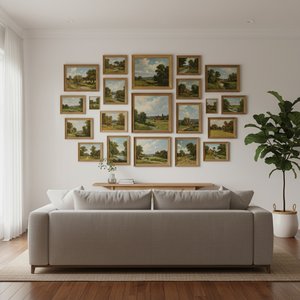
Journey through John Constable's 25 most celebrated landscapes. Explore Romanticism, Dedham Vale & his masterful use of light in iconic paintings like 'Hay Wain'. Find museum-quality art reproductions and elevate your home decor on Most-Famous-Paintings.com.
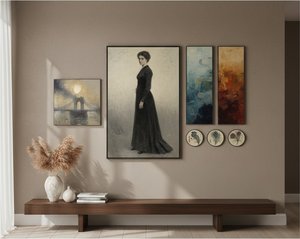
Journey through 25 iconic James Abbott McNeill Whistler paintings! Explore his masterpieces of Aestheticism, from 'Nocturne in Black and Gold' to captivating portraits. Find museum-quality art reproductions & elevate your home decor with Most-Famous-Paintings.com. Discover the full collection online.
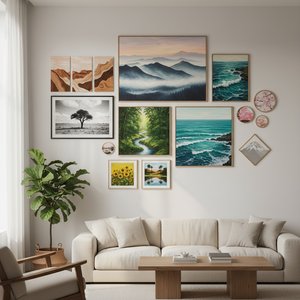
Journey through 10 breathtaking landscape paintings by Monet, Van Gogh & more! Explore iconic artworks, artistic techniques & find inspiration for your home decor. Museum-quality reproductions at Most-Famous-Paintings.com. Discover all masterpieces on Most-Famous-Paintings.com

Explore the rich history of rural landscape painting with Most-Famous-Paintings. Discover Impressionist masterpieces, key artists & movements. Find your perfect serene artwork and bring nature's beauty home.


Stay updated with the latest art news, exclusive offers, and decoration ideas.
Tell us about your project and our art experts will provide you with 3 personalized art suggestions.
Let Us Curate 3 Options Just for You - Free!


 Preview
 Send
Send Share
Share
 Details

 Download
 Similars
 X-Ray
X-Ray Diaporama
 Read More







 Glass option is only available in size under 110 CM


