


x


 Acrylic On CanvasWallArtBaroque
 1638
1638 405.0 x 445.0 cm
 Hermitage Museum
Hand-painted oil on canvas in your size and frame, made to order by our artists.





























Pick from our preset sizes that match the artwork's original proportions.

You may enter your own dimensions to fit a specific frame or space. If your selected size does not match the original image's proportions, we will either crop the artwork or extend the painting with additional hand-painted elements. A digital mockup will be sent for your approval before production begins.
Please note that the on-screen preview does not reflect the actual cropping or extension. Only the mockup will accurately show the final composition.
While custom sizes are available, we recommend selecting a dimension from the predefined list to preserve the original proportions.
Worldwide Delivery () in 3/4 weeks instead of standard 5 weeks. (18 July). No compromise on quality.


Abraham and Melchizedech
Reproduction Size
Jan Witdoeck’s “Abraham and Melchizedech,” created around 1638, is more than just a biblical scene; it's a profound meditation on faith, sacrifice, and the very nature of divine encounter. Executed as a meticulously detailed engraving – a technique particularly favored by Witdoeck during his time at Peter Paul Rubens’ workshop – this work captures a pivotal moment from Genesis, instantly transporting the viewer into the heart of Abraham’s agonizing contemplation. The image, now housed in the Hermitage Museum in St. Petersburg, is a testament to both Witdoeck's technical skill and his ability to imbue a complex narrative with palpable emotion.
The composition itself is strikingly dramatic. Abraham, rendered in stark black and white lines, sits on the ground, his posture conveying a deep sense of sorrow and uncertainty. His head is bowed, his hand clutching a knife – a symbol both of potential violence and of the instruments of sacrifice. He’s surrounded by figures representing the inhabitants of Sodom and Gomorrah, their expressions ranging from concern to apprehension, reflecting the weighty decision he faces. The inclusion of Melchizedech, the enigmatic king bearing gifts, adds another layer of complexity, suggesting a divine intervention or perhaps a symbolic representation of covenant and promise. The artist’s masterful use of shading creates a powerful sense of depth and volume, drawing the eye to Abraham's face – a portrait of profound anguish.
Witdoeck’s skill as an engraver is immediately apparent in the intricate detail of this work. He was working at a crucial period in the history of engraving, benefiting immensely from his apprenticeship under Rubens and learning to execute large plates with remarkable precision. The image demonstrates a sophisticated understanding of chiaroscuro – the dramatic contrast between light and dark – which he expertly employs to sculpt form and convey emotion. Notice how the lines subtly suggest texture, mimicking the appearance of fabric, skin, and stone. The use of cross-hatching creates a rich tapestry of tones, adding depth and realism to the scene. The engraving is not merely a reproduction; it’s an interpretation, shaped by Witdoeck's artistic sensibility.
Furthermore, the work showcases the meticulous process involved in creating engravings. The image was likely based on a painting by Rubens himself, highlighting the collaborative nature of art production during this period. The careful revision and retouching evident in the proofs demonstrate the artist’s commitment to achieving the highest level of quality. This attention to detail is characteristic of Witdoeck's work and reflects his dedication to mastering the craft of engraving.
Beyond its technical brilliance, “Abraham and Melchizedech” is rich in symbolic meaning. The scene represents a critical juncture in Abraham’s life – the moment he is commanded by God to sacrifice Isaac. The knife symbolizes not only the potential for violence but also the willingness to offer something precious in obedience to divine will. Melchizedech, a figure from the Old Testament who appears without lineage or earthly connection, embodies the concept of grace and covenant. His presence suggests that Abraham’s sacrifice is not merely an act of obedience but also a fulfillment of a larger divine plan.
The engraving powerfully captures the emotional weight of this narrative. It's a scene of profound moral dilemma, forcing viewers to confront questions about faith, duty, and the limits of human understanding. The somber atmosphere and Abraham’s anguished expression invite contemplation on the sacrifices we make in our own lives – both large and small – and the enduring power of belief.
“Abraham and Melchizedech” remains a compelling work of art centuries after its creation. Its dramatic composition, masterful technique, and profound symbolism continue to resonate with audiences today. Reproductions offer an accessible way to experience the beauty and power of this iconic engraving, making it a valuable addition to any collection or interior space. The image’s ability to evoke emotion and stimulate thought ensures that it will remain a subject of fascination for generations to come.


1615 - 1642 , Belgium

Explore the dramatic world of Baroque art! Discover iconic artists like Caravaggio & Rubens, defining techniques, and its lasting impact on art history. Expert insights for collectors & enthusiasts at Most-Famous-Paintings.

Journey through art history with our Top 10 Legendary Engravings! Explore masterpieces by Dürer, Rembrandt & Goya. Discover the stories behind these iconic prints and find museum-quality reproductions for your home at Most-Famous-Paintings.com.
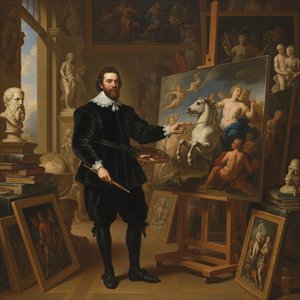
Discover the life & art of Peter Paul Rubens, the most influential artist of the Flemish Baroque tradition. Explore his masterpieces, legacy, and impact on art history with Most-Famous-Paintings.
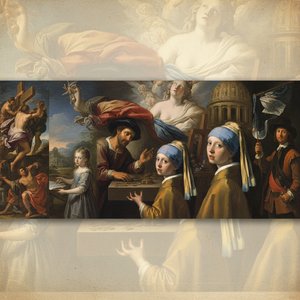
Journey through the drama & grandeur of Baroque art! Explore 10 masterpieces by Caravaggio, Rembrandt, Rubens & more. Discover stunning oil paintings, rich colors & timeless stories. Find museum-quality reproductions at .

Explore the rich history of engraving with Most-Famous-Paintings. Discover techniques, iconic artists like Dürer & Callot, collecting tips, and expert guidance for preserving your art investment. Learn about intaglio printing & more!


Stay updated with the latest art news, exclusive offers, and decoration ideas.
Tell us about your project and our art experts will provide you with 3 personalized art suggestions.
Let Us Curate 3 Options Just for You - Free!


 Buy print
 Send
Send Share
Share
 Details

 Download
 Similars
 X-Ray
X-Ray Diaporama
 Read More







 Glass option is only available in size under 110 CM


