x


Hand-painted oil on canvas in your size and frame, made to order by our artists.





























Pick from our preset sizes that match the artwork's original proportions.

You may enter your own dimensions to fit a specific frame or space. If your selected size does not match the original image's proportions, we will either crop the artwork or extend the painting with additional hand-painted elements. A digital mockup will be sent for your approval before production begins.
Please note that the on-screen preview does not reflect the actual cropping or extension. Only the mockup will accurately show the final composition.
While custom sizes are available, we recommend selecting a dimension from the predefined list to preserve the original proportions.
Worldwide Delivery () in 3/4 weeks instead of standard 5 weeks. (18 July). No compromise on quality.


Circus Maximus
Reproduction Size
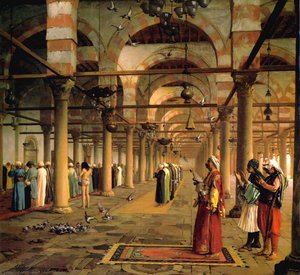
Jean-Léon Gérôme's "Circus Maximus," painted in 1876, isn’t merely a depiction of a Roman chariot race; it’s a meticulously crafted tableau vivant—a frozen moment brimming with the drama, spectacle, and underlying brutality of ancient Rome. This monumental oil painting transports the viewer directly into the heart of the Circus Maximus, offering an immersive experience that speaks volumes about power dynamics, social hierarchy, and the fleeting nature of life itself. Gérôme, a master of historical narrative, expertly blends meticulous realism with theatrical composition to create a scene both captivating and unsettling.
The painting’s subject matter—the chariot race—was a cornerstone of Roman entertainment, a carefully orchestrated display designed to appease the populace and reinforce imperial authority. However, Gérôme doesn't simply present a sporting event; he elevates it into a symbolic representation of Rome’s vast dominion. The sheer scale of the stadium, rendered with astonishing detail, emphasizes the empire’s reach and its capacity for immense public gatherings. The towering tiers of spectators, meticulously depicted in varying social strata – senators in their togas, wealthy merchants, and common citizens – underscore the rigid social structure that governed Roman society. Notice how Gérôme subtly uses color and shading to differentiate these groups, reinforcing their distinct positions within the hierarchy.
Gérôme’s artistic approach is firmly rooted in the academic tradition of 19th-century French painting. He was a student of Paul Delaroche, known for his grand historical scenes, and this influence is evident in Gérôme's painstaking attention to detail and his commitment to accurately representing Roman architecture, clothing, and weaponry. The artist’s technique is characterized by smooth brushstrokes, carefully blended colors, and an almost photographic realism—a hallmark of the academic style. He employed a layering technique, building up textures through multiple thin applications of paint, creating a sense of depth and materiality that draws the viewer into the scene.
The use of light is particularly noteworthy. Gérôme masterfully employs chiaroscuro – the dramatic contrast between light and shadow – to heighten the sense of movement and excitement. The bright sunlight illuminating the racing chariots and the dust kicked up by their wheels sharply contrasts with the darker recesses of the stadium, creating a dynamic visual effect that captures the energy of the race. The artist’s ability to render the textures of the horses' coats, the polished metal of the chariots, and the rough stone of the stadium walls demonstrates his exceptional technical skill.
Beyond its visual spectacle, “Circus Maximus” is laden with symbolic meaning. The painting subtly hints at the darker side of Roman entertainment—the casual acceptance of violence and death as part of the spectacle. The defeated charioteer, lying prone in the dust, represents the fragility of human life and the ultimate fate that awaits all participants in this brutal contest. The gesture of the spectators – a thumbs-down directed towards the fallen racer – is particularly poignant. This “pollice verso,” or turned thumb, was a signal of death, highlighting the precariousness of victory and the inevitability of mortality.
Furthermore, the inclusion of figures like the Vestal Virgins, meticulously depicted in their white robes, adds another layer of symbolism. These priestesses, dedicated to the service of Vesta – the goddess of hearth and home – represent the moral authority of Rome. Their disapproval of the violence underscores the tension between public entertainment and traditional Roman values. The painting, therefore, becomes a meditation on the complexities of power, spectacle, and the enduring human fascination with both life and death.
“Circus Maximus” achieved immediate success upon its exhibition and became one of Gérôme’s most celebrated works. Its popularity led to numerous reproductions, making it a familiar image throughout Europe and America. The painting's influence can be seen in the work of later artists, including Sargent and Cassatt, who were inspired by Gérôme’s dramatic compositions and his ability to capture the essence of historical scenes. Today, “Circus Maximus” remains a powerful testament to Gérôme’s artistic skill and his enduring fascination with the grandeur and brutality of ancient Rome—a captivating image that continues to resonate with viewers centuries after its creation.


1824 - 1904 , France

Explore the captivating world of Alonzo Chappel, a master of 19th-century American historical painting. Discover his iconic works, Romantic style & lasting legacy. Learn about collecting Chappel's art today!

Explore the Barbizon School's pivotal role in 19th-century French painting. Discover how these artists revolutionized landscape art with their commitment to Realism and a profound connection to nature. Learn about key figures like Rousseau, Millet & Corot.

Explore the rich tapestry of art history! Discover Renaissance masterpieces, Pre-Raphaelite narratives & philosophical influences shaping artistic expression across centuries. Expert insights and analysis.

Explore the rich history of pastoral landscape art, from classical Arcadia to Impressionism & beyond. Discover key artists, movements, and how to collect serene rural scenes for your home. Expert insights at Most-Famous-Paintings.

Explore 10 defining Academic Realism masterpieces by Bouguereau, Gérôme & Cabanel. Discover the stories behind these iconic paintings and bring timeless art into your home with museum-quality reproductions from Most-Famous-Paintings.com. Explore the full collection online!


Stay updated with the latest art news, exclusive offers, and decoration ideas.
Tell us about your project and our art experts will provide you with 3 personalized art suggestions.
Let Us Curate 3 Options Just for You - Free!


 Buy print
 Send
Send Share
Share
 Details

 Download
 Similars
 X-Ray
X-Ray Diaporama


 Read More







 Glass option is only available in size under 110 CM