


x

 Acrylic On CanvasWallArtNorthern Renaissance
 1520
1520 118.0 x 81.0 cm
 Metropolitan Museum of Art
Hand-painted oil on canvas in your size and frame, made to order by our artists. ( Buy Print Buy Image)





























Pick from our preset sizes that match the artwork's original proportions.

You may enter your own dimensions to fit a specific frame or space. If your selected size does not match the original image's proportions, we will either crop the artwork or extend the painting with additional hand-painted elements. A digital mockup will be sent for your approval before production begins.
Please note that the on-screen preview does not reflect the actual cropping or extension. Only the mockup will accurately show the final composition.
While custom sizes are available, we recommend selecting a dimension from the predefined list to preserve the original proportions.
Worldwide Delivery () in 3/4 weeks instead of standard 5 weeks. (23 August). No compromise on quality.


Triptych
Reproduction Size
Joachim Patenier stands as a singular figure in the burgeoning Flemish Renaissance, recognized not merely for his technical prowess but for an audacious vision—one that fundamentally altered perceptions of landscape painting. Born around 1480 in Bouvignes (modern Belgium), amidst the intellectual ferment of the era, Patenier’s artistic trajectory diverged from the prevailing obsession with meticulous realism championed by contemporaries like Jan van Eyck and Rogier van der Weyden.
Dürer's astute observation—that Patenier was “the good painter of landscapes”—captures precisely this transformative impulse. He didn’t simply depict mountains and water; he imbued them with emotional resonance, elevating the landscape to a narrative element central to his compositions. This approach foreshadowed developments in German Romanticism decades later, demonstrating an unprecedented sensitivity to atmospheric conditions and their influence on human experience.
Consider Patenier’s “The Penitence of Saint Jerome,” a monumental triptych housed at the Metropolitan Museum of Art. This artwork exemplifies his groundbreaking technique—a continuous landscape stretching across all three panels—a daring innovation that challenged artistic conventions.
At the heart of the scene is Saint Jerome, depicted in agonizing penitence before Christ’s baptism. The artist skillfully employs atmospheric perspective, subtly shifting color palettes from verdant greens to cool blues as the vista recedes into the distance. This masterful manipulation creates a palpable sense of depth and luminosity, transporting viewers beyond mere visual representation into an immersive experience.
Beyond its technical brilliance, “The Penitence of Saint Jerome” speaks volumes about Patenier’s artistic philosophy. The inclusion of demonic figures tormenting Saint Anthony the Hermit underscores themes of spiritual struggle and ascetic devotion—elements that resonate powerfully with viewers today. It's a testament to Patenier’s ability to transform a familiar religious narrative into an unforgettable visual journey.
Joachim Patenier’s influence extended far beyond his own lifetime, notably through collaborations with Albrecht Dürer. Dürer recognized Patenier's pioneering spirit, acknowledging him as “the good painter of landscapes,” a distinction that cemented Patenier’s place in art history.
His work continues to inspire artists and collectors alike, offering a glimpse into the dawn of atmospheric painting—a style characterized by its profound engagement with light and air—and demonstrating that true artistic innovation lies not solely in meticulous detail but in capturing the essence of emotion and experience. Reproductions of “The Penitence of Saint Jerome” allow admirers to appreciate Patenier’s enduring vision, bringing this iconic masterpiece into homes and galleries worldwide.

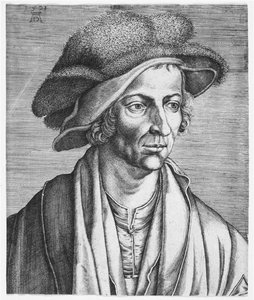
1481 - 1524 , Belgium

Explore the profound history of landscape masterpieces. From the Barbizon School to Monet's Impressionism, discover how timeless natural scenes bring serenity and prestige to your collection through museum-quality, hand-painted oil reproductions.


Stay updated with the latest art news, exclusive offers, and decoration ideas.
Tell us about your project and our art experts will provide you with 3 personalized art suggestions.
Let Us Curate 3 Options Just for You - Free!


 Preview
 Send
Send Share
Share
 Details

 Download
 Similars
 X-Ray
X-Ray Diaporama
 Read More







 Glass option is only available in size under 110 CM


