


x

 OilWallArtRomantic Landscape
 183019th Century
 24.0 x 19.0 cm
 The Ashmolean Museum of Art And Archaeology
Museum-quality giclée or canvas print with fast production and flexible finish options. ( Buy Hand Made Painting Buy Image)





























Pick from our preset sizes that match the artwork's original proportions.

You may enter your own dimensions to fit a specific frame or space. If your selected size does not match the original image's proportions, we will either crop the artwork or extend the image with a mirrored or solid-fill edge. A digital mockup will be sent for your approval before production begins.
Please note that the on-screen preview does not reflect the actual cropping or extension. Only the mockup will accurately show the final composition.
While custom sizes are available, we recommend selecting a dimension from the predefined list to preserve the original proportions.
Worldwide Delivery () in 2 weeks instead of standard 4/5 weeks. (13 August)


John Varley
Reproduction Size
In the quiet intimacy of John Linnell’s 1830 portrait, John Varley, we encounter more than just a likeness; we enter a profound moment of introspection. This exquisite piece serves as a masterful gateway to the Romantic era, a period defined by its deep reverence for individual emotion and the subtle complexities of the human psyche. The subject, captured with a contemplative and serene expression, invites the viewer into a silent dialogue. His gaze, heavy with thought, suggests a man lost in the labyrinth of his own reflections, making the painting feel less like a static image and more like a living, breathing fragment of history.
The composition is masterfully restrained, utilizing a minimalistic background that directs all emotional weight toward the sitter. A soft, diffused light filters through what appears to be a window frame, casting gentle shadows across the man's features. This delicate interplay of light and shadow—a technique reminiscent of the great masters—does not merely illuminate his face; it sculpts his character, highlighting the texture of his skin and the thoughtful set of his mouth. The presence of soft drapes in the periphery adds a layer of domestic warmth, grounding this profound psychological study within a quiet, indoor sanctuary.
Linnell’s technical prowess is evident in the way he balances precision with a certain painterly freedom. While the portrait maintains a striking clarity in the subject's face and formal attire, there is a beautiful, rhythmic movement found in the background. The artist employs loose, expressive brushstrokes that suggest the fleeting nature of light and the atmospheric quality of the air itself. This subtle tension between the detailed rendering of the man’s features and the more fluid, impressionistic treatment of his surroundings creates a sense of depth and vitality.
For the discerning collector or interior designer, this work offers a sophisticated textural element. The dark, heavy tones of the subject's high-collared coat provide a grounding weight that can anchor a room, while the soft, luminous highlights on the face offer a point of light and interest. Whether displayed in a sunlit gallery or a moody, library-style study, the painting brings an air of timeless elegance and intellectual depth to any space.
To possess a reproduction of John Varley is to bring a piece of British art history into the contemporary home. The painting transcends its 19th-century origins, offering a sense of calm and stability that is increasingly rare in our fast-paced modern world. It serves as an evocative focal point, sparking conversation about the nature of identity, memory, and the beauty found in quiet moments of solitude.
As an investment in atmosphere, this work appeals to those who appreciate the nuances of classical portraiture. It is a piece that does not shout for attention but rather commands it through its quiet dignity. For those seeking to curate a collection that celebrates the profound emotional resonance of the Romantic movement, Linnell’s depiction of Varley remains an incomparable choice, embodying a legacy of artistry that continues to inspire awe and admiration across generations.

John Linnell's artistic journey began with rigorous training that laid the foundation for his future success. While specific details of his early education remain somewhat scarce, it is evident that he received a solid grounding in traditional techniques. His early works, though not widely recognized during his lifetime, already hinted at the mastery he would later achieve. Linnell was heavily influenced by renowned artists such as Leonardo da Vinci and Vincent van Gogh, whose works can be found on platforms like Most-Famous-Paintings.com.
Linnell's style is characterized by a fascinating blend of traditional British art with subtle hints of modernity. He demonstrated a keen eye for detail and an ability to capture the essence of his subjects, whether they were landscapes or portraits. His use of color, texture, and composition distinguishes his paintings.
John Linnell's influence on British art is undeniable. His unique style has inspired many artists, and his works continue to be celebrated by art enthusiasts worldwide. He skillfully combined elements of Romanticism and Neoclassicism in his work, demonstrating a deep understanding of artistic traditions while forging his own distinct path. Most-Famous-Paintings.com offers a range of his paintings, providing access to his artistry for both seasoned collectors and those new to the world of fine art.
Linnell's contribution lies in his ability to portray everyday life—rural scenes, portraits of notable figures—with a realism tempered by artistic sensitivity. He captured moments in time, preserving them on canvas for future generations. His work reflects the social and cultural landscape of 19th-century Britain, offering valuable insights into the lives and values of that era.

1959 - 1882 , United Kingdom
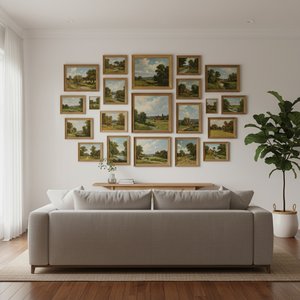
Journey through John Constable's 25 most celebrated landscapes. Explore Romanticism, Dedham Vale & his masterful use of light in iconic paintings like 'Hay Wain'. Find museum-quality art reproductions and elevate your home decor on Most-Famous-Paintings.com.

Explore the serene landscapes of John Varley I, a key figure in British Romanticism. Discover his unique watercolour style, collaboration with William Blake & lasting artistic legacy. Learn about collecting Varley's work.

Journey through 10 Romantic landscape masterpieces by Friedrich, Turner & Cole. Explore emotional art, sublime nature scenes & iconic 19th-century paintings. Find museum-quality reproductions for your home at Most-Famous-Paintings.com – discover the full collection online!

Explore 25 iconic John Singer Sargent paintings – from dazzling portraits to Impressionist landscapes. Discover the stories behind Madame X, El Jaleo & more! Find museum-quality art reproductions and elevate your home decor with Most-Famous-Paintings.com.
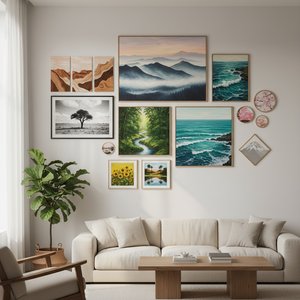
Journey through 10 breathtaking landscape paintings by Monet, Van Gogh & more! Explore iconic artworks, artistic techniques & find inspiration for your home decor. Museum-quality reproductions at Most-Famous-Paintings.com. Discover all masterpieces on Most-Famous-Paintings.com


Stay updated with the latest art news, exclusive offers, and decoration ideas.
Tell us about your project and our art experts will provide you with 3 personalized art suggestions.
Let Us Curate 3 Options Just for You - Free!


 Preview
 Send
Send Share
Share
 Details

 Download
 Similars
 X-Ray
X-Ray Diaporama
 Read More







 Glass option is only available in size under 110 CM


