x

 Acrylic On CanvasWallArt
 192119th Century
 53.0 x 23.0 cm
Museum-quality giclée or canvas print with fast production and flexible finish options. ( Buy Hand Made Painting Buy Image)





























Pick from our preset sizes that match the artwork's original proportions.

You may enter your own dimensions to fit a specific frame or space. If your selected size does not match the original image's proportions, we will either crop the artwork or extend the image with a mirrored or solid-fill edge. A digital mockup will be sent for your approval before production begins.
Please note that the on-screen preview does not reflect the actual cropping or extension. Only the mockup will accurately show the final composition.
While custom sizes are available, we recommend selecting a dimension from the predefined list to preserve the original proportions.
Worldwide Delivery () in 2 weeks instead of standard 4/5 weeks. (14 August)


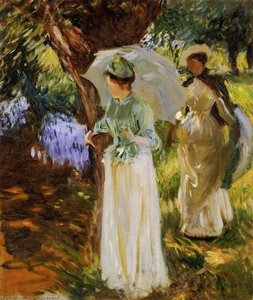
Study for "Death and Victory"
Reproduction Size
John Singer Sargent’s "Study for ‘Death and Victory’," painted in 1921, is far more than a preparatory sketch; it's a profoundly moving allegory of conflict, loss, and ultimately, the enduring spirit of humanity. Created as one panel of a monumental mural destined for Harvard University’s Widener Memorial Library – a space dedicated to honoring alumni who perished in World War I – this watercolor offers an intimate glimpse into Sargent’s artistic process and his deeply considered engagement with themes of war and remembrance. The work's restrained palette, dominated by muted grays, browns, and subtle blues, contributes significantly to its somber yet dignified atmosphere.
Sargent masterfully employs a classical compositional structure, reminiscent of Renaissance painting, to convey a powerful narrative. At the heart of the scene stands a solitary soldier, rendered with meticulous detail in terms of anatomy and expression – his posture conveying both weariness and resolute determination. He clutches the ascending figure of Victory, personified by a radiant female form, symbolizing triumph over adversity. However, this victory is immediately tempered by the presence of Death, represented as a shrouded figure looming behind the soldier, weighing him down with an almost unbearable burden. This juxtaposition – the promise of victory alongside the inevitability of death – forms the core of the artwork’s emotional resonance.
The watercolor medium itself is crucial to understanding Sargent’s approach here. He utilizes a delicate layering technique, building up tones gradually with thin washes of color, creating a remarkable sense of depth and atmosphere. The loose brushwork, particularly in the rendering of drapery and the subtle gradations of light and shadow, adds to the painting's expressive quality. Notice how Sargent doesn’t simply depict the figures; he captures their emotional states through nuanced gestures and facial expressions. The architectural setting, though sketched lightly, provides a vital grounding for the scene, suggesting the mural’s intended placement within the grand library space – a space designed to inspire contemplation and remembrance.
The composition is deliberately balanced, yet subtly unsettling. The central figure anchors the viewer's attention, while the flanking figures—representing Death and Victory—create a dynamic tension. Sargent’s skill lies in his ability to convey complex ideas through simple forms and restrained color, creating an image that is both visually arresting and profoundly thought-provoking.
"Death and Victory" reflects the profound impact of World War I on the generation that lived through it. The mural was commissioned as a memorial to Harvard alumni who had sacrificed their lives in the conflict, representing a nation grappling with the horrors of modern warfare. Sargent’s allegorical approach—using symbolic figures to represent abstract concepts—was a common artistic strategy during this period, allowing artists to engage with complex themes in a way that resonated with a broad audience. The shrouded figure of Death is particularly poignant, reminding us of the human cost of war and the fragility of life.
Furthermore, the work’s creation occurred within the context of the early 20th century's burgeoning interest in classical art and mythology. Sargent was deeply influenced by this tradition, evident in his careful attention to composition, proportion, and the use of allegorical figures. This study offers a valuable insight into Sargent’s artistic development and his ability to synthesize diverse influences into a powerfully expressive work.
"Study for ‘Death and Victory’" remains a compelling testament to Sargent's artistic genius and his profound engagement with the human condition. It is not merely a historical document; it is an enduring meditation on themes of sacrifice, loss, and the eternal struggle between life and death. This meticulously crafted watercolor reproduction allows you to experience the full impact of Sargent’s vision – a poignant reminder of the price of victory and the importance of remembrance.

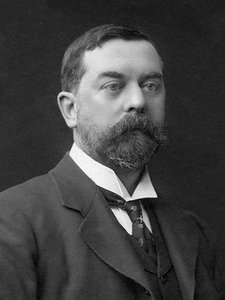
1856 - 1925 , Italy


Stay updated with the latest art news, exclusive offers, and decoration ideas.
Tell us about your project and our art experts will provide you with 3 personalized art suggestions.
Let Us Curate 3 Options Just for You - Free!


 Preview
 Send
Send Share
Share
 Details

 Download
 Similars
 X-Ray
X-Ray Diaporama
 Read More







 Glass option is only available in size under 110 CM