x

 Acrylic On CanvasWallArtDadaism
 1925
1925 44.0 x 36.0 cm
 MOMA - Museum of Modern Art
Purchase a high-resolution, enhanced digital image, far superior to the online preview.
Each file is meticulously prepared by our in-house specialists using advanced tools and expert manual retouching. We ensure every image has exceptional clarity, precise color accuracy, and fine detail.
The final file is delivered via email within 72 hours, optimized for immediate use in professional, editorial, and print environments. This is the same quality trusted by top-tier design studios, publishers, and galleries.
Download a high-resolution file for personal display, printing, and creative projects. ( Buy Print Buy Hand Made Painting)
When you choose Most-Famous-Paintings.com, you're not just getting an image - you're receiving a professionally enhanced digital artwork, crafted with precision and backed by a satisfaction guarantee. Here's everything that comes with your order, automatically:

Your high-resolution digital image file will be emailed to you within 72 hours of ordering - ready for immediate use.

Your artwork is professionally optimized using advanced AI tools and manual editing, ensuring maximum detail, clarity, and color accuracy.

Accidentally deleted or lost your file? No worries - we'll resend it to you anytime, free of charge.

Enjoy your artwork instantly with zero customs, duties, or delivery fees - digital downloads are always tax-free.

We ensure your digital image reflects the original colors as closely as possible using professional tools and color management.

If you're not satisfied with your digital image, we'll revise it or refund 100% within 60 days - no questions asked.

Not satisfied? Get a full refund within 60 days of receiving your digital file - no questions asked.

Buy 3 images, save 10% - Buy 5, save 15% - Buy 10+, save 20%. Great for creative projects, galleries, and agencies.
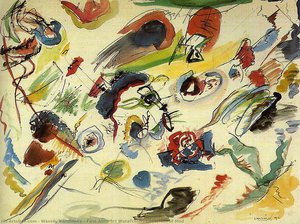
Kurt Schwitters’ “Elikan,” created in 1925, stands as a cornerstone of Dadaism and embodies the movement's radical rejection of traditional artistic conventions. More than just an assemblage of found objects—paper scraps, cardboard fragments, painted surfaces—it represents a profound exploration of chance, materiality, and the disintegration of established order amidst the turbulent aftermath of World War I.
Schwitters’ approach to art was fundamentally altered by the devastation wrought upon Europe. Disillusioned with academic formalism, he sought new methods of expression that mirrored the fractured reality surrounding him. Influenced heavily by Cubist collage techniques—specifically those pioneered by Pablo Picasso and Georges Braque—he adopted a strategy of constructing images from disparate elements, prioritizing spontaneity over meticulous planning.
The artwork itself is dominated by geometric forms: rectangles, squares, and triangles intersect and overlap, creating a dynamic visual landscape. Color plays an integral role, utilizing shades of blue, yellow, red, black, and white—a palette deliberately chosen to convey both emotional intensity and intellectual complexity. The textures vary considerably; some areas boast the rough surface of cardboard, while others display the smooth sheen of painted paper, highlighting Schwitters’ masterful manipulation of materials.
“Elikan,” like many of Schwitters’ Merz Pictures, eschews narrative storytelling in favor of a purely visual experience. Instead, it invites contemplation on concepts of fragmentation and reconstitution—themes central to Dada's critique of bourgeois values and its embrace of irrationality. The piece isn’t merely decorative; it’s a deliberate provocation, urging viewers to confront the instability inherent in modern existence.
Its impact extends beyond its formal qualities. Schwitters’ work anticipates later developments in installation art and conceptual art, demonstrating an unwavering commitment to exploring new possibilities for artistic expression. “Elikan” continues to resonate with audiences today as a testament to the enduring power of Dada's rebellious spirit—a celebration of imperfection and a refusal to accept dogma.
Schwitters’ fascination with the accidental nature of creation is palpable in every element of “Elikan.” The seemingly random arrangement of shapes and colors reflects his belief that art should emerge from unexpected encounters between disparate materials and ideas. This ethos aligns perfectly with Dada's manifesto, which proclaimed "Nothing is beautiful but what is accidental."
The photograph accompanying this description reveals subtle signs of wear—creases and slight discoloration—suggesting that it originates from an older source. However, this patina serves only to underscore the artwork’s historical significance and its enduring presence within the canon of modern art.


1887 - 1948


Stay updated with the latest art news, exclusive offers, and decoration ideas.
Tell us about your project and our art experts will provide you with 3 personalized art suggestions.
Let Us Curate 3 Options Just for You - Free!


 Preview
 Send
Send Share
Share
 Details

 Download
 Similars
 X-Ray
X-Ray Diaporama
 Read More