


x


 Oil On CanvasWallArt
 Renaissance
 5.0 x 44.0 cm
 Museu Lasar Segall
Museum-quality giclée or canvas print with fast production and flexible finish options.





























Pick from our preset sizes that match the artwork's original proportions.

You may enter your own dimensions to fit a specific frame or space. If your selected size does not match the original image's proportions, we will either crop the artwork or extend the image with a mirrored or solid-fill edge. A digital mockup will be sent for your approval before production begins.
Please note that the on-screen preview does not reflect the actual cropping or extension. Only the mockup will accurately show the final composition.
While custom sizes are available, we recommend selecting a dimension from the predefined list to preserve the original proportions.
Worldwide Delivery () in 2 weeks instead of standard 4/5 weeks. (27 July)


Maternidade
Reproduction Size
“Maternidade” (Motherhood), painted in 1935 by the Lithuanian-Brazilian artist Lasar Segall, is more than a simple depiction of a woman and child; it's a profoundly moving exploration of human connection, displacement, and the enduring strength of familial bonds. Executed in oil on canvas, this work exemplifies Segall’s distinctive style – a potent blend of Expressionism, Cubism, and deeply personal symbolism rooted in his own experiences as a refugee and artist navigating profound social upheaval.
The composition itself is strikingly direct. A woman, rendered with a deliberate solidity yet imbued with an undeniable fragility, cradles her infant son within her arms. The child’s face remains largely obscured, adding to the sense of mystery and emphasizing the protective embrace of the mother. Segall's masterful use of color – earthy browns, muted greens, and touches of ochre – contributes significantly to the painting’s somber yet comforting atmosphere. These colors evoke a sense of groundedness, reflecting the primal connection between mother and child, while simultaneously hinting at the hardships endured by those displaced from their homes.
Segall's life story is inextricably linked to the artwork. Fleeing persecution in Lithuania during the early 20th century, he eventually settled in Brazil, carrying with him a deep sense of loss and a commitment to portraying the human condition with unflinching honesty. “Maternidade” can be interpreted as a powerful meditation on this experience – a testament to the resilience of the human spirit and the enduring need for connection amidst chaos. The painting’s raw emotion speaks directly to the universal themes of motherhood, protection, and the profound bond between generations.
The influence of Cubism is evident in Segall's fragmented forms and multiple perspectives, subtly suggesting the fractured nature of identity and experience often associated with displacement. However, unlike some Cubist works focused on intellectual abstraction, Segall’s use of this technique serves to heighten the emotional impact of the scene, intensifying the viewer’s sense of empathy for the figures within.
Beyond its formal elements, “Maternidade” is rich in symbolic meaning. The woman's posture – protective, enveloping, almost sculptural – suggests a fortress against the world, while her gaze conveys both tenderness and a quiet determination. The child’s presence represents not just future generations but also the continuation of life itself, a symbol of hope amidst adversity. The painting’s title itself underscores its central theme: the fundamental role of motherhood as a source of strength, security, and enduring love.
Segall's ability to capture such profound emotional depth through seemingly simple imagery is a testament to his artistic genius. “Maternidade” remains a powerful and timeless work – a poignant reminder of our shared humanity and the importance of cherishing those closest to us.


1891 - 1957 , Lithuania

Journey through 10 defining modern masterpieces! Explore iconic paintings by Picasso, Monet & Van Gogh. Discover art history, techniques & emotional depth. Find museum-quality reproductions for your home at Most-Famous-Paintings.com.

Explore the revolutionary art of Umberto Boccioni, a leading figure of Futurism. Discover his iconic sculptures & paintings, and delve into the movement's impact on modern art history with Most-Famous-Paintings.
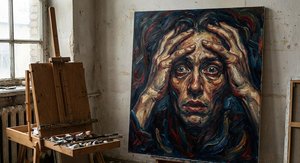
Explore the powerful world of Figurative Expressionism with Most-Famous-Paintings. Discover key artists like Kirchner & Beckmann, understand its emotional depth, and learn how to collect this influential 20th-century art movement.

Journey through art history with our guide to 10 legendary oil on canvas masterpieces! Explore iconic works by Van Gogh, Monet & Rembrandt. Find museum-quality reproductions and elevate your home decor at . Discover all masterpieces online.

Explore the captivating history of marble sculpture from ancient Greece to modern art. Discover renowned artists like Canova & Michelangelo, carving techniques, and investment insights at Most-Famous-Paintings.


Stay updated with the latest art news, exclusive offers, and decoration ideas.
Tell us about your project and our art experts will provide you with 3 personalized art suggestions.
Let Us Curate 3 Options Just for You - Free!


 Preview
 Buy Painting
 Send
Send Share
Share
 Details

 Download
 Similars
 X-Ray
X-Ray Diaporama
 Read More







 Glass option is only available in size under 110 CM


