


x


 Oil On CanvasWallArtGerman Expressionism
 1904
1904 155.0 x 140.0 cm
 Hessisches Landesmuseum
Hand-painted oil on canvas in your size and frame, made to order by our artists.





























Pick from our preset sizes that match the artwork's original proportions.

You may enter your own dimensions to fit a specific frame or space. If your selected size does not match the original image's proportions, we will either crop the artwork or extend the painting with additional hand-painted elements. A digital mockup will be sent for your approval before production begins.
Please note that the on-screen preview does not reflect the actual cropping or extension. Only the mockup will accurately show the final composition.
While custom sizes are available, we recommend selecting a dimension from the predefined list to preserve the original proportions.
Worldwide Delivery () in 3/4 weeks instead of standard 5 weeks. (18 July). No compromise on quality.


Der Harem
Reproduction Size
Lovis Corinth's "Der Harem," painted in 1904, isn’t merely a depiction of women; it’s an invitation into a private world of connection and unspoken narratives. This oil on canvas, currently residing within the Hessisches Landesmuseum in Darmstadt, Germany, transcends simple representation to become a poignant exploration of female solidarity and the quiet beauty of shared experience. Corinth, a pivotal figure in German Expressionism, masterfully blends elements of realism with an intensely personal style, creating a work that continues to resonate with viewers over a century later.
The scene unfolds within what appears to be a dimly lit interior – though the precise location remains deliberately ambiguous. Several women are arranged in a loose circle, their postures ranging from relaxed repose to active engagement. One woman is notably positioned on the floor, her legs extended in an open gesture that simultaneously conveys vulnerability and a quiet confidence. Beside her kneels another, offering a sense of support and companionship. The remaining figures – standing and partially obscured – contribute to a dynamic composition that avoids rigid formality, suggesting a natural gathering rather than a posed tableau. A small cat nestled near the bottom right corner introduces an element of domesticity, subtly reinforcing the feeling of a shared space and intimate routine.
Corinth’s technique is immediately striking. He employs loose brushstrokes and a vibrant palette that leans heavily into Impressionistic influences, yet retains a distinctly Expressionist sensibility. The colors are not rendered with photographic accuracy but rather imbued with emotional weight. Deep blues and greens dominate the background, creating an atmosphere of subdued light and shadow, while warmer tones – ochres, reds, and yellows – highlight the figures themselves. Corinth’s use of broken color and layering creates a sense of depth and movement, drawing the viewer into the scene and encouraging them to linger on individual details.
The artist's handling of light is particularly noteworthy. It’s not uniformly distributed; instead, it pools in certain areas, illuminating faces and creating subtle gradations of tone. This masterful manipulation of light contributes significantly to the painting’s emotional impact, suggesting a world bathed in both intimacy and mystery.
While “Der Harem” resists easy interpretation, it's clear that Corinth is exploring themes of female connection and solidarity. The open posture of the woman on the floor has been interpreted as a symbol of vulnerability and openness, while her companion’s kneeling position suggests support and acceptance. The absence of overt narrative – no dialogue, no discernible action – allows viewers to project their own interpretations onto the scene. It's not a story being told; it’s a moment being captured, a feeling being conveyed.
The inclusion of the cat is often seen as a symbol of domesticity and comfort, further reinforcing the sense of a shared space and intimate connection. Corinth was known for his exploration of human relationships, particularly those involving women, and “Der Harem” stands as a testament to his ability to capture the complexities of female bonds with remarkable sensitivity.
“Der Harem” is more than just a beautiful painting; it’s a window into the soul of an artist grappling with profound questions about human connection and identity. Corinth's work, deeply rooted in his personal experiences – including a difficult childhood and a tragic love affair – resonates powerfully with viewers today. The Hessisches Landesmuseum provides a fitting home for this significant piece, ensuring that its emotional resonance continues to be shared with generations of art lovers. Reproductions of “Der Harem” offer an accessible way to experience the painting’s beauty and depth, bringing Corinth's evocative vision into homes and spaces around the world.


1858 - 1925 , Netherlands

Journey through 25 iconic artworks at the Metropolitan Museum of Art! Explore Van Gogh, Monet, Rembrandt & more. Discover art history, inspiring stories, and museum-quality reproductions to elevate your home decor. Explore the full collection on Most-Famous-Paintings.com.
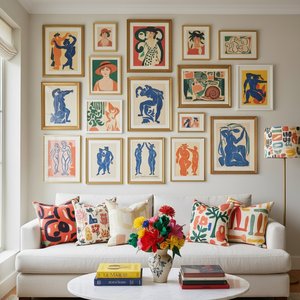
Journey through Henri Matisse's 25 most iconic paintings! Explore Fauvism, vibrant colors & the stories behind masterpieces like 'The Dance'. Find museum-quality art reproductions and curated decor ideas to elevate your space. Discover all masterpieces on Most-Famous-Paintings.com.
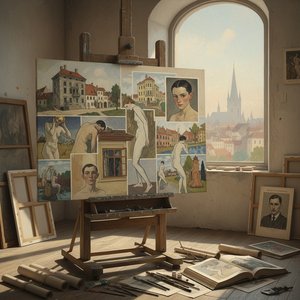
Delve into the haunting world of Egon Schiele with our curated selection of his 25 most iconic Expressionist paintings. Explore the artist's life, technique & emotional depth. Find museum-quality Schiele reproductions and elevate your home decor on Most-Famous-Paintings.com.
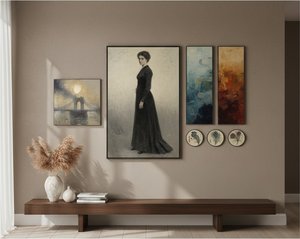
Journey through 25 iconic James Abbott McNeill Whistler paintings! Explore his masterpieces of Aestheticism, from 'Nocturne in Black and Gold' to captivating portraits. Find museum-quality art reproductions & elevate your home decor with Most-Famous-Paintings.com. Discover the full collection online.
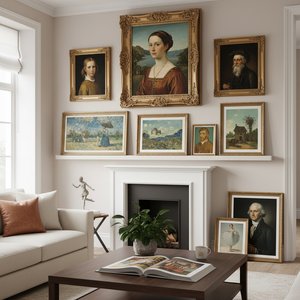
Explore 25 iconic artworks from Washington DC's National Gallery of Art! Discover masterpieces by Cézanne, Matisse & Picasso. Find museum-quality art reproductions and elevate your home decor with timeless paintings. Explore the full collection online at Most-Famous-Paintings.com.


Stay updated with the latest art news, exclusive offers, and decoration ideas.
Tell us about your project and our art experts will provide you with 3 personalized art suggestions.
Let Us Curate 3 Options Just for You - Free!


 Buy print
 Send
Send Share
Share
 Details

 Download
 Similars
 X-Ray
X-Ray Diaporama
 Read More







 Glass option is only available in size under 110 CM


