x


 Acrylic On CanvasWallArtSurrealism
 1968
1968 160.0 x 160.0 cm
Purchase a high-resolution, enhanced digital image, far superior to the online preview.
Each file is meticulously prepared by our in-house specialists using advanced tools and expert manual retouching. We ensure every image has exceptional clarity, precise color accuracy, and fine detail.
The final file is delivered via email within 72 hours, optimized for immediate use in professional, editorial, and print environments. This is the same quality trusted by top-tier design studios, publishers, and galleries.
Download a high-resolution file for personal display, printing, and creative projects.
When you choose Most-Famous-Paintings.com, you're not just getting an image - you're receiving a professionally enhanced digital artwork, crafted with precision and backed by a satisfaction guarantee. Here's everything that comes with your order, automatically:

Your high-resolution digital image file will be emailed to you within 72 hours of ordering - ready for immediate use.

Your artwork is professionally optimized using advanced AI tools and manual editing, ensuring maximum detail, clarity, and color accuracy.

Accidentally deleted or lost your file? No worries - we'll resend it to you anytime, free of charge.

Enjoy your artwork instantly with zero customs, duties, or delivery fees - digital downloads are always tax-free.

We ensure your digital image reflects the original colors as closely as possible using professional tools and color management.

If you're not satisfied with your digital image, we'll revise it or refund 100% within 60 days - no questions asked.

Not satisfied? Get a full refund within 60 days of receiving your digital file - no questions asked.

Buy 3 images, save 10% - Buy 5, save 15% - Buy 10+, save 20%. Great for creative projects, galleries, and agencies.
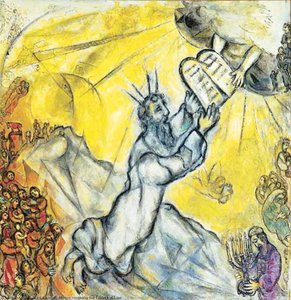
Marc Chagall's 1968 painting, “Easter,” is not a literal depiction of the religious holiday but rather a deeply personal and symbolic exploration of faith, memory, and the enduring human spirit. Measuring an impressive 160 x 160 cm, the canvas pulsates with the artist’s signature blend of vibrant color, dreamlike imagery, and folkloric motifs. It's a work that invites contemplation, drawing viewers into a world where reality and imagination intertwine seamlessly. The painting isn’t simply *about* Easter; it embodies the feeling of renewal and hope associated with the season, filtered through Chagall’s unique artistic lens.
While often categorized as Surrealist due to its fantastical elements, “Easter” transcends easy categorization. Chagall wasn't a strict adherent to any single movement; instead, he synthesized influences from Cubism, Symbolism, and his own deeply rooted Jewish heritage. The painting’s composition is deliberately fragmented yet harmonious. A winged figure dominates the left side of the canvas, seemingly descending or ascending on the back of a horse – a recurring symbol in Chagall's work representing both power and vulnerability. This central image is surrounded by a village scene reminiscent of his childhood home in Vitebsk, Belarus. The houses are clustered together, bathed in an ethereal light, evoking a sense of nostalgia and longing. The bold use of color—particularly the striking contrast between black, white, and fiery reds—creates a dramatic tension that heightens the emotional impact of the scene. It’s as if Chagall is presenting us with fragments of memory, pieced together to form a larger, more profound narrative.
The symbolism within “Easter” is rich and multilayered. The ox's head peering down from above isn’t merely an animalistic presence; it alludes to ancient agricultural rituals and perhaps even biblical references. Birds, frequently appearing in Chagall’s oeuvre, often represent freedom, spirituality, or messengers between worlds—two are subtly placed within the composition, adding another layer of meaning. The cup positioned at the lower left corner could symbolize communion or a ritual offering, further reinforcing the painting's religious undertones. Even the seemingly simple act of figures gathering in the village carries weight; it speaks to community, tradition, and the enduring power of faith. The red plane that cuts across the composition is particularly striking—it can be interpreted as a symbol of passion, sacrifice, or even divine light breaking through darkness. Chagall masterfully employs these symbols not as explicit statements but as evocative suggestions, allowing viewers to construct their own interpretations.
Born in 1887 into a Hasidic Jewish family, Marc Chagall experienced a life marked by both joy and upheaval. His art consistently reflects this duality—a celebration of life intertwined with an awareness of suffering and loss. He witnessed firsthand the pogroms and political turmoil that plagued Eastern Europe, experiences that undoubtedly shaped his artistic vision. Despite these hardships, Chagall maintained an unwavering belief in the power of love, faith, and imagination. “Easter,” created late in his career, embodies this enduring optimism. It’s a testament to his ability to transform personal memories and universal themes into works of breathtaking beauty and emotional resonance. For those seeking to bring a touch of magic and spiritual depth into their spaces, a reproduction of "Easter" offers not just an aesthetic statement but a window into the soul of one of the 20th century’s most beloved artists.

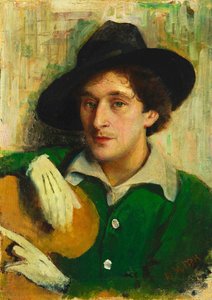
1887 - 1985 , Belarus


Stay updated with the latest art news, exclusive offers, and decoration ideas.
Tell us about your project and our art experts will provide you with 3 personalized art suggestions.
Let Us Curate 3 Options Just for You - Free!


 Buy print
 Send
Send Share
Share
 Details

 Download
 Similars
 X-Ray
X-Ray Diaporama
 Read More