


x

 Acrylic On CanvasWallArtSurrealism
 1961
1961 31.0 x 47.0 cm
Purchase a high-resolution, enhanced digital image, far superior to the online preview.
Each file is meticulously prepared by our in-house specialists using advanced tools and expert manual retouching. We ensure every image has exceptional clarity, precise color accuracy, and fine detail.
The final file is delivered via email within 72 hours, optimized for immediate use in professional, editorial, and print environments. This is the same quality trusted by top-tier design studios, publishers, and galleries.
Download a high-resolution file for personal display, printing, and creative projects. ( Buy Print Buy Hand Made Painting)
When you choose Most-Famous-Paintings.com, you're not just getting an image - you're receiving a professionally enhanced digital artwork, crafted with precision and backed by a satisfaction guarantee. Here's everything that comes with your order, automatically:

Your high-resolution digital image file will be emailed to you within 72 hours of ordering - ready for immediate use.

Your artwork is professionally optimized using advanced AI tools and manual editing, ensuring maximum detail, clarity, and color accuracy.

Accidentally deleted or lost your file? No worries - we'll resend it to you anytime, free of charge.

Enjoy your artwork instantly with zero customs, duties, or delivery fees - digital downloads are always tax-free.

We ensure your digital image reflects the original colors as closely as possible using professional tools and color management.

If you're not satisfied with your digital image, we'll revise it or refund 100% within 60 days - no questions asked.

Not satisfied? Get a full refund within 60 days of receiving your digital file - no questions asked.

Buy 3 images, save 10% - Buy 5, save 15% - Buy 10+, save 20%. Great for creative projects, galleries, and agencies.
Marc Chagall's *Paradise (12)*, painted in 1961, isn’t merely a depiction of a biblical scene; it’s an immersion into the artist’s deeply personal universe—a vibrant tapestry woven from memory, faith, and the enduring spirit of his Vitebsk childhood. This canvas pulsates with a joyous energy, a testament to Chagall's ability to transform the familiar narratives of Eden into something profoundly moving and uniquely his own. The painting immediately draws the eye with its riotous color palette—a symphony of blues, greens, yellows, and reds that seem to shimmer with an inner light. It’s a world unbound by realism, where figures float and dance amidst a profusion of flowers, creating a sense of both earthly delight and celestial transcendence.
At the heart of *Paradise (12)* lies a group of figures—a multitude of individuals rendered in Chagall’s signature style. They aren't portraits, but rather embodiments of archetypes; Adam and Eve are present, naturally, but surrounded by a throng of family members, friends, and neighbors – all recognizable as characters from his Vitebsk past. The composition is deliberately loose and dynamic, suggesting movement and conversation. Notice how some figures are clustered together, engaged in animated dialogue, while others drift further into the background, lost in contemplation or simply enjoying the beauty of their surroundings. The arrangement feels less like a formal depiction and more like a spontaneous gathering—a celebration of life and connection.
Chagall’s work is rich with symbolism, drawing heavily on Jewish folklore and religious tradition. The abundance of flowers isn't simply decorative; they represent fertility, renewal, and the promise of eternal life. The presence of animals—a donkey, a bird, and a dog—adds layers of meaning, referencing biblical stories and representing aspects of nature and human relationships. The central figure, often interpreted as Chagall himself, is depicted with his characteristic flowing beard and distinctive hat, suggesting both humility and artistic authority. The inclusion of figures from his family – including his wife, Valentina (known as Bella) – reinforces the painting’s deeply personal nature, transforming a biblical narrative into a celebration of familial love and heritage.
*Paradise (12)* is executed in gouache on canvas, a medium that lends itself beautifully to Chagall’s expressive style. The flat, vibrant colors are applied with broad brushstrokes, creating a sense of immediacy and spontaneity. The lack of precise detail contributes to the painting's dreamlike quality—it feels as though we’re peering into a vivid memory or glimpsing a fleeting vision. Chagall’s use of color is particularly noteworthy; he employs contrasting hues to create visual excitement and depth, while also utilizing subtle gradations to suggest light and shadow. The overall effect is one of joyous exuberance—a testament to the artist's mastery of his chosen medium.
Beyond its technical brilliance, *Paradise (12)* possesses a profound emotional resonance. It’s not simply a retelling of the story of Adam and Eve; it's an affirmation of life’s beauty, joy, and interconnectedness. The painting radiates warmth and optimism—a reminder that even in the face of adversity, there is always hope for renewal and redemption. It invites us to contemplate our own relationships, our memories, and our place within the larger tapestry of human experience. *Paradise (12)* remains a powerful testament to Chagall’s enduring legacy as one of the 20th century's most beloved and influential artists.

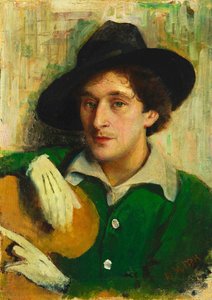
1887 - 1985 , Belarus


Stay updated with the latest art news, exclusive offers, and decoration ideas.
Tell us about your project and our art experts will provide you with 3 personalized art suggestions.
Let Us Curate 3 Options Just for You - Free!


 Preview
 Send
Send Share
Share
 Details

 Download
 Similars
 X-Ray
X-Ray Diaporama
 Read More


