


x

Purchase a high-resolution, enhanced digital image, far superior to the online preview.
Each file is meticulously prepared by our in-house specialists using advanced tools and expert manual retouching. We ensure every image has exceptional clarity, precise color accuracy, and fine detail.
The final file is delivered via email within 72 hours, optimized for immediate use in professional, editorial, and print environments. This is the same quality trusted by top-tier design studios, publishers, and galleries.
Download a high-resolution file for personal display, printing, and creative projects. ( Buy Print Buy Hand Made Painting)
When you choose Most-Famous-Paintings.com, you're not just getting an image - you're receiving a professionally enhanced digital artwork, crafted with precision and backed by a satisfaction guarantee. Here's everything that comes with your order, automatically:

Your high-resolution digital image file will be emailed to you within 72 hours of ordering - ready for immediate use.

Your artwork is professionally optimized using advanced AI tools and manual editing, ensuring maximum detail, clarity, and color accuracy.

Accidentally deleted or lost your file? No worries - we'll resend it to you anytime, free of charge.

Enjoy your artwork instantly with zero customs, duties, or delivery fees - digital downloads are always tax-free.

We ensure your digital image reflects the original colors as closely as possible using professional tools and color management.

If you're not satisfied with your digital image, we'll revise it or refund 100% within 60 days - no questions asked.

Not satisfied? Get a full refund within 60 days of receiving your digital file - no questions asked.

Buy 3 images, save 10% - Buy 5, save 15% - Buy 10+, save 20%. Great for creative projects, galleries, and agencies.
“Purple Brown,” created in 1957 by Mark Rothko, is more than just an abstract painting; it's a profound exploration of human emotion rendered through the deliberate layering of color. This piece exemplifies Rothko’s mastery of the Color Field style, a movement that sought to evoke spiritual and emotional responses directly from the viewer through vast expanses of pigment. The image itself – a close-up revealing a large square dominated by deep purple and warm brown squares – immediately draws the eye into its carefully constructed depths. The subtle variations within each shade of brown, meticulously applied, create a sense of movement and texture that invites prolonged contemplation.
Rothko’s technique was characterized by his use of thin washes of oil paint, often applied in rhythmic layers. This process, known as ‘allaghing,’ created a luminous quality, allowing the colors to bleed into one another and generate an almost ethereal effect. The division of the square into three sections, each with its own nuanced shade of brown, isn’t merely compositional; it suggests a fragmented state of being – mirroring perhaps Rothko's own experiences of displacement and loss. The deliberate lack of sharp edges or defined forms contributes to the painting’s meditative quality, encouraging viewers to lose themselves in the interplay of color and light.
‘Purple Brown’ was produced during a pivotal moment in Rothko's career and within the broader context of the Color Field movement. Emerging in the mid-1950s, this style rejected traditional representational painting, instead focusing on pure color as its primary subject matter. Influenced by Abstract Expressionism, artists like Rothko sought to tap into universal human emotions – anxiety, grief, spirituality – through monumental canvases. Rothko’s personal history—his Latvian heritage, his family's struggles with immigration and assimilation, the early loss of his father—fueled this exploration of existential themes, making ‘Purple Brown’ a deeply autobiographical work despite its abstract form.
The pairing of purple and brown is particularly significant. Purple has long been associated with royalty, spirituality, and mourning, while brown evokes earthiness, stability, and perhaps even decay. Together, they create a powerful tension – a visual representation of the struggle between hope and despair, life and death. ‘Purple Brown’ isn't intended to offer easy answers; instead, it invites viewers to confront their own anxieties and contemplate the complexities of human existence. The painting’s emotional impact is profound, resonating with a sense of quiet melancholy and a yearning for meaning.
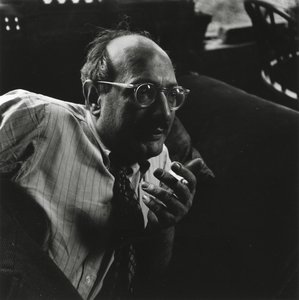
1903 - 1970 , Latvia


Stay updated with the latest art news, exclusive offers, and decoration ideas.
Tell us about your project and our art experts will provide you with 3 personalized art suggestions.
Let Us Curate 3 Options Just for You - Free!


 Preview
 Send
Send Share
Share
 Details

 Download
 Similars
 X-Ray
X-Ray Diaporama

 Read More


