


x

Hand-painted oil on canvas in your size and frame, made to order by our artists.





























Pick from our preset sizes that match the artwork's original proportions.

You may enter your own dimensions to fit a specific frame or space. If your selected size does not match the original image's proportions, we will either crop the artwork or extend the painting with additional hand-painted elements. A digital mockup will be sent for your approval before production begins.
Please note that the on-screen preview does not reflect the actual cropping or extension. Only the mockup will accurately show the final composition.
While custom sizes are available, we recommend selecting a dimension from the predefined list to preserve the original proportions.
Worldwide Delivery () in 3/4 weeks instead of standard 5 weeks. (18 July). No compromise on quality.


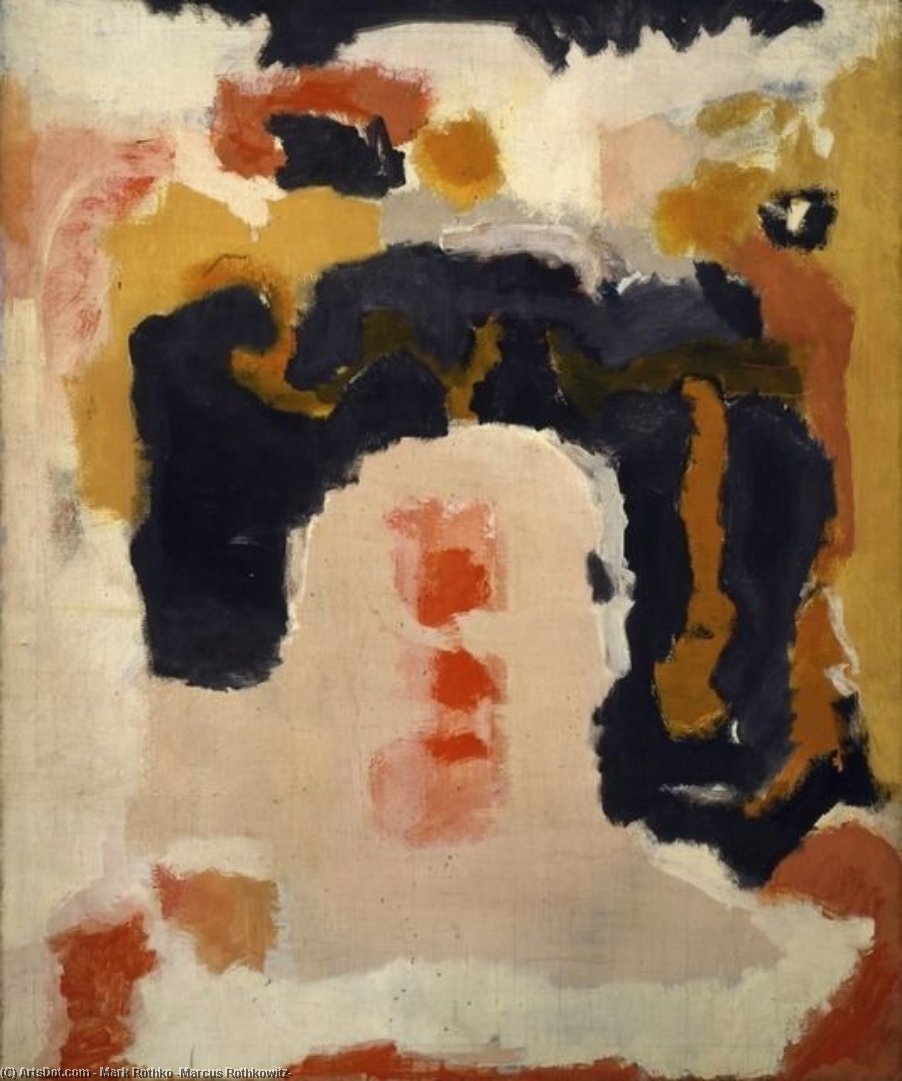
Untitled 21
Reproduction Size
Mark Rothko’s paintings stand as monuments to profound sorrow—a testament to the artist's own personal struggles and an enduring reflection of the human condition. Born Markus Yakovlevich Rothkowitz in Dvinsk, Latvia, in 1903, he navigated a childhood steeped in displacement and loss, experiences that would irrevocably inform his artistic vision.
Early Life and Artistic Roots: Rothko’s formative years were marked by the anxieties of a Jewish family residing within the Pale of Settlement. Pogroms and political instability instilled a deep empathy for suffering—a sensitivity that would become central to his artistic exploration. The 1913 emigration to Portland, Oregon, represented not merely a geographical relocation but a cultural collision for the young Rothko, shaping him as he embraced new ideas and perspectives.
The Rise of Color Field Painting: Rothko emerged as a pivotal figure in the burgeoning Color Field movement of the 1940s and 50s. Rejecting traditional representational art, he championed an approach that prioritized pure color—vast expanses of pigment applied to canvas without discernible imagery. This stylistic choice wasn’t arbitrary; it was deliberately conceived as a vehicle for conveying emotion directly, bypassing intellectual mediation.
Symbolism of Grief and Transcendence: Rothko’s canvases are imbued with potent symbolism. The muted hues—primarily reds, yellows, and blues—are not intended to depict specific objects or scenes but rather to evoke feelings of grief, vulnerability, and spiritual yearning. Critics have interpreted the overlapping rectangles as representing the merging of individual consciousnesses into a unified whole—a visual metaphor for confronting mortality and achieving transcendence.
Emotional Resonance: Viewing Rothko’s paintings is an experience akin to entering a meditative space. The sheer scale of the canvases compels contemplation, inviting viewers to immerse themselves in the artist's emotional landscape. Rather than offering answers or judgments, Rothko’s work prompts introspection—encouraging us to confront our own anxieties about existence and to appreciate the beauty inherent in confronting difficult truths.
Legacy: Rothko’s influence extends far beyond the Color Field movement, shaping generations of artists who followed him. His unwavering commitment to exploring profound emotional themes continues to inspire creativity and provoke dialogue—solidifying his place as one of the most significant figures in 20th-century art.
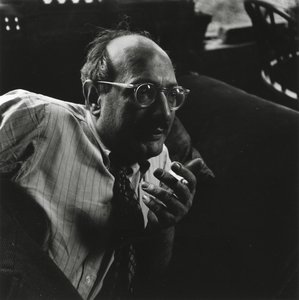
1903 - 1970 , Latvia

Explore the captivating world of Color Field painting! Discover its origins, key artists like Rothko & Newman, philosophical depth, and lasting influence on modern art. Expert insights for collectors.

Explore the profound emotional depth of Mark Rothko's abstract expressionism. Discover the history, techniques & lasting impact of this pivotal Color Field painter. Expert insights for collectors and art enthusiasts.

Explore the captivating world of Beatrice Parsons, a pioneering British abstract expressionist. Discover her journey from garden watercolors to evocative color field paintings and learn about her place within art history.

Explore the life & work of Jacob Kainen, a pivotal figure in American Abstract Expressionism and Color Field painting. Discover his journey from Social Realism to vibrant abstraction and lasting influence on 20th-century art.

Explore the groundbreaking abstract expressionism of Morris Louis, a pioneer of Color Field painting. Discover his innovative techniques, influential series & lasting legacy in post-war American art. Learn more at Most-Famous-Paintings.


Stay updated with the latest art news, exclusive offers, and decoration ideas.
Tell us about your project and our art experts will provide you with 3 personalized art suggestions.
Let Us Curate 3 Options Just for You - Free!


 Buy print
 Send
Send Share
Share
 Details

 Download
 Similars
 X-Ray
X-Ray Diaporama

 Read More







 Glass option is only available in size under 110 CM


