x


 Acrylic On CanvasWallArtNorthern Renaissance
 1523
1523 193.0 x 152.0 cm
 Kunsthalle
Hand-painted oil on canvas in your size and frame, made to order by our artists.





























Pick from our preset sizes that match the artwork's original proportions.

You may enter your own dimensions to fit a specific frame or space. If your selected size does not match the original image's proportions, we will either crop the artwork or extend the painting with additional hand-painted elements. A digital mockup will be sent for your approval before production begins.
Please note that the on-screen preview does not reflect the actual cropping or extension. Only the mockup will accurately show the final composition.
While custom sizes are available, we recommend selecting a dimension from the predefined list to preserve the original proportions.
Worldwide Delivery () in 3/4 weeks instead of standard 5 weeks. (18 July). No compromise on quality.


Carrying the Cross
Reproduction Size
Matthias Grünewald’s “Carrying the Cross,” completed in 1523-24, stands as a monumental achievement of Northern Renaissance art—a visceral depiction of Christ’s agonizing journey to Calvary that transcends mere visual representation. More than just an illustration of biblical scripture, it embodies profound theological contemplation and masterful artistic execution.
The painting is replete with symbolic imagery that speaks to core Christian beliefs. The thorns crowning Jesus's head represent humility and suffering—a deliberate allusion to Isaiah 53:7, which describes Christ as “bruised” and “wounded.” The cross itself symbolizes redemption and divine sacrifice, representing the ultimate act of God’s love for humankind. The figures surrounding Christ are not merely bystanders; they embody various aspects of human compassion and sorrow – reflecting the universal experience of grief associated with death.
"Carrying the Cross" is celebrated for its unparalleled ability to evoke profound emotion. Grünewald’s masterful use of color—particularly muted reds and browns—contributes to the painting's somber atmosphere, mirroring the psychological state of Christ during his ordeal. The artist’s meticulous attention to detail—from the textures of the drapery to the expressions on the faces of the figures—creates a powerfully immersive experience for the viewer. It remains an enduring testament to Grünewald’s artistic genius and its profound spiritual significance.
This painting continues to inspire awe and contemplation, serving as a poignant reminder of humanity’s capacity for compassion and faith.

Matthias Grünewald, born Mathis Gothart Neithardt around 1470-1475 in Würzburg, Germany, was a pivotal figure of the German Renaissance. Despite living during a period increasingly influenced by Italian Renaissance ideals, Grünewald remained deeply rooted in the artistic traditions of late medieval Central Europe. Details about his early life are scarce, but it’s known he received training as an artist, likely within local workshops.
Grünewald's artistic development was shaped by the prevailing Northern European traditions of realism, emotional intensity, and detailed observation. His work shows influences from artists like Albrecht Dürer and Martin Schongauer, but he forged a unique path characterized by dramatic expression and vivid color. He wasn’t directly involved with the humanist circles prevalent in Italy; instead, his art served primarily religious purposes, reflecting the spiritual anxieties of his time.
Grünewald's style is distinguished by:
Grünewald's work stands as a testament to the enduring power of medieval artistic traditions in Germany during the Renaissance. He bridged the gap between the late Gothic style and the emerging Renaissance, creating a unique visual language that resonated with his contemporaries. His influence can be seen in later German artists who continued to explore themes of religious fervor and emotional intensity. While largely forgotten for centuries after his death in 1528, Grünewald experienced a revival in the 19th century, and today he is recognized as one of the most important painters of the German Renaissance. His art continues to captivate viewers with its raw emotion, technical brilliance, and profound spiritual depth.
Discover more about Matthias Grünewald’s life and works at: Most-Famous-Paintings

1480 - 1528 , Germany
Journey through Alte Pinakothek's 25 most iconic paintings! Explore masterpieces by Dürer, Rembrandt & Rubens. Discover art history, techniques & find museum-quality reproductions for your home at Most-Famous-Paintings.com.
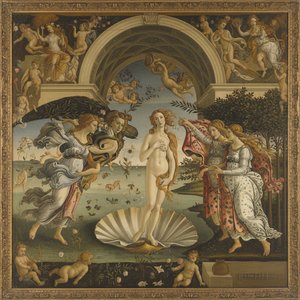
Journey through Botticelli's world with 25 iconic Renaissance paintings. Explore 'Birth of Venus,' 'Primavera,' and more—stories, techniques & timeless beauty. Find museum-quality art reproductions for your home at Most-Famous-Paintings.com.

Explore the profound religious art of Matthias Grünewald, master of the Isenheim Altarpiece. Discover his unique expressionism, symbolism & lasting impact on Renaissance painting. A guide for collectors and enthusiasts.

Journey through the Northern Renaissance! Explore 10 iconic paintings by Jan van Eyck, Dürer & Bosch. Discover their stories, techniques & lasting impact. Find museum-quality art reproductions & elevate your home decor on .
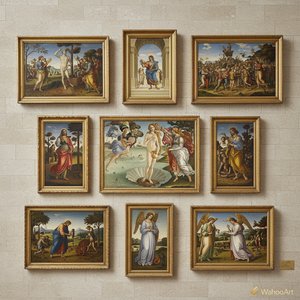
Journey through the Early Renaissance! Explore 10 iconic paintings by Botticelli, Leonardo da Vinci & Michelangelo. Discover their stories, techniques & lasting impact. Find museum-quality art reproductions and elevate your home decor with .


Stay updated with the latest art news, exclusive offers, and decoration ideas.
Tell us about your project and our art experts will provide you with 3 personalized art suggestions.
Let Us Curate 3 Options Just for You - Free!


 Buy print
 Send
Send Share
Share
 Details

 Download
 Similars
 X-Ray
X-Ray Diaporama
 Read More







 Glass option is only available in size under 110 CM


![The Passion [detail] — Hans Holbein The Younger](/media/artworks/images/thumbnails/6b/c0/6bc0ded9fdcf4558a901fade68b3a3c5.jpg)