x


 Acrylic On CanvasWallArtExpressionist Painting
 1907
1907 106.0 x 55.0 cm
 Neue Pinakothek
Hand-painted oil on canvas in your size and frame, made to order by our artists.





























Pick from our preset sizes that match the artwork's original proportions.

You may enter your own dimensions to fit a specific frame or space. If your selected size does not match the original image's proportions, we will either crop the artwork or extend the painting with additional hand-painted elements. A digital mockup will be sent for your approval before production begins.
Please note that the on-screen preview does not reflect the actual cropping or extension. Only the mockup will accurately show the final composition.
While custom sizes are available, we recommend selecting a dimension from the predefined list to preserve the original proportions.
Worldwide Delivery () in 3/4 weeks instead of standard 5 weeks. (18 July). No compromise on quality.


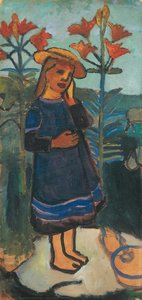
Children with goldfish bowl
Reproduction Size
Paula Modersohn-Becker's "Children with Goldfish Bowl," painted in 1907, is not merely a snapshot of a domestic scene; it’s a poignant meditation on childhood, femininity, and the quiet beauty of everyday life. Created during a pivotal period in her tragically short career, this work embodies the burgeoning Expressionist movement's focus on subjective experience and emotional resonance. The painting immediately draws the viewer into a warmly lit interior, dominated by a young girl seated before a simple wooden table. Her posture is relaxed, almost languid, as she holds a plate laden with fruit – a modest offering of nourishment and abundance. The central element, however, is undeniably the goldfish bowl, its vibrant inhabitants shimmering in the light, acting as a focal point that simultaneously suggests both innocence and a touch of melancholy.
“Children with Goldfish Bowl” firmly places Modersohn-Becker within the context of early German Expressionism, a movement characterized by its rejection of academic realism and its exploration of intense emotions and psychological states. Unlike the grand narratives often depicted in art at the time, this painting offers an intimate glimpse into the private world of a family—a world imbued with a sense of vulnerability and quiet dignity. It’s important to note that Modersohn-Becker was largely overlooked during her lifetime, a fact compounded by societal expectations placed upon women artists. Her work, often characterized by its unflinching honesty and exploration of female experience, challenged these conventions and paved the way for future generations of female artists.
Historical Context:Painted in 1907, just months before Modersohn-Becker’s untimely death at age 31, the painting reflects a period of intense artistic experimentation. The rise of Expressionism coincided with broader social and political upheaval—the turn of the century witnessed rapid industrialization, urbanization, and growing anxieties about modernity. Artists sought to capture these turbulent emotions through distorted forms, jarring colors, and emotionally charged imagery.
The symbolism within “Children with Goldfish Bowl” is layered and subtly evocative. The goldfish themselves can be interpreted as symbols of fleeting beauty, innocence, and the ephemeral nature of life. Their vibrant colors contrast with the muted tones of the interior, suggesting a yearning for vitality amidst a sense of quiet resignation. The offering of fruit represents generosity and nurturing—a gesture of care directed towards an unseen recipient. The girl’s relaxed posture and gentle gaze convey a sense of contentment and acceptance, while also hinting at a deeper melancholy. It's a scene that speaks to the bittersweet beauty of childhood and the complexities of domestic life.
Reproductions of “Children with Goldfish Bowl” capture the painting’s remarkable atmosphere and emotional depth. Whether displayed in a private residence or a public gallery, this work continues to resonate with viewers today—a testament to Modersohn-Becker's artistic vision and her enduring legacy. Consider commissioning a hand-painted reproduction from Most-Famous-Paintings.com to bring this captivating scene into your own space – a beautiful reminder of the simple joys and quiet moments that define human experience.


1876 - 1907 , Germany

Explore the powerful world of Expressionist portraiture with Most-Famous-Paintings. Discover how artists captured raw emotion & identity through bold color and distortion. Expert insights for collectors.

Delve into the haunting world of Egon Schiele with our curated selection of his 25 most iconic Expressionist paintings. Explore the artist's life, technique & emotional depth. Find museum-quality Schiele reproductions and elevate your home decor on Most-Famous-Paintings.com.

Explore the groundbreaking work of Paula Modersohn-Becker, a pioneer of Expressionism. Discover her intimate self-portraits & poignant depictions of motherhood – shaping early 20th-century art with emotional depth and innovation.

Explore the groundbreaking abstract expressionism of Morris Louis, a pioneer of Color Field painting. Discover his innovative techniques, influential series & lasting legacy in post-war American art. Learn more at Most-Famous-Paintings.
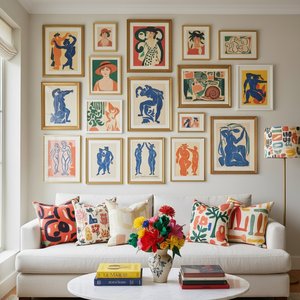
Journey through Henri Matisse's 25 most iconic paintings! Explore Fauvism, vibrant colors & the stories behind masterpieces like 'The Dance'. Find museum-quality art reproductions and curated decor ideas to elevate your space. Discover all masterpieces on Most-Famous-Paintings.com.


Stay updated with the latest art news, exclusive offers, and decoration ideas.
Tell us about your project and our art experts will provide you with 3 personalized art suggestions.
Let Us Curate 3 Options Just for You - Free!


 Buy print
 Send
Send Share
Share
 Details

 Download
 Similars
 X-Ray
X-Ray Diaporama
 Read More







 Glass option is only available in size under 110 CM