x


 Oil On CanvasWallArtBaroque
 1644Early Modern
 74.0 x 54.0 cm
 Ferens Art Gallery
Hand-painted oil on canvas in your size and frame, made to order by our artists.





























Pick from our preset sizes that match the artwork's original proportions.

You may enter your own dimensions to fit a specific frame or space. If your selected size does not match the original image's proportions, we will either crop the artwork or extend the painting with additional hand-painted elements. A digital mockup will be sent for your approval before production begins.
Please note that the on-screen preview does not reflect the actual cropping or extension. Only the mockup will accurately show the final composition.
While custom sizes are available, we recommend selecting a dimension from the predefined list to preserve the original proportions.
Worldwide Delivery () in 3/4 weeks instead of standard 5 weeks. (18 July). No compromise on quality.


Annunciation
Reproduction Size
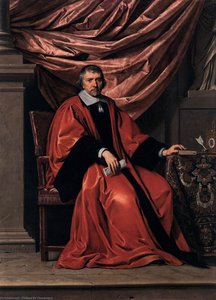
To stand before an image like Philippe de Champaigne’s Annunciation is to step across the threshold of time and into a moment suspended by divine grace. Painted in 1644, this oil on canvas masterpiece transcends mere depiction; it captures the very breath of revelation. The scene unfolds with breathtaking clarity: two celestial figures—angels—presenting sacred tidings to a woman, all bathed in an ethereal light that seems to emanate from the narrative itself. It is a composition steeped in the profound spirituality of the Counter-Reformation era, yet rendered with a dramatic naturalism that speaks directly to the modern sensibility.
What immediately arrests the viewer’s gaze is the masterful handling of light. De Champaigne is a quintessential exponent of the Baroque style, utilizing chiaroscuro not merely as a technique, but as a narrative tool. The contrast between the deep, enveloping shadows of the room and the brilliant shafts of natural light pouring in from an unseen window creates palpable drama. This dramatic illumination serves to spotlight the central figures—the woman receiving the message and the angels delivering it—elevating them from mere subjects to vessels of divine importance. Observe how the composition balances these elements: the flanking angels, the gentle curve of the woman’s posture, and the playful flurry of cherubs overhead all work in concert around a quiet, pivotal moment.
The symbolism within this Annunciation is rich and layered, inviting contemplation. The message itself—the announcement of an incarnation—is the core mystery, yet it is surrounded by visual metaphors that deepen its meaning. The presence of cherubs suggests the heavenly chorus witnessing this pivotal event, while the setting, though intimate, feels vast with spiritual implication. Every element, from the visible chair in the foreground to the careful arrangement of drapery, contributes to a sense of sacred order and profound significance. It is an artwork that asks us not just to look, but to feel the weight of divine communication.
For those who seek art that does more than merely decorate, this reproduction offers a connection to history’s grand narratives. The dimensions of 74 x 54 cm allow it to command attention without overwhelming a room, making it an ideal focal point in a formal drawing-room or a thoughtfully curated gallery space. Owning a piece inspired by De Champaigne's skill means bringing home not just paint on canvas, but the palpable drama and intellectual depth of 17th-century European mastery. It is an heirloom quality piece that speaks eloquently of devotion, artistry, and enduring beauty.


1602 - 1674 , Netherlands
Delve into the world of Francisco Goya with Most-Famous-Paintings. Explore 25 iconic paintings – from 'The Third of May' to his haunting Black Paintings. Discover the stories, techniques & emotions behind these Spanish masterpieces. Find museum-quality art reproductions for your home at Most-Famous-Paintings.com!

Journey through 25 iconic artworks at the Metropolitan Museum of Art! Explore Van Gogh, Monet, Rembrandt & more. Discover art history, inspiring stories, and museum-quality reproductions to elevate your home decor. Explore the full collection on Most-Famous-Paintings.com.

APS ofrece reproducciones de bellas artes y encargos personalizados desde 2004. Confían en nosotros corporaciones, hoteles y coleccionistas selectos para obras de arte de calidad museística, servicio discreto y soluciones artísticas completas. ¡Póngase en contacto con nosotros para obtener un presupuesto personalizado!
Journey through Henri Matisse's 25 most iconic paintings! Explore Fauvism, vibrant colors & the stories behind masterpieces like 'The Dance'. Find museum-quality art reproductions and curated decor ideas to elevate your space. Discover all masterpieces on Most-Famous-Paintings.com.
Journey through 25 iconic James Abbott McNeill Whistler paintings! Explore his masterpieces of Aestheticism, from 'Nocturne in Black and Gold' to captivating portraits. Find museum-quality art reproductions & elevate your home decor with Most-Famous-Paintings.com. Discover the full collection online.


Stay updated with the latest art news, exclusive offers, and decoration ideas.
Tell us about your project and our art experts will provide you with 3 personalized art suggestions.
Let Us Curate 3 Options Just for You - Free!


 Buy print
 Send
Send Share
Share
 Details

 Download
 Similars
 X-Ray
X-Ray Diaporama
 Read More







 Glass option is only available in size under 110 CM