x


Hand-painted oil on canvas in your size and frame, made to order by our artists.





























Pick from our preset sizes that match the artwork's original proportions.

You may enter your own dimensions to fit a specific frame or space. If your selected size does not match the original image's proportions, we will either crop the artwork or extend the painting with additional hand-painted elements. A digital mockup will be sent for your approval before production begins.
Please note that the on-screen preview does not reflect the actual cropping or extension. Only the mockup will accurately show the final composition.
While custom sizes are available, we recommend selecting a dimension from the predefined list to preserve the original proportions.
Worldwide Delivery () in 3/4 weeks instead of standard 5 weeks. (18 July). No compromise on quality.


Portrait of a Little Girl
Reproduction Size
Pierre-Auguste Renoir's "Portrait of a Little Girl," painted in 1880, isn’t merely a depiction of a young child; it’s an exquisite distillation of youthful charm and the fleeting beauty of innocence. This oil painting, brimming with the vibrant hues characteristic of the Impressionist movement, invites us into a world of gentle curiosity and quiet contemplation. More than just a likeness, Renoir captures a spirit—a sense of wonder and directness that resonates deeply within the viewer.
The subject herself is captivating: a young girl with a cascade of striking red hair, framed against a backdrop of lush, verdant grass. Her gaze, fixed directly on the observer, possesses an undeniable allure – a mixture of innocent questioning and playful engagement. The simplicity of her attire—a blue dress adorned with a delicate white collar—further emphasizes her vulnerability and purity. Renoir’s masterful use of color is immediately apparent; the blues and greens of the background provide a harmonious contrast to the girl's fiery hair, drawing our attention to her captivating presence.
Renoir was renowned for his innovative approach to light and color, techniques he honed during his time with Monet and other Impressionist pioneers. In "Portrait of a Little Girl," this is vividly demonstrated through his application of broken brushstrokes and the layering of translucent glazes. He doesn’t aim for photographic realism but rather seeks to capture the *impression* of light—the way it shimmers on skin, dances across fabric, and transforms the landscape. The painting's luminosity isn’t achieved through a single, bold stroke; instead, it emerges from countless subtle variations in tone and hue.
Notably, Renoir employs a technique reminiscent of *chiaroscuro*, though applied with an Impressionistic lightness. He skillfully contrasts areas of bright illumination with deeper shadows, creating volume and depth within the composition. This isn’t a stark contrast, however; rather, it's a delicate interplay that softens the forms and imbues the scene with a sense of warmth and intimacy. The brushwork itself is loose and expressive, contributing to the painting’s overall feeling of spontaneity and immediacy.
"Portrait of a Little Girl" was created during a period of profound artistic transformation in France – the late 19th century. The Impressionist movement, with its rejection of academic conventions and embrace of fleeting moments, was challenging established norms within the art world. Renoir, alongside artists like Berthe Morisot and Vincent van Gogh (though their styles differed significantly), played a crucial role in pushing these boundaries. This painting reflects not only the individual artist’s vision but also the broader cultural shifts occurring at the time – a growing interest in depicting everyday life and capturing the subjective experience of perception.
The subject matter itself—a portrait of a child—was relatively uncommon for artists of that era, who typically focused on grand historical scenes or idealized depictions of beauty. Renoir’s choice to portray a young girl offers a refreshing glimpse into childhood innocence and a poignant reminder of the ephemeral nature of youth. The painting's influence can be seen in subsequent artistic movements, including Fauvism and Expressionism, which similarly prioritized emotional expression and subjective experience over strict representation.
“Portrait of a Little Girl” remains a powerful testament to Renoir’s genius. It's more than just a pretty picture; it’s an invitation to connect with the universal themes of childhood, beauty, and innocence. The painting’s enduring appeal lies in its ability to evoke a sense of nostalgia and wonder—a reminder of simpler times and the unadulterated joy of youth. As a reproduction from Most-Famous-Paintings.com, you can bring this exquisite artwork into your home or office, allowing its captivating charm to brighten your space and inspire contemplation.
For further exploration of Pierre-Auguste Renoir’s life and work, we encourage you to visit Pierre-Auguste Renoir: Woman's Head (9). You may also find valuable insights in the broader history of painting at The History of Painting, and a deeper understanding of light’s role in art through resources like Light in Painting. Finally, exploring the roots of modernism at Modernism will provide context for Renoir’s place within art history.

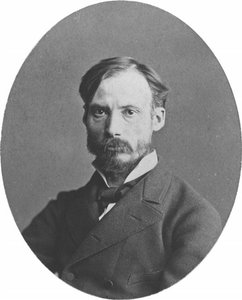
1841 - 1919 , France

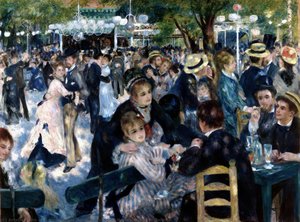
Explore 25 iconic Pierre-Auguste Renoir paintings! Discover the stories behind Impressionist masterpieces like 'Dance at Le Moulin de la Galette' & 'Luncheon of the Boating Party'. Find museum-quality art reproductions and elevate your home decor with Most-Famous-Paintings.com.

Explore 10 iconic portrait paintings – from Mona Lisa to Van Gogh’s self-portraits. Discover the stories behind these masterpieces, artistic techniques & find museum-quality art reproductions for your home at Most-Famous-Paintings.com.

Journey through Impressionism's finest! Explore 10 masterpieces by Monet, Degas & Renoir – discover their stories, techniques & lasting impact. Find museum-quality art reproductions for your home at Most-Famous-Paintings.com. Explore the full collection online.

Journey through 25 iconic artworks at the Detroit Institute of Arts! Explore Van Gogh, Monet, Rembrandt & more. Discover art history, stunning techniques & find museum-quality reproductions to elevate your home decor on Most-Famous-Paintings.com.

Journey through Impressionism's golden age! Explore 10 masterpieces by Monet, Renoir & Degas that redefined art. Discover the stories behind these iconic paintings and find museum-quality reproductions to elevate your home decor on Most-Famous-Paintings.com.


Stay updated with the latest art news, exclusive offers, and decoration ideas.
Tell us about your project and our art experts will provide you with 3 personalized art suggestions.
Let Us Curate 3 Options Just for You - Free!


 Buy print
 Send
Send Share
Share
 Details

 Download
 Similars
 X-Ray
X-Ray Diaporama

 Read More







 Glass option is only available in size under 110 CM