


x

 Acrylic On CanvasWallArtRealism
 1895
1895 40.0 x 31.0 cm
Purchase a high-resolution, enhanced digital image, far superior to the online preview.
Each file is meticulously prepared by our in-house specialists using advanced tools and expert manual retouching. We ensure every image has exceptional clarity, precise color accuracy, and fine detail.
The final file is delivered via email within 72 hours, optimized for immediate use in professional, editorial, and print environments. This is the same quality trusted by top-tier design studios, publishers, and galleries.
Download a high-resolution file for personal display, printing, and creative projects. ( Buy Print Buy Hand Made Painting)
When you choose Most-Famous-Paintings.com, you're not just getting an image - you're receiving a professionally enhanced digital artwork, crafted with precision and backed by a satisfaction guarantee. Here's everything that comes with your order, automatically:

Your high-resolution digital image file will be emailed to you within 72 hours of ordering - ready for immediate use.

Your artwork is professionally optimized using advanced AI tools and manual editing, ensuring maximum detail, clarity, and color accuracy.

Accidentally deleted or lost your file? No worries - we'll resend it to you anytime, free of charge.

Enjoy your artwork instantly with zero customs, duties, or delivery fees - digital downloads are always tax-free.

We ensure your digital image reflects the original colors as closely as possible using professional tools and color management.

If you're not satisfied with your digital image, we'll revise it or refund 100% within 60 days - no questions asked.

Not satisfied? Get a full refund within 60 days of receiving your digital file - no questions asked.

Buy 3 images, save 10% - Buy 5, save 15% - Buy 10+, save 20%. Great for creative projects, galleries, and agencies.
Pierre-Auguste Renoir's “The Path,” painted in 1895, stands as a quintessential embodiment of Impressionism—a movement dedicated to capturing fleeting moments of beauty and emotion through light and color. Measuring 40 x 31 cm, this oil on canvas piece resides firmly within the Realism style, despite its luminous palette and airy atmosphere. It’s more than just a picturesque landscape; it's an invitation into a realm of serene contemplation.
At first glance, “The Path” presents a deceptively simple composition: a verdant field dominates the canvas, punctuated by mature trees that reach upwards towards a sky ablaze with hues of azure and pearl. Renoir skillfully employs light—a cornerstone of Impressionist technique—to illuminate the scene. As detailed in scholarly articles examining Light in Painting, artists like Renoir meticulously observe how sunlight transforms surfaces, influencing color perception and creating textural nuances. The dappled sunlight filtering through the foliage lends an ethereal quality to the landscape, fostering a palpable sense of warmth and tranquility.
However, “The Path” distinguishes itself from purely representational landscapes by incorporating two figures—a man and a woman—who stroll along the path. Their placement isn't accidental; it serves to underscore the harmonious relationship between humanity and nature. These individuals aren’t merely incidental additions; they are active participants in the scene, suggesting an awareness of beauty and inviting viewers to consider their own connection with the natural world. This subtle human element elevates the painting beyond mere visual spectacle.
The influence of fellow artists like John Constable—whose “A Wooded Path” similarly explores the grandeur of rural landscapes—and Cornelis Hendrickszoon Vroom—creator of “Forest Road with Two Horse-Drawn Carts”—can be discerned in Renoir’s approach. Like these masters, Renoir prioritizes capturing the essence of a particular moment in time, prioritizing emotional resonance over precise detail. These comparative works highlight the shared ambition to portray natural beauty while subtly conveying human experience.
"The Path" speaks volumes about Renoir’s artistic philosophy—a belief that art should evoke feelings rather than simply documenting reality. The tranquil setting, combined with the presence of figures engaged in quiet activity, fosters a mood of serenity and invites viewers to savor the beauty of the natural world. It's a painting designed not just to be seen but to be felt, cementing Renoir’s legacy as one of Impressionism’s foremost luminaries.

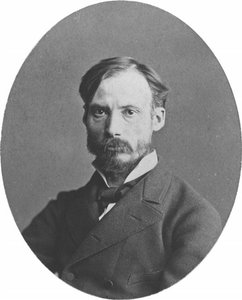
1841 - 1919 , France


Stay updated with the latest art news, exclusive offers, and decoration ideas.
Tell us about your project and our art experts will provide you with 3 personalized art suggestions.
Let Us Curate 3 Options Just for You - Free!


 Preview
 Send
Send Share
Share
 Details

 Download
 Similars
 X-Ray
X-Ray Diaporama
 Read More


