


x

 Acrylic On CanvasWallArtPost-Impressionism
 191419th Century
 46.0 x 37.0 cm
Hand-painted oil on canvas in your size and frame, made to order by our artists. ( Buy Print Buy Image)





























Pick from our preset sizes that match the artwork's original proportions.

You may enter your own dimensions to fit a specific frame or space. If your selected size does not match the original image's proportions, we will either crop the artwork or extend the painting with additional hand-painted elements. A digital mockup will be sent for your approval before production begins.
Please note that the on-screen preview does not reflect the actual cropping or extension. Only the mockup will accurately show the final composition.
While custom sizes are available, we recommend selecting a dimension from the predefined list to preserve the original proportions.
Worldwide Delivery () in 3/4 weeks instead of standard 5 weeks. (20 August). No compromise on quality.


Fruit Bowl
Reproduction Size
Pierre Bonnard's Fruit Bowl, painted in 1914, offers a poignant glimpse into the artist’s evolving approach to depicting domestic scenes. Measuring 46 x 37 cm, this intimate composition transcends a simple representation of fruit; it is a carefully constructed meditation on light, color, and the quiet beauty of everyday objects. Executed with Bonnard's signature meticulous brushwork and his masterful manipulation of tonal values, the painting speaks to a period of profound artistic experimentation within the Nabis group, of which he was a key member.
Bonnard's association with the Nabis – “The Prophets” – profoundly shaped his artistic vision. This group sought to create religious art through the use of color, drawing inspiration from Spanish mysticism and the works of William Morris. Fruit Bowl reflects this influence in its deliberate avoidance of academic realism. Instead of striving for photographic accuracy, Bonnard prioritized conveying atmosphere and emotion through a vibrant, almost hallucinatory palette. The dominant hues – rich oranges, deep reds, and muted greens – are not merely descriptive; they are imbued with symbolic weight, reflecting the Nabis’s interest in exploring spiritual themes through color.
The composition of Fruit Bowl is deceptively simple yet remarkably effective. Bonnard’s close-up perspective forces the viewer to confront the individual elements—the oranges, apples, and banana—with a heightened sense of detail. His brushstrokes are visible, adding a textural quality that enhances the painting's tactile appeal. The arrangement of the fruit itself is not random; it suggests a carefully considered balance, reflecting Bonnard’s meticulous observation skills honed during his early work in caricature.
Painted in 1914, just months before the outbreak of World War I, Fruit Bowl offers a poignant reflection on a world on the brink of upheaval. The painting’s serene subject matter – a commonplace scene transformed into something extraordinary through Bonnard's artistic vision – can be interpreted as a quiet resistance to the impending chaos. The work embodies Bonnard’s ability to find beauty and meaning in the ordinary, a characteristic that resonates deeply with viewers today. It evokes a sense of nostalgia for a simpler time, inviting contemplation on themes of domesticity, memory, and the fleeting nature of beauty.
Most-Famous-Paintings offers meticulously crafted hand-painted reproductions of Pierre Bonnard’s Fruit Bowl, ensuring that you can experience the full impact of this remarkable artwork. Each reproduction is created using traditional techniques and archival materials, guaranteeing its longevity and preserving the original painting's vibrant colors and exquisite detail. Whether for your home or office, a Most-Famous-Paintings reproduction of *Fruit Bowl* will be a timeless addition to any collection.


1867 - 1947 , France

Explore 25 iconic Pierre-Auguste Renoir paintings! Discover the stories behind Impressionist masterpieces like 'Dance at Le Moulin de la Galette' & 'Luncheon of the Boating Party'. Find museum-quality art reproductions and elevate your home decor with Most-Famous-Paintings.com.

Explore the rich history of still life painting & the symbolism of fruit across art movements. Discover masterpieces from Caravaggio to Cézanne with Most-Famous-Paintings – expert guidance & museum-quality reproductions.

Explore the captivating world of Pierre Bonnard, a master of Post-Impressionism and Intimism. Discover his vibrant use of color, intimate scenes & lasting legacy with Most-Famous-Paintings.

Explore the profound beauty of fruit arrangement masterpieces. From Dutch Golden Age opulence to Baroque chiaroscuro, discover the art history, symbolism, and timeless elegance of classical still life paintings for the discerning collector.
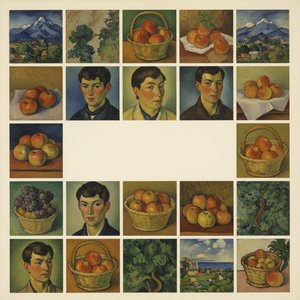
Journey through 25 iconic artworks by Paul Cézanne – a master of Impressionism and Post-Impressionism. Explore his landscapes, still lifes, and the stories behind these timeless masterpieces. Discover museum-quality reproductions & curated decor at Most-Famous-Paintings.com.


Stay updated with the latest art news, exclusive offers, and decoration ideas.
Tell us about your project and our art experts will provide you with 3 personalized art suggestions.
Let Us Curate 3 Options Just for You - Free!


 Preview
 Send
Send Share
Share
 Details

 Download
 Similars
 X-Ray
X-Ray Diaporama
 Read More







 Glass option is only available in size under 110 CM


