x

Hand-painted oil on canvas in your size and frame, made to order by our artists. ( Switch to Print Switch to Image)





























Pick from our preset sizes that match the artwork's original proportions.

You may enter your own dimensions to fit a specific frame or space. If your selected size does not match the original image's proportions, we will either crop the artwork or extend the painting with additional hand-painted elements. A digital mockup will be sent for your approval before production begins.
Please note that the on-screen preview does not reflect the actual cropping or extension. Only the mockup will accurately show the final composition.
While custom sizes are available, we recommend selecting a dimension from the predefined list to preserve the original proportions.
Worldwide Delivery () in 3/4 weeks instead of standard 5 weeks. (6 August). No compromise on quality.


Mrs Benjamin West II with Her Son, Benjamin West III
Reproduction Size
Benjamin West's 1805 painting, "Mrs. Benjamin West II with Her Son, Benjamin West III," is more than a simple family portrait; it’s a carefully constructed tableau of love, lineage, and the burgeoning ideals of Neoclassicism in America. Housed within the walls of the Dulwich Picture Gallery in London, this work offers a rare glimpse into the lives of an influential artist and his immediate circle, revealing a sophisticated understanding of composition, light, and the subtle language of gesture.
The scene unfolds with remarkable clarity: Mrs. Benjamin West II, elegantly posed within a richly draped chair – a deliberate nod to Renaissance depictions of the Madonna – cradles her infant son. The arrangement is meticulously balanced, drawing the eye along a diagonal axis created by the red silk drapery and the baby’s outstretched hand. This dynamic interplay of color and form immediately establishes a sense of movement and vitality within what could easily have been a static portrait. West's masterful use of light – filtering through a window (implied rather than explicitly shown) – casts a warm glow upon the mother and child, highlighting their youthful beauty and fostering an immediate feeling of intimacy.
West’s style is firmly rooted in the Neoclassical tradition, yet he possesses a distinctly American sensibility. He absorbed the lessons of Italian masters like Raphael and Titian during his extended sojourn in Rome, adopting their emphasis on clarity, balance, and idealized forms. However, unlike some of his European contemporaries, West eschewed excessive ornamentation or dramatic theatricality, favoring instead a restrained elegance and a focus on capturing genuine emotion. His brushwork is smooth and polished, creating a sense of depth and luminosity – a hallmark of the Neoclassical style.
The painting’s technical brilliance lies in his ability to render texture with remarkable precision. The delicate folds of the silk drapery, the soft sheen of the baby's skin, and the subtle variations in tone all contribute to an astonishingly realistic portrayal. Furthermore, West demonstrates a keen understanding of anatomy, capturing the youthful vitality of both mother and child with effortless grace. Note particularly how he uses light to define the contours of their bodies, creating a sense of volume and three-dimensionality.
Beyond its aesthetic qualities, “Mrs. Benjamin West II with Her Son” is rich in symbolic meaning. The choice of the chair itself – reminiscent of depictions of the Virgin Mary holding the infant Jesus – immediately establishes a parallel between the mother and child and the sacred iconography of Christian art. The baby’s rattle, held playfully in his hand, adds a touch of innocence and delight, while the lace cap atop his head signifies refinement and social status. The inclusion of two figures in the background—a man standing behind Mrs. West and another further back on the left—suggests a broader family context, hinting at the artist’s own lineage and legacy.
The painting's creation coincided with the birth of Benjamin West III, adding a layer of personal significance to the work. West’s decision to immortalize his grandson within this carefully constructed portrait reflects not only his love for his family but also his desire to secure his place in American art history. The inscription “B. West” on the armrest of the chair serves as a subtle yet powerful reminder of the artist's enduring presence and artistic vision.
“Mrs. Benjamin West II with Her Son, Benjamin West III” offers a captivating glimpse into the world of 18th-century America—a period marked by rapid social change, intellectual ferment, and burgeoning artistic ambition. It’s a testament to Benjamin West's remarkable talent as both a painter and a cultural figure, bridging the gap between European traditions and American identity. Today, this exquisite portrait continues to resonate with viewers, inviting us to contemplate the enduring power of family, love, and artistic legacy.


1738 - 1820 , United States of America

Explore 10 iconic portrait paintings – from Mona Lisa to Van Gogh’s self-portraits. Discover the stories behind these masterpieces, artistic techniques & find museum-quality art reproductions for your home at Most-Famous-Paintings.com.
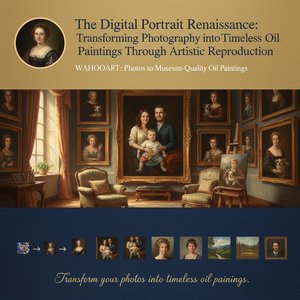
Transform your cherished photos into timeless oil paintings with Most-Famous-Paintings's expert artists. Museum-quality reproductions & custom portraits, crafted to last a lifetime. Discover the art of personal legacy.

Explore the rich history & enduring techniques of oil painting with Most-Famous-Paintings. Discover masterpieces, learn about art collecting, and find authentic handmade reproductions crafted by skilled artists.

Commission a timeless oil portrait with Most-Famous-Paintings.com! Expert artists capture your legacy & emotions in museum-quality paintings. Preserve family history – explore our bespoke services today.
Explore 25 captivating portraits by Sir Joshua Reynolds, a master of British art. Discover stories behind his iconic paintings, elegant style & historical influence. Find museum-quality reproductions and elevate your home decor on Most-Famous-Paintings.com.


Stay updated with the latest art news, exclusive offers, and decoration ideas.
Tell us about your project and our art experts will provide you with 3 personalized art suggestions.
Let Us Curate 3 Options Just for You - Free!


 Preview
 Send
Send Share
Share
 Details

 Download
 Similars
 X-Ray
X-Ray Diaporama


 Read More







 Glass option is only available in size under 110 CM