


x

 Oil On CanvasWallArtPre-Raphaelite Brotherhood
 1851
1851 49.0 x 59.0 cm
 Tate Britain
Hand-painted oil on canvas in your size and frame, made to order by our artists.





























Pick from our preset sizes that match the artwork's original proportions.

You may enter your own dimensions to fit a specific frame or space. If your selected size does not match the original image's proportions, we will either crop the artwork or extend the painting with additional hand-painted elements. A digital mockup will be sent for your approval before production begins.
Please note that the on-screen preview does not reflect the actual cropping or extension. Only the mockup will accurately show the final composition.
While custom sizes are available, we recommend selecting a dimension from the predefined list to preserve the original proportions.
Worldwide Delivery () in 3/4 weeks instead of standard 5 weeks. (18 July). No compromise on quality.


Mariana
Reproduction Size
John Everett Millais’s “Mariana,” painted in 1851, isn't merely a portrait; it’s an exquisitely rendered distillation of Victorian melancholy and the quiet desperation of a woman caught between longing and resignation. The painting immediately draws the viewer into a small, intimate chamber, dominated by a figure draped in a luminous blue gown – a color that simultaneously suggests both serenity and profound sadness. This isn't a scene of dramatic action or vibrant celebration; instead, Millais masterfully captures a moment of suspended animation, a pregnant pause within a life seemingly defined by waiting.
The subject, identified as Mariana from Shakespeare’s “Measure for Measure,” is positioned near a window adorned with stained glass panels depicting the Annunciation. This subtle detail introduces a layer of religious symbolism – the promise of divine grace juxtaposed against the woman's earthly sorrow. Her posture, with one hand resting on her hip and the other supporting a table laden with wine glasses and a vase, speaks volumes about her state of mind: poised between activity and inertia, engagement and detachment. The carefully arranged objects around her—the embroidery hoop, the fallen leaves, the scattered fruit – contribute to a sense of domesticity tinged with decay and loss.
Millais’s technical skill is breathtakingly evident in every brushstroke. He employed the Pre-Raphaelite style—a movement characterized by an obsessive attention to detail, a reverence for nature, and a rejection of academic conventions—to create an image that feels both hyperrealistic and intensely emotional. The embroidery itself is rendered with astonishing precision, each stitch painstakingly depicted, inviting the viewer to contemplate the labor and perhaps the loneliness associated with such meticulous work. The use of light is particularly noteworthy; it’s diffused and soft, bathing the scene in a melancholic glow that enhances the painting's overall mood.
“Mariana” is rich in symbolic meaning, reflecting the anxieties and sensibilities of Victorian society. The woman’s posture—stretching her back, seemingly burdened by an unseen weight—represents the constraints placed upon women during that era. Her gaze towards the window, a space offering both beauty and distance, symbolizes her yearning for something beyond her immediate circumstances. The fallen leaves suggest the passage of time and the inevitability of loss, while the stained-glass windows hint at a spiritual longing that remains unfulfilled.
Furthermore, the reference to Tennyson’s poem adds another layer of interpretation. Mariana's story is one of abandonment and despair, yet Millais transforms this tragic narrative into a poignant meditation on beauty, solitude, and the enduring power of human emotion. The painting isn’t simply about a woman in distress; it’s about the universal experience of longing—a feeling that transcends time and circumstance.
“Mariana” remains one of Millais's most celebrated works, captivating viewers with its haunting beauty and profound emotional resonance. It stands as a testament to the Pre-Raphaelite movement’s commitment to capturing the complexities of human experience—a poignant reminder that even in moments of quiet solitude, the heart can still ache with longing and unfulfilled desires. Reproductions of this masterpiece offer an opportunity to bring its evocative atmosphere into any space, serving as both a work of art and a window into the soul.


1829 - 1896 , United Kingdom

Explore 25 iconic artworks by Dante Gabriel Rossetti, a leading Pre-Raphaelite artist. Discover the stories behind masterpieces like 'Proserpine' & 'Beata Beatrix'. Find museum-quality art reproductions and elevate your home decor with Most-Famous-Paintings.com.

Explore the revolutionary art of Sir John Everett Millais & the Pre-Raphaelite Brotherhood. Discover their radical realism, symbolic narratives, and lasting impact on Victorian aesthetics. A deep dive into 19th-century masterpieces.

Journey through 25 iconic Claude Monet masterpieces! Explore Impressionism’s beauty, from Water Lilies to Rouen Cathedral. Discover stunning art reproductions & curated decor ideas – explore the full collection online at Most-Famous-Paintings.com.

Explore the captivating world of Edmund Blair Leighton, Victorian master of romantic narrative painting. Discover his iconic works & Pre-Raphaelite influences at Most-Famous-Paintings.
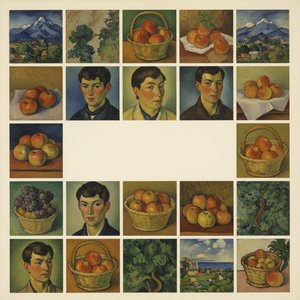
Journey through 25 iconic artworks by Paul Cézanne – a master of Impressionism and Post-Impressionism. Explore his landscapes, still lifes, and the stories behind these timeless masterpieces. Discover museum-quality reproductions & curated decor at Most-Famous-Paintings.com.


Stay updated with the latest art news, exclusive offers, and decoration ideas.
Tell us about your project and our art experts will provide you with 3 personalized art suggestions.
Let Us Curate 3 Options Just for You - Free!


 Buy print
 Send
Send Share
Share
 Details

 Download
 Similars
 X-Ray
X-Ray Diaporama
 Read More







 Glass option is only available in size under 110 CM


