


x


Purchase a high-resolution, enhanced digital image, far superior to the online preview.
Each file is meticulously prepared by our in-house specialists using advanced tools and expert manual retouching. We ensure every image has exceptional clarity, precise color accuracy, and fine detail.
The final file is delivered via email within 72 hours, optimized for immediate use in professional, editorial, and print environments. This is the same quality trusted by top-tier design studios, publishers, and galleries.
Download a high-resolution file for personal display, printing, and creative projects. ( Switch to Print Switch to hand made Painting)
When you choose Most-Famous-Paintings.com, you're not just getting an image - you're receiving a professionally enhanced digital artwork, crafted with precision and backed by a satisfaction guarantee. Here's everything that comes with your order, automatically:

Your high-resolution digital image file will be emailed to you within 72 hours of ordering - ready for immediate use.

Your artwork is professionally optimized using advanced AI tools and manual editing, ensuring maximum detail, clarity, and color accuracy.

Accidentally deleted or lost your file? No worries - we'll resend it to you anytime, free of charge.

Enjoy your artwork instantly with zero customs, duties, or delivery fees - digital downloads are always tax-free.

We ensure your digital image reflects the original colors as closely as possible using professional tools and color management.

If you're not satisfied with your digital image, we'll revise it or refund 100% within 60 days - no questions asked.

Not satisfied? Get a full refund within 60 days of receiving your digital file - no questions asked.

Buy 3 images, save 10% - Buy 5, save 15% - Buy 10+, save 20%. Great for creative projects, galleries, and agencies.
William Hogarth, born in London in 1697, stands as a pivotal figure in English art history—a painter who simultaneously championed realism and satiric critique. His oeuvre transcends mere visual representation; it's a meticulously crafted chronicle of the social landscape of his era, capturing both its grandeur and its hypocrisy with unflinching honesty.
Frances Arnold exemplifies Hogarth’s distinctive approach to portraiture during the Rococo period. Unlike the opulent embellishments favored by aristocratic patrons, Hogarth eschews excessive ornamentation, opting instead for a restrained palette dominated by soft pastel hues—primarily yellows and creams—that imbue the scene with an atmosphere of warmth and tranquility. This deliberate choice underscores Hogarth’s humanist sensibility, prioritizing psychological insight over superficial grandeur.
Beyond its aesthetic qualities, Frances Arnold speaks volumes about the social milieu of Hogarth’s time. The inclusion of musical instruments—a lute and a harp—and books symbolizes Arnold’s education and intellectual pursuits, aligning with Hogarth's fascination in portraying individuals from diverse backgrounds and demonstrating an understanding of societal values.
The painting’s impact extends beyond its depiction of a single woman; it serves as a microcosm of Rococo ideals – beauty, refinement, and moral contemplation. It invites viewers to consider the complexities of human character and the role of art in shaping perceptions of social status.
Hogarth’s masterful execution is achieved through meticulous oil painting techniques. He skillfully blended pigments to create subtle gradations of color, capturing the nuances of light and shadow with remarkable accuracy. The layering process ensured that each brushstroke contributed to a textured surface that conveyed both visual richness and tactile depth.
Frances Arnold is firmly rooted in the Rococo movement—a stylistic reaction against the formality of Baroque art—which flourished in Britain during the reign of Queen Anne (1702-1714). The Rococo aesthetic prioritized lightness, grace, and decorative embellishment, reflecting a shift towards aristocratic leisure and artistic patronage. Hogarth’s work stands apart from its contemporaries by grounding itself in observable reality.
The painting's visual elements—the woman’s attire, her serene demeanor, and the surrounding objects—are laden with symbolic significance. They embody Rococo ideals of beauty and virtue, representing Arnold as an exemplar of feminine grace and intellectual refinement.
Ultimately, Frances Arnold transcends mere portraiture; it evokes a feeling of quiet contemplation—a subtle invitation to appreciate the beauty of human experience. Hogarth’s ability to convey emotion through visual means underscores his enduring legacy as one of England's most perceptive and influential artists.

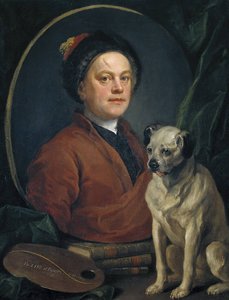
1697 - 1764 , United Kingdom


Stay updated with the latest art news, exclusive offers, and decoration ideas.
Tell us about your project and our art experts will provide you with 3 personalized art suggestions.
Let Us Curate 3 Options Just for You - Free!


 Preview
 Send
Send Share
Share
 Details

 Download
 Similars
 X-Ray
X-Ray Diaporama
 Read More


