


x

Purchase a high-resolution, enhanced digital image, far superior to the online preview.
Each file is meticulously prepared by our in-house specialists using advanced tools and expert manual retouching. We ensure every image has exceptional clarity, precise color accuracy, and fine detail.
The final file is delivered via email within 72 hours, optimized for immediate use in professional, editorial, and print environments. This is the same quality trusted by top-tier design studios, publishers, and galleries.
Download a high-resolution file for personal display, printing, and creative projects. ( Buy Print Buy Hand Made Painting)
When you choose Most-Famous-Paintings.com, you're not just getting an image - you're receiving a professionally enhanced digital artwork, crafted with precision and backed by a satisfaction guarantee. Here's everything that comes with your order, automatically:

Your high-resolution digital image file will be emailed to you within 72 hours of ordering - ready for immediate use.

Your artwork is professionally optimized using advanced AI tools and manual editing, ensuring maximum detail, clarity, and color accuracy.

Accidentally deleted or lost your file? No worries - we'll resend it to you anytime, free of charge.

Enjoy your artwork instantly with zero customs, duties, or delivery fees - digital downloads are always tax-free.

We ensure your digital image reflects the original colors as closely as possible using professional tools and color management.

If you're not satisfied with your digital image, we'll revise it or refund 100% within 60 days - no questions asked.

Not satisfied? Get a full refund within 60 days of receiving your digital file - no questions asked.

Buy 3 images, save 10% - Buy 5, save 15% - Buy 10+, save 20%. Great for creative projects, galleries, and agencies.
William Hogarth's *Hudibras*, specifically the frontispiece and related engravings from Samuel Butler’s satirical poem, offers far more than a simple illustration; it’s a meticulously crafted social commentary frozen in ink and paper. Created between 1725 and 1726, this series of prints wasn’t merely intended as book illustrations but rather as a potent critique of the religious and political landscape of England during the Restoration period. Hogarth, a keen observer of human nature and a master of capturing fleeting moments, used his artistic skill to expose hypocrisy, vanity, and the pervasive moral failings he perceived within society – all through the lens of this enduring literary work.
The frontispiece itself is an arresting allegory, immediately establishing the central themes. A youthful putto, representing ‘Mr Butler’s Genius,’ diligently carves a marble frieze depicting key figures from the poem: Hudibras and Ralpho, embodying rebellion and folly; alongside Rebellion, Hypocrisy, and Ignorance – the very vices that Hogarth sought to expose. The composition is dynamic, almost theatrical, with the satyr driving a chariot through a fantastical landscape, suggesting the chaotic journey of satire itself. The inclusion of Britannia, gazing at her own reflection in a shield, subtly connects the poem’s critique to the nation as a whole, implying that England was equally afflicted by these moral shortcomings.
Hogarth's mastery lies not just in his subject matter but also in his technical execution. Executed primarily with pen and ink, often combined with pencil and wash, the engravings demonstrate a remarkable command of line. Sharp, precise lines delineate figures and objects, creating a sense of clarity and immediacy. Cross-hatching—a technique involving layering intersecting lines to create tonal variations—is skillfully employed to suggest shading and texture, particularly in the depiction of clothing and horse coats. The use of stippling – tiny dots used to build up tone – adds further depth and realism. This meticulous attention to detail is characteristic of Hogarth’s style, reflecting his commitment to capturing both the visual appearance and psychological state of his subjects.
The preparatory drawing reveals a fascinating glimpse into Hogarth's working process. The initial sketch, overlaid onto the final print, demonstrates how he carefully planned each element before committing it to paper. The subtle adjustments made during the engraving process—such as extending the spear tip on Britannia’s shield—highlight his dedication to achieving visual harmony and conveying his intended message.
*Hudibras* is a deeply layered work, brimming with symbolism that reflects the anxieties of its time. The poem itself satirizes the Puritan movement, exposing the hypocrisy and fanaticism of those who sought to impose religious uniformity upon England. Hogarth’s engravings amplify this critique by portraying the characters as caricatures of vice and folly. Hudibras, a perpetually unlucky and self-righteous antagonist, embodies the dangers of rigid dogma, while Ralpho represents the allure of superficiality and indulgence. The inclusion of figures like the drunken soldier and the debauched courtier underscores Hogarth’s belief that England was rotting from within.
Beyond its immediate critique of religious extremism, *Hudibras* also offers a broader commentary on social class and morality. The juxtaposition of wealthy gentlemen on horseback with humble peasants selling their wares highlights the vast inequalities of 18th-century society. Hogarth’s depiction of London—a bustling metropolis teeming with both opportunity and corruption—reflects the complex realities of urban life during this period.
William Hogarth's *Hudibras* remains a powerful testament to his artistic genius and social acuity. More than just a series of engravings, it’s a vibrant snapshot of 18th-century England—a world grappling with religious upheaval, political instability, and profound moral dilemmas. Reproductions of this iconic artwork offer a unique opportunity to engage with Hogarth's sharp wit, technical skill, and enduring legacy as one of the most important artists in British history. Its continued relevance lies in its ability to provoke reflection on timeless themes of hypocrisy, social justice, and the complexities of human nature.

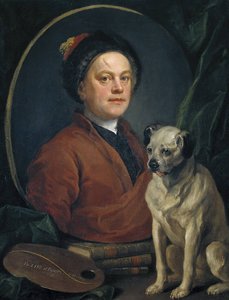
1697 - 1764 , United Kingdom


Stay updated with the latest art news, exclusive offers, and decoration ideas.
Tell us about your project and our art experts will provide you with 3 personalized art suggestions.
Let Us Curate 3 Options Just for You - Free!


 Preview
 Send
Send Share
Share
 Details

 Download
 Similars
 X-Ray
X-Ray Diaporama
 Read More


