


x


 Acrylic On CanvasWallArt18th-Century Portraiture
 1745
1745 90.0 x 70.0 cm
Hand-painted oil on canvas in your size and frame, made to order by our artists.





























Pick from our preset sizes that match the artwork's original proportions.

You may enter your own dimensions to fit a specific frame or space. If your selected size does not match the original image's proportions, we will either crop the artwork or extend the painting with additional hand-painted elements. A digital mockup will be sent for your approval before production begins.
Please note that the on-screen preview does not reflect the actual cropping or extension. Only the mockup will accurately show the final composition.
While custom sizes are available, we recommend selecting a dimension from the predefined list to preserve the original proportions.
Worldwide Delivery () in 3/4 weeks instead of standard 5 weeks. (18 July). No compromise on quality.


Self portrait
Reproduction Size
William Hogarth’s 1745 self-portrait isn’t merely a likeness; it’s a meticulously crafted window into the mind of one of England’s most astute and satirical observers. Painted during a period of profound social and artistic transformation, this work transcends the conventional portraiture of its time, offering a rare and intimate glimpse into the life and sensibility of the artist himself. The painting immediately draws the eye with Hogarth's direct gaze – a shrewd, almost challenging look that speaks volumes about his intellectual curiosity and unwavering commitment to documenting the realities of London society.

The scene is deceptively simple, yet brimming with carefully orchestrated details. Hogarth, clad in a vibrant red coat – a bold choice that immediately commands attention – sits amidst a clutter of books and artistic paraphernalia: a palette smeared with paint, scattered sketches, and open volumes hinting at his scholarly pursuits. Beside him rests a loyal pug dog, Trump, a constant companion depicted with an air of quiet contemplation, mirroring perhaps the artist’s own thoughtful disposition. This inclusion isn't arbitrary; it speaks to Hogarth’s deep affection for animals and subtly reinforces the theme of domesticity within his broader social commentary.
Hogarth was far more than a painter; he was a visual chronicler of 18th-century London. His earlier works, such as *Marriage A-la-Mode* and *Gin Lane*, exposed the hypocrisy and moral decay lurking beneath the veneer of polite society. This self-portrait, however, offers a different perspective – one of introspection and artistic engagement. It’s a moment captured before the storm of his satirical campaigns, suggesting a quiet contemplation on his role as an artist and observer. The books surrounding him are not simply props; they represent Hogarth's deep engagement with classical literature and philosophy, informing his approach to art and his critical analysis of human behavior.
The inclusion of the palette is particularly significant. It’s a visual declaration of Hogarth’s profession, but also a subtle reminder of the labor involved in creating art – a labor that demanded both skill and relentless observation. The arrangement of objects around him isn't random; it’s carefully constructed to create a sense of domestic comfort and intellectual stimulation, reflecting Hogarth’s own values and priorities.
Painted in the wake of the Neoclassical movement, this self-portrait reflects the influence of classical ideals – particularly in its emphasis on order, clarity, and rational composition. Hogarth's meticulous attention to detail, his use of realistic rendering, and his carefully balanced arrangement of elements are all hallmarks of the Neoclassical style. However, unlike many of his contemporaries who slavishly imitated ancient models, Hogarth infused his work with a distinctly English sensibility, using satire and social commentary to critique contemporary society.
Furthermore, this painting anticipates Hogarth’s later works, particularly *The Rake's Progress* and *The Harlot’s Progress*, which continued his exploration of moral decay and social injustice. It serves as a crucial bridge between his early, more observational work and his later, more overtly satirical output. The self-portrait offers a rare insight into the evolution of Hogarth’s artistic vision – from a keen observer of human nature to a powerful voice of social critique.
Most-Famous-Paintings is proud to offer high-quality, hand-painted reproductions of William Hogarth's Self-Portrait. Each reproduction captures the painting’s rich detail, vibrant colors, and evocative atmosphere with exceptional accuracy. Whether you are a seasoned art collector or simply seeking to add a touch of historical elegance to your home, this reproduction is a stunning addition to any collection. It’s more than just an image; it's a tangible connection to one of England’s most influential artists and a captivating window into the world of 18th-century London.

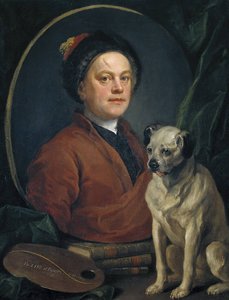
1697 - 1764 , United Kingdom

Journey through 18th century art! Explore 10 iconic paintings – from Rococo elegance to Neoclassical grandeur. Discover Fragonard, David & more. Find museum-quality reproductions and elevate your home decor on Most-Famous-Paintings.com.
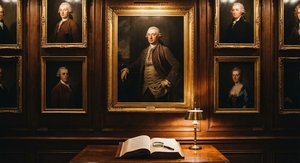
Explore 25 captivating portraits by Sir Joshua Reynolds, a master of British art. Discover stories behind his iconic paintings, elegant style & historical influence. Find museum-quality reproductions and elevate your home decor on Most-Famous-Paintings.com.

Explore 10 iconic portrait paintings – from Mona Lisa to Van Gogh’s self-portraits. Discover the stories behind these masterpieces, artistic techniques & find museum-quality art reproductions for your home at Most-Famous-Paintings.com.
Journey through 25 iconic artworks by Paul Cézanne – a master of Impressionism and Post-Impressionism. Explore his landscapes, still lifes, and the stories behind these timeless masterpieces. Discover museum-quality reproductions & curated decor at Most-Famous-Paintings.com.
Journey through Rembrandt van Rijn's 25 most iconic paintings & etchings. Explore Dutch Golden Age masterpieces, dramatic chiaroscuro, and timeless portraits. Find museum-quality art reproductions to elevate your home decor on Most-Famous-Paintings.com.


Stay updated with the latest art news, exclusive offers, and decoration ideas.
Tell us about your project and our art experts will provide you with 3 personalized art suggestions.
Let Us Curate 3 Options Just for You - Free!


 Buy print
 Send
Send Share
Share
 Details

 Download
 Similars
 X-Ray
X-Ray Diaporama
 Read More







 Glass option is only available in size under 110 CM


