


x

 Oil On CanvasWallArtBaroque
 1735
1735 62.0 x 75.0 cm
Museum-quality giclée or canvas print with fast production and flexible finish options. ( Buy Hand Made Painting Buy Image)





























Pick from our preset sizes that match the artwork's original proportions.

You may enter your own dimensions to fit a specific frame or space. If your selected size does not match the original image's proportions, we will either crop the artwork or extend the image with a mirrored or solid-fill edge. A digital mockup will be sent for your approval before production begins.
Please note that the on-screen preview does not reflect the actual cropping or extension. Only the mockup will accurately show the final composition.
While custom sizes are available, we recommend selecting a dimension from the predefined list to preserve the original proportions.
Worldwide Delivery () in 2 weeks instead of standard 4/5 weeks. (16 August)


The heir
Reproduction Size
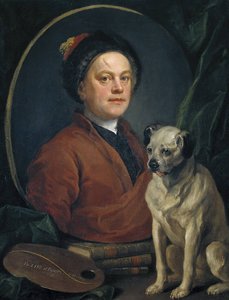
William Hogarth’s “The Heir,” completed in 1735, is more than simply a depiction of a domestic scene; it’s a meticulously crafted social commentary rendered with the precision and moralizing zeal that defined the artist's career. This intimate tableau, measuring 62 x 75 cm, captures a family gathering within their London home, offering a stark glimpse into the burgeoning anxieties surrounding inheritance and social mobility during the Georgian era. The painting’s immediate impact stems from its dramatic composition – a man in a flamboyant red hat dominates the foreground, seemingly issuing instructions or engaging in a critical exchange, immediately drawing the viewer's attention to his position of authority.
Hogarth’s work is renowned for its moralizing intent, and “The Heir” exemplifies this perfectly. The central figure, a young man dressed in fine clothes, represents the heir to a fortune – but his demeanor suggests a lack of responsibility and an inclination towards frivolous pursuits. He is surrounded by figures who seem to be reacting to his actions, hinting at the potential consequences of unchecked ambition and disregard for propriety. This wasn't merely portraiture; it was a carefully constructed moral lesson, reflecting Hogarth’s deep-seated belief in the importance of virtue and industriousness.
The inclusion of details like the dining table laden with books – symbols of knowledge and education – further underscores the painting’s didactic purpose. The windows, providing ample natural light, illuminate not just the scene but also the potential for both enlightenment and corruption.
Hogarth developed a highly distinctive style characterized by its meticulous detail, narrative clarity, and use of sequential scenes to tell stories. “The Heir” showcases his mastery of engraving and painting, utilizing a technique known as ‘grisaille’ – working in monochrome before applying color – to achieve remarkable tonal range and dramatic effect. His attention to the textures of fabrics, the gleam of polished surfaces, and the subtle expressions on the figures' faces creates an incredibly immersive experience for the viewer. This meticulous approach was revolutionary for its time, elevating portraiture beyond mere likeness to a form of visual storytelling.
"The Heir" resonates with profound symbolism, reflecting anxieties about social status, wealth, and the precariousness of fortune. The red hat worn by the central figure is particularly significant, potentially representing vanity or even rebellion against established norms. The overall mood is one of unease and foreboding, suggesting that the heir’s actions will have dire consequences. The painting's enduring appeal lies in its ability to tap into universal themes of ambition, responsibility, and the potential for human fallibility – a timeless exploration of the human condition rendered with Hogarth’s unparalleled skill and moral vision.

1697 - 1764 , United Kingdom

Explore the dramatic evolution from Mannerist distortion to Baroque grandeur. Discover how light, shadow, and emotion redefined art history through a masterclass in technical mastery and religious fervor.

Explore the profound elegance of Baroque Classicism. Discover how 17th-century masters synthesized dramatic emotion with classical order through the lens of the Counter-Reformation and the works of legends like Carlo Maratta and Andrea Sacchi.

Explore the profound differences between Baroque drama and Rococo elegance. Our expert guide delves into art history, chiaroscuro, and the evolution of European masterpieces for collectors and enthusiasts seeking deep historical context.

Explore the dramatic world of Baroque portraiture. Discover how masters used chiaroscuro and light to evoke profound emotion during the Counter-Reformation. A definitive guide for art enthusiasts seeking to understand the power of 17th-century masterpieces.

Explore the dramatic power of Baroque art through an expert guide to light, shadow, and emotion. Discover how the Counter-Reformation shaped 17th-century masterpieces and learn about the profound techniques used by the Old Masters to inspire awe.


Stay updated with the latest art news, exclusive offers, and decoration ideas.
Tell us about your project and our art experts will provide you with 3 personalized art suggestions.
Let Us Curate 3 Options Just for You - Free!


 Preview
 Send
Send Share
Share
 Details

 Download
 Similars
 X-Ray
X-Ray Diaporama
 Read More







 Glass option is only available in size under 110 CM


