x

Museum-quality giclée or canvas print with fast production and flexible finish options. ( Buy Hand Made Painting Buy Image)





























Pick from our preset sizes that match the artwork's original proportions.

You may enter your own dimensions to fit a specific frame or space. If your selected size does not match the original image's proportions, we will either crop the artwork or extend the image with a mirrored or solid-fill edge. A digital mockup will be sent for your approval before production begins.
Please note that the on-screen preview does not reflect the actual cropping or extension. Only the mockup will accurately show the final composition.
While custom sizes are available, we recommend selecting a dimension from the predefined list to preserve the original proportions.
Worldwide Delivery () in 2 weeks instead of standard 4/5 weeks. (18 August)


The Backrush
Reproduction Size
Winslow Homer’s “The Backrush,” completed in 1883, isn't merely a depiction of the Atlantic Ocean; it’s an embodiment of American spirit—a testament to perseverance amidst turbulent forces. Unlike many artists of his era preoccupied with grand narratives or idealized landscapes, Homer focused intently on capturing the raw immediacy of everyday life, specifically the relentless energy of coastal storms.
Executed entirely in watercolor, “The Backrush” exemplifies Homer’s unparalleled skill in manipulating this medium. Watercolor allows for subtle gradations of color and luminosity—qualities crucial to conveying the feeling of surging water and shifting light. Homer employed a layering technique, applying washes of pigment over subsequent layers to build up texture and depth. Notice how he captures the foam crests with delicate brushstrokes, creating an illusion of movement that draws the viewer’s eye into the heart of the storm.
Homer’s work emerged during the waning years of Romanticism—a movement characterized by its fascination with emotion and imagination. However, Homer tempered Romantic idealism with a grounding in observation. He meticulously documented scenes from rural America—fishermen battling waves, children playing on rocky shores—reflecting a broader trend toward realism within the artistic landscape. The painting speaks to anxieties about industrialization and urbanization, presenting nature as both formidable adversary and source of solace.
The crashing waves in “The Backrush” serve as potent symbols—representing not just meteorological phenomena but also the difficulties inherent in human existence. Yet, Homer doesn’t portray defeat; instead, he depicts resilience. The fishermen continue their struggle despite the overwhelming force of the storm, embodying a spirit of determination and fortitude. Furthermore, the birds circling overhead symbolize hope—a reminder that even amidst chaos, beauty persists.
"The Backrush" achieves what Romantic artists termed “the sublime”—a feeling of awe mingled with terror. Homer skillfully evokes this emotional response through his masterful use of color and texture. The dominant hues—deep blues and greens—reflect the ocean’s vastness and power, while the textured brushstrokes convey the physicality of the storm. Viewing this painting inspires contemplation on our relationship to nature and confronts us with the inescapable reality that life is often fraught with obstacles. It remains a powerfully evocative image, resonating with viewers across generations.

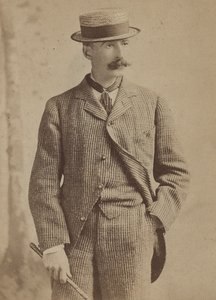
1836 - 1910 , United States of America

Explore the luminous world of American Impressionism. Discover the history of plein air painting, the mastery of artists like Robert Julian Onderdonk, and the enduring beauty of light-drenched landscapes through this expert art history guide.


Stay updated with the latest art news, exclusive offers, and decoration ideas.
Tell us about your project and our art experts will provide you with 3 personalized art suggestions.
Let Us Curate 3 Options Just for You - Free!


 Preview
 Send
Send Share
Share
 Details

 Download
 Similars
 X-Ray
X-Ray Diaporama
 Read More







 Glass option is only available in size under 110 CM


![Indian Tobacco Shop Sign [reverse, Indian Facing Right] — Winslow Homer, Contemporary Realism](/media/artworks/images/thumbnails/64/50/64503c03f780433687607891aba35c23.jpg)