x


 Oil On CanvasWallArtEarly Renaissance
 1450Renaissance
 140.0 x 135.0 cm
 Metropolitan Museum of Art
Hand-painted oil on canvas in your size and frame, made to order by our artists.





























Pick from our preset sizes that match the artwork's original proportions.

You may enter your own dimensions to fit a specific frame or space. If your selected size does not match the original image's proportions, we will either crop the artwork or extend the painting with additional hand-painted elements. A digital mockup will be sent for your approval before production begins.
Please note that the on-screen preview does not reflect the actual cropping or extension. Only the mockup will accurately show the final composition.
While custom sizes are available, we recommend selecting a dimension from the predefined list to preserve the original proportions.
Worldwide Delivery () in 3/4 weeks instead of standard 5 weeks. (18 July). No compromise on quality.


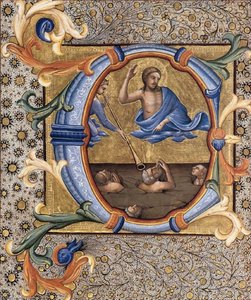
Initial B with David in Prayer
Reproduction Size
To gaze upon this depiction, Initial B with David in Prayer, is to step directly into the charged atmosphere of the Florentine Renaissance. The scene captures a moment suspended between earthly devotion and divine grace. At its heart kneels a figure, perhaps representing David or another devout soul, whose posture speaks volumes without uttering a single word. His clasped hands and bowed head create an immediate focal point, drawing the viewer into the quiet intensity of personal communion with the sacred. The very act of kneeling suggests humility before something infinitely greater than oneself, a universal human experience rendered with exquisite piety.
Painted around 1450 by Zanobi Strozzi, this work stands as a testament to his burgeoning genius during the height of Florence's artistic awakening. While the subject matter is deeply spiritual, Strozzi’s handling of paint reveals a sophisticated technical command characteristic of the period. Observe the drapery; it falls with a natural weight, suggesting both the richness of the fabric and the emotional burden or peace carried by the figure. The background elements, including the secondary figures positioned subtly on either side, are not mere decoration but integral parts of the narrative tapestry. Strozzi masterfully balances the intense focus on the central prayer with the necessary context provided by these surrounding lives.
The inclusion of the initial letter 'B' alongside the devotional scene suggests a dedication or an inscription, grounding this piece within a specific patronage or textual tradition. Symbolically, the composition speaks to the interplay between individual piety and communal faith. The kneeling figure embodies introspection—the necessary withdrawal from the clamor of daily life to find spiritual clarity. For the modern collector or designer, this artwork offers more than mere decoration; it is an artifact of contemplation. It invites a pause, encouraging the viewer to consider their own moments of quiet reflection amidst the grandeur of life.
Reproducing such a significant piece allows one to integrate the profound artistry and spiritual resonance of the Quattrocento into contemporary living spaces. The muted yet rich tones, characteristic of Strozzi’s palette, lend themselves beautifully to various interior décors, adding an immediate layer of cultured depth. Owning a reproduction of this work is not simply acquiring art; it is curating an atmosphere steeped in history, devotion, and the enduring beauty of human aspiration. It serves as a silent, eloquent reminder of timeless faith.


1412 - 1468 , Italy
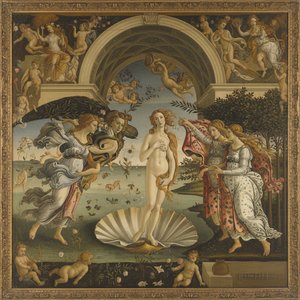
Journey through Botticelli's world with 25 iconic Renaissance paintings. Explore 'Birth of Venus,' 'Primavera,' and more—stories, techniques & timeless beauty. Find museum-quality art reproductions for your home at Most-Famous-Paintings.com.
Journey through the Early Renaissance! Explore 10 iconic paintings by Botticelli, Leonardo da Vinci & Michelangelo. Discover their stories, techniques & lasting impact. Find museum-quality art reproductions and elevate your home decor with .
Journey through Alte Pinakothek's 25 most iconic paintings! Explore masterpieces by Dürer, Rembrandt & Rubens. Discover art history, techniques & find museum-quality reproductions for your home at Most-Famous-Paintings.com.

Journey through 25 iconic Claude Monet masterpieces! Explore Impressionism’s beauty, from Water Lilies to Rouen Cathedral. Discover stunning art reproductions & curated decor ideas – explore the full collection online at Most-Famous-Paintings.com.
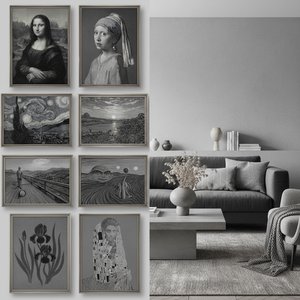
Explore 10 iconic gray paintings by masters like Rembrandt, Hopper & Whistler. Discover the stories behind these atmospheric artworks and find museum-quality art reproductions for your home decor at . Explore the full collection online.


Stay updated with the latest art news, exclusive offers, and decoration ideas.
Tell us about your project and our art experts will provide you with 3 personalized art suggestions.
Let Us Curate 3 Options Just for You - Free!


 Buy print
 Send
Send Share
Share
 Details

 Download
 Similars
 X-Ray
X-Ray Diaporama
 Read More







 Glass option is only available in size under 110 CM