


The Enduring Appeal of Oil Reproduction: Bridging Access, Affordability & Artistic Appreciation
 The Enduring Appeal of Oil Reproduction: Bridging Access, Affordability & Artistic Appreciation
Discover the beauty of art with 's exquisite oil painting reproductions. Explore affordable, handmade masterpieces & custom portraits crafted by skilled artists. Invest in quality and bring timeless art to your home.
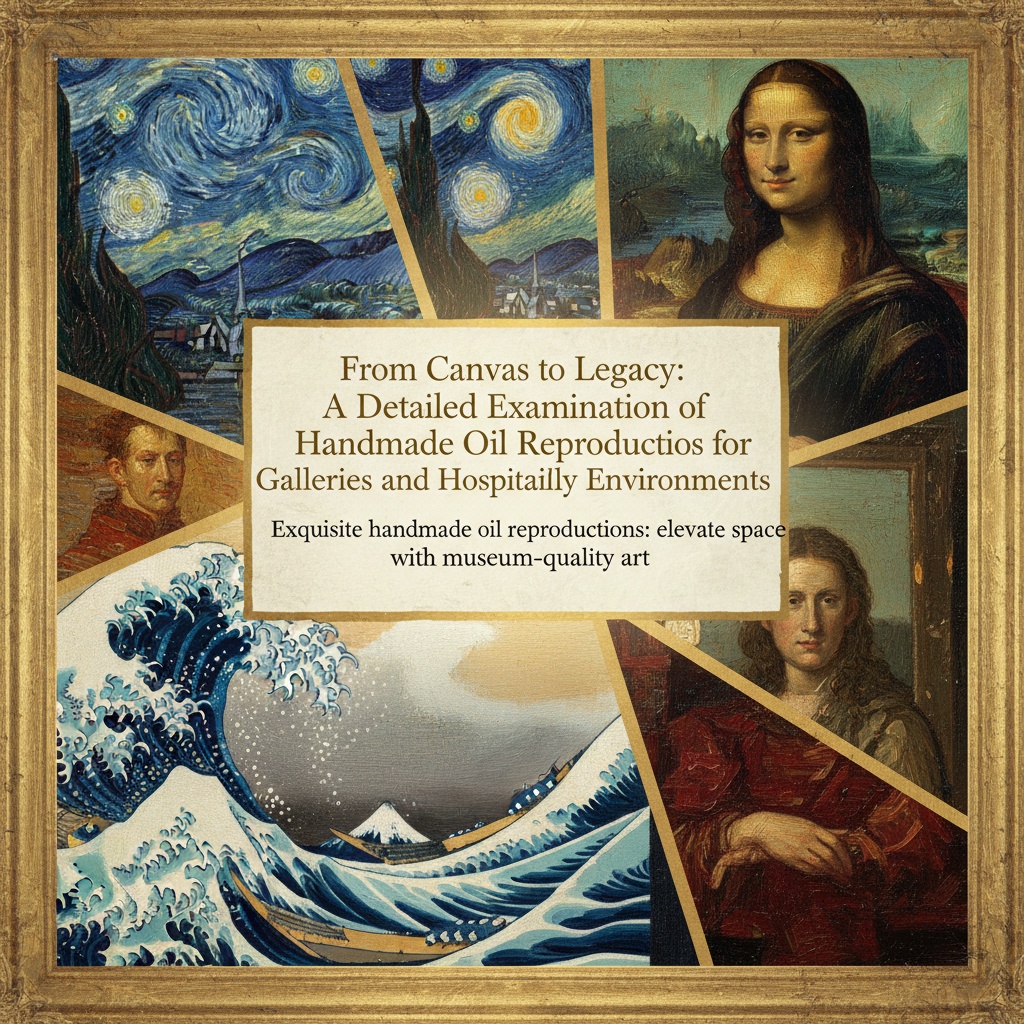
For centuries, the power of a painted image has resonated deeply within the human spirit – a testament to creativity, skill, and the enduring desire to capture beauty. Yet, for much of history, access to original masterpieces remained limited, confined to the collections of royalty, nobility, and institutions. The dream of possessing a Van Gogh, a Monet, or a Rembrandt was often just that: a dream. Today, however, that aspiration is increasingly attainable thanks to the art of handmade oil reproduction – not merely as a substitute for ownership, but as a pathway to experiencing artistic brilliance in one’s own home or space. This isn't about imitation; it’s about continuing a legacy, fostering appreciation, and democratizing access to cultural treasures.
The allure lies not simply in the visual resemblance, but in the tactile quality, the depth of color, and the very *essence* of the original work brought to life anew. A skilled reproduction isn't a mechanical copy; it’s an interpretation born from meticulous study, dedicated craftsmanship, and a profound understanding of artistic technique. It represents hours – often weeks or months – of painstaking labor by artists who are themselves steeped in tradition, striving to recreate not just the image, but the very spirit of the master.
Decoding Reproduction Quality: Understanding 'Studio,' 'Circle Of,' and 'After' Classifications
Oil painting reproductions are paintings that have been created by copying in oils an original oil painting by an artist. Oil painting reproductions are distinct from original oil painting such as are often of interest to collectors and museums. Oil ...
Navigating the world of oil reproductions can be complex. Terms like ‘Studio of,’ ‘Circle of,’ and ‘After’ are frequently encountered, yet their meanings often remain shrouded in ambiguity. Understanding these classifications is crucial for discerning a truly exceptional piece from a lesser imitation. A reproduction labeled ‘Studio of’ suggests creation within the original artist's workshop – perhaps executed by an apprentice under direct supervision or with partial involvement from the master themselves. These are typically highly valued, representing a tangible connection to the original creative process. Works categorized as ‘Circle of’ denote paintings created by associates of the artist during their lifetime, exhibiting stylistic similarities but lacking definitive authorship. The most common designation, ‘After,’ indicates a copy made by a later artist – and within this category lies a vast spectrum of quality.
The key differentiator isn't simply the label itself, but the demonstrable skill of the artist executing the reproduction. Formal art education, experience in replicating historical techniques, and a commitment to using premium materials are all indicators of superior craftsmanship. A discerning eye will detect subtle nuances – the texture of brushstrokes, the accuracy of color blending, and the overall luminosity of the painting – that separate a truly exceptional reproduction from a mere facsimile.
Mastering the Dutch Golden Age: Replicating Rembrandt’s Techniques for Timeless Beauty
 The Framer Herman Doomer
Experience Rembrandt's 'The Framer Herman Doomer,' a captivating 1640 portrait revealing Dutch Golden Age craftsmanship and artistry. Own a piece of art history with our detailed reproductions.
The 17th-century Dutch Masters represent a pinnacle of oil painting technique. Artists like Johannes Vermeer and, most notably, Rembrandt van Rijn, revolutionized the medium with their masterful use of light, shadow, and psychological depth. Recreating these works demands not only technical prowess but also an intimate understanding of their artistic vision. Consider Rembrandt’s iconic paintings – ‘Paysage D'Orage,’ for example, showcases a breathtaking command of chiaroscuro, the dramatic interplay between light and dark that defines his style. Reproducing this effect requires meticulous layering of paint to create depth, dimension, and an almost palpable sense of atmosphere.
His portraits, such as ‘Cornelia Pronck, Wife of Albert Cuyper,’ are renowned for their ability to capture subtle nuances in skin tones and facial expressions. This is achieved through a complex process of blending, glazing, and scumbling – techniques that require years of dedicated practice. The use of impasto, applying thick layers of paint with a palette knife or brush, adds texture and highlights specific areas of the composition. Reproducing Rembrandt’s work isn't simply about copying an image; it’s about understanding his layering process, pigment choices, and the very *philosophy* behind his artistic approach.
The Canvas as Foundation: Materials, Preparation, and Considerations for Display Environments
Conservation research institutes around the world have long advocated the symbiosis between practitioner and scientist, a feat not easy to accomplish.
The canvas itself is often overlooked, yet it plays a vital role in the longevity and aesthetic quality of an oil reproduction. Traditionally, artists favored linen canvas stretched over a wooden frame – prized for its superior strength, stability, and ability to hold paint without warping or tearing. Before painting, the canvas undergoes meticulous preparation, typically involving several layers of gesso – a mixture of chalk, pigment, and binder – to create a smooth, receptive surface. The quality of the gesso directly impacts the texture and absorbency of the canvas, influencing how the paint adheres and blends.
While modern reproductions often utilize pre-primed canvases for convenience, skilled artists may apply additional layers of gesso to achieve optimal results. The choice of frame is equally important – a well-chosen frame complements the painting’s style, protects its edges, and enhances its overall aesthetic appeal. For hospitality environments, where artwork is subject to greater wear and tear, selecting durable frames and protective varnishes is paramount. Considerations include humidity levels, lighting conditions, and potential exposure to handling.
Step-by-Step Workflow: From Reference Image to Final Varnish – The Art of Handmade Replication
The creation of a handmade oil reproduction is a meticulous process that unfolds over weeks, even months. It begins with capturing a high-resolution photograph of the original artwork, ensuring accurate color representation and detail. The artist then prepares the canvas with gesso and sketches the basic outlines of the composition – often using charcoal or diluted paint. Multiple layers of paint are applied, starting with an underpainting to establish tonal values and build a foundation for subsequent colors.
Each layer is allowed to fully dry before proceeding, preventing muddling or cracking. Subsequent layers build depth and texture, with careful attention paid to replicating the original artist’s brushstrokes and blending techniques. The drying time between layers is crucial – allowing the oil paint to oxidize and harden properly. Once the painting is complete, a protective varnish is applied to enhance the luminosity, protect against UV damage, and provide a uniform sheen. Throughout the process, artists often provide progress photos to clients, offering transparency and opportunities for feedback.
Ensuring Artistic Integrity & Quality Reproductions: Ethical Practices and Preservation Techniques
 : Ensuring Artistic Integrity & Quality Reproductions
delivers museum-quality art reproductions & custom paintings. Explore our commitment to authenticity, expert craftsmanship, and a satisfaction guarantee. Find the perfect artwork for your space.
Maintaining artistic integrity is paramount when creating reproductions. This isn’t about deception; it's about faithfully recreating an artist’s vision and technique while acknowledging the work as a reproduction, not an original. Reputable studios prioritize transparency – clearly labeling their works and employing skilled artists who possess formal art education and experience in replicating historical styles. Quality control measures include rigorous review of progress photos, comparison to the original artwork, and careful application of protective varnishes.
Ethical considerations extend to respecting copyright laws and avoiding misleading marketing practices. Preservation techniques are equally important – selecting archival-quality materials, applying UV-resistant varnishes, and providing guidance on proper cleaning and handling. Ultimately, a high-quality oil reproduction is more than just a copy; it’s a testament to the enduring power of artistry, a celebration of cultural heritage, and an opportunity to experience beauty in one’s own space. At Most-Famous-Paintings.com, we are dedicated to providing museum-quality reproductions crafted with precision, care, and a deep respect for the artistic legacy they represent.