

The Horse in Antiquity: Symbolism and Utility
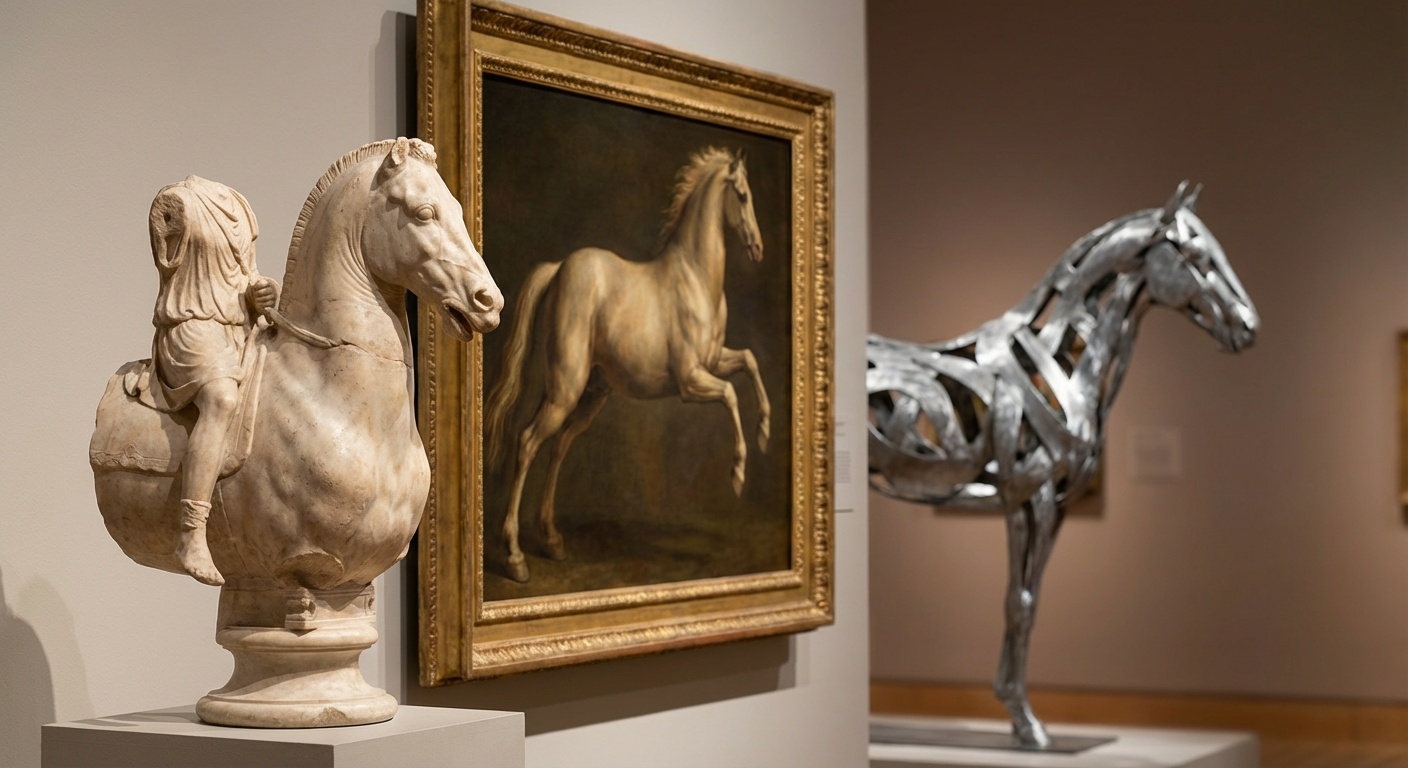
For millennia, the horse has galloped through the collective human imagination, not merely as a beast of burden or a tool for conquest, but as a potent symbol woven into the very fabric of civilization. From the earliest cave paintings – those breathtaking depictions at Lascaux, dating back some 17,000 years – we see an immediate reverence for this powerful creature. These weren’t simply records of hunts; they were likely imbued with spiritual significance, perhaps representing a desire for successful pursuits or a connection to the animal's life force. In ancient Greece and Rome, the horse transitioned from a symbol of untamed power to one of refined status and military might. Equines were integral to warfare, chariot racing, and aristocratic displays of wealth. Terracotta vases frequently showcased scenes of heroic battles and mythological narratives featuring horses, highlighting their association with gods like Poseidon, often depicted emerging from the sea with equine companions. The Greeks and Romans elevated the horse through sculpture, culminating in the equestrian statue – a form designed to immortalize leaders and celebrate their achievements. While few examples survive intact from antiquity, the Equestrian Statue of Marcus Aurelius stands as a testament to this enduring fascination.
Renaissance Reverence: Horses as Status and Ideal Form
The Renaissance witnessed a renewed interest in classical ideals, and with it came a resurgence of equestrian imagery. Artists like Paolo Uccello, Benozzo Gozzoli, and Leonardo da Vinci turned their attention to the horse, not just as a subject but as an embodiment of grace, power, and anatomical perfection. The depiction of horses became increasingly sophisticated, reflecting a deeper understanding of equine musculature and movement. However, it wasn’t merely about accurate representation; Renaissance artists sought to capture the *ideal* form – a harmonious blend of beauty, strength, and nobility. Leonardo da Vinci's studies of horses, meticulously detailed pencil sketches capturing dynamic figures, exemplify this pursuit. These weren’t preparatory drawings for paintings alone; they were investigations into the very essence of equine anatomy, driven by an insatiable curiosity and artistic ambition. Notably, Ludovico il Moro commissioned Da Vinci to create a colossal equestrian statue honoring his father, Francesco Sforza. Though never completed in Leonardo's lifetime, this ambitious project underscored the horse’s symbolic importance as a marker of power and prestige.
George Stubbs and the 18th-Century Equestrian Portrait
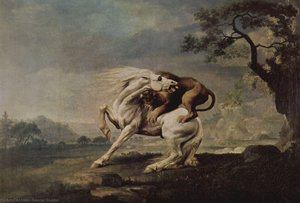
The 18th century saw the rise of George Stubbs, an artist who became almost synonymous with equestrian portraiture. Dubbed “the horse painter,” Stubbs wasn’t simply a skilled renderer of animals; he was a dedicated anatomist. He spent eighteen months dissecting equine carcasses – a practice considered unusual and even morbid at the time – to gain an unparalleled understanding of their internal structure. This meticulous study informed his paintings, imbuing them with a remarkable accuracy and realism that set him apart from his contemporaries. His bookplates, showcasing detailed anatomical drawings, became invaluable resources for other artists. Stubbs’s portraits weren't just depictions of horses; they were celebrations of the animal’s beauty, strength, and character. Works like Molly Long-legs with her Jockey capture a sense of personality and vitality rarely seen in earlier equestrian art. The Marquess of Rockingham, another iconic Stubbs painting, exemplifies his mastery of detail and composition, showcasing the horse as a symbol of aristocratic elegance.
Romantic Visions & Realist Depictions: The Horse in 19th Century Art
The 19th century brought forth a diverse range of approaches to depicting horses. The Romantic movement, with its emphasis on emotion and drama, saw artists like Théodore Géricault and Eugène Delacroix portray horses in scenes of intense action and struggle. These paintings often conveyed themes of heroism, rebellion, and the untamed power of nature. Simultaneously, a growing trend towards realism led artists to focus on more accurate representations of equine life. Benjamin Marshall, James Ward, Henry Thomas Alken, and John Frederick Herring Sr. specialized in sporting art, capturing the excitement of horse racing and hunting scenes. The development of photography played a crucial role during this period; Eadweard Muybridge’s groundbreaking studies of animal motion provided artists with unprecedented insights into the mechanics of equine movement, allowing for even greater realism in their work. Rosa Bonheur, arguably the most famous female painter of the 19th century, achieved renown for her large-scale depictions of horses and rural life, notably Ploughing in the Nivernais and The Horse Fair, showcasing a deep empathy for animals and a remarkable attention to detail.
Beyond Representation: Expressionism and the Spiritual Horse
As art moved into the 20th century, traditional representational approaches gave way to more abstract and expressive forms. Franz Marc, a key figure in the Expressionist movement, explored the spiritual connection between humans and animals. He believed that animals possessed an inherent purity and innocence lost by modern society. His paintings often featured horses rendered in vibrant, non-naturalistic colors, imbued with symbolic meaning. For Marc, the horse represented freedom, vitality, and a longing for a more harmonious existence. He sought to capture not just the physical appearance of the animal but its inner essence – its soul. The use of color was deliberate; each hue carried specific emotional weight, contributing to the overall spiritual message of his work. His innovative approach challenged conventional notions of representation and paved the way for new ways of understanding the relationship between art, nature, and spirituality.
The Enduring Legacy: Horses as Motifs in Modern Art & Design
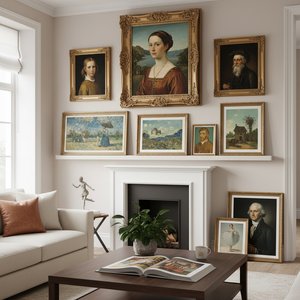
While the horse may no longer hold the same practical significance it once did – as a mode of transportation or an instrument of war – its presence continues to resonate within modern art and design. Contemporary representations often reflect nostalgia for the American West, celebrate equestrian sports, or revisit iconic historical depictions. The enduring appeal of horses lies in their inherent beauty, power, and symbolic richness. From ancient mythology to Renaissance masterpieces and beyond, the horse has consistently inspired artists across cultures and generations. Today, we see echoes of this legacy in interior design – animal motifs adorning textiles, artwork evoking equestrian themes, and a general appreciation for the natural world. The horse remains a powerful symbol of freedom, grace, and untamed spirit, continuing to gallop through our collective imagination. At Most-Famous-Paintings, we are proud to offer high-quality reproductions of iconic equine artworks, allowing you to bring this timeless beauty into your own home.