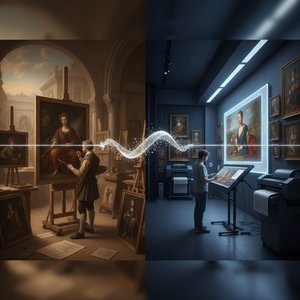
A Bastion of Basque & European Art: Discovering the Bilbao Fine Arts Museum
Nestled within the verdant embrace of Doña Casilda Iturrizar park in Bilbao, Spain, stands a cultural beacon – the Bilbao Fine Arts Museum (Museo de Bellas Artes de Bilbao). More than just a repository of artistic treasures, it’s a living narrative spanning centuries, a testament to Basque identity interwoven with the broader currents of European art history. Founded in 1908, born from the vision of a burgeoning bourgeoisie eager to elevate Bilbao's cultural landscape, the museum has evolved into the second-largest and most visited institution of its kind in the Basque Country, rivaling even the iconic Guggenheim in its significance. Its story is one of civic pride, artistic patronage, and an unwavering commitment to preserving and promoting both local talent and international masters. The very foundation of the museum speaks volumes; it wasn’t simply *built*, but rather *grown* from a desire to connect Bilbao with the vibrant art scenes unfolding across Europe at the turn of the 20th century.
An Architectural Tapestry: From Neoclassical Roots to Modern Expansion
The building itself is an eloquent reflection of this evolution. Originally conceived in a stately neoclassical style, it has undergone thoughtful expansions in 1970 and again in 2001, seamlessly blending historical elegance with contemporary functionality. These additions weren’t merely about increasing space; they were about creating an inviting environment where art could breathe, where natural light would illuminate the canvases, and where visitors could wander through galleries designed to enhance their experience. The architecture isn't a stark contrast between old and new, but rather a harmonious dialogue – a visual representation of the museum’s commitment to both its heritage and its forward-looking vision. Stepping inside is akin to embarking on a journey through time, each wing offering a unique perspective on artistic expression. Imagine strolling through halls adorned with frescoes depicting scenes from Basque folklore alongside masterpieces by Impressionists like Sorolla, bathed in sunlight filtering through expansive windows.
A Collection as Diverse as History Itself
The heart of the Bilbao Fine Arts Museum lies in its remarkably diverse collection. Here, one can traverse the stylistic landscapes from medieval religious art to the bold experimentation of contemporary masters. The Old Masters section boasts captivating works by El Greco, with his signature elongated figures and dramatic use of light; Cranach, known for his portraits and allegorical paintings; and Spanish masters like Murillo and Van Dyck, whose refined techniques captured the spirit of their age. But the museum doesn’t dwell solely on the past. The 19th and 20th-century collections are equally compelling, featuring pieces by Sorolla, capturing the sun-drenched landscapes of Spain; Mary Cassatt, an American Impressionist who beautifully depicted domestic life; Paul Gauguin, whose vibrant colors and exotic subjects revolutionized painting; and James Ensor, a Belgian Symbolist known for his unsettling and darkly humorous imagery. The modern and contemporary wing is equally impressive, showcasing works by Francis Bacon – visceral and emotionally charged portraits that explore the depths of human existence – and Richard Serra, celebrated for his monumental steel sculptures that redefine space and perception. Each piece tells its own story, contributing to a grand narrative of artistic evolution.
A Unique Identity: Basque Art at Its Core
What truly sets the Bilbao Fine Arts Museum apart is its unwavering dedication to Basque art. The collection isn’t simply *inclusive* of local artists; it actively champions them, offering a comprehensive survey of artistic expression within the region. From Adolfo Guiard and Darío de Regoyos to Jorge Oteiza and Eduardo Chillida, the museum provides a platform for understanding the unique cultural identity of the Basque Country through its visual arts. This commitment isn’t merely about showcasing local talent; it's about preserving a vital part of the region’s heritage and ensuring that future generations can connect with their artistic roots. The museum actively seeks to contextualize these works within the broader European narrative, demonstrating how Basque art both reflects and contributes to the larger currents of artistic innovation. Consider Chillida’s sculptures – monumental forms rooted in Basque landscape—a testament to the region's geological heritage and its profound connection to nature.
Looking Ahead: A Dynamic Cultural Hub
Today, the Bilbao Fine Arts Museum continues to thrive as a dynamic cultural hub, hosting rotating special exhibitions that explore diverse themes and movements in European art. From focused retrospectives on individual artists to thematic explorations of specific periods or styles, these exhibitions ensure that the museum remains at the forefront of artistic discourse. The ongoing Iberdrola-Museum Conservation and Restoration Programme underscores its commitment to preserving its treasures for generations to come. A visit to the Bilbao Fine Arts Museum is more than just an art experience; it’s an immersion into a rich cultural heritage, a celebration of Basque identity, and a testament to the enduring power of artistic expression. It's a place where history comes alive, where beauty captivates, and where inspiration awaits around every corner.