


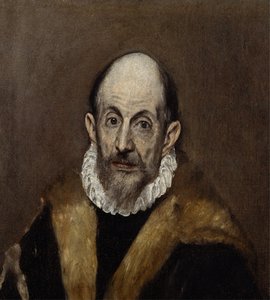


A Sanctuary of Spiritual Brilliance: The El Greco Legacy in Toledo
To step into the heart of Toledo is to enter a realm where the boundaries between the earthly and the divine begin to dissolve, a sensation most profoundly realized within the walls of the El Greco Museum. Established in 1911, this institution serves as much more than a mere repository for canvases; it is an immersive pilgrimage into the creative soul of Domenikos Theotokos Cretensis, the master known to history as El Greco. For the art lover and the collector alike, the museum offers a rare, concentrated encounter with the Spanish Golden Age, focusing its entire narrative on the stylistic evolution of a painter who redefined the limits of Mannerism. Here, the air seems thick with the spiritual fervor of the 17th century, inviting visitors to lose themselves in a world of elongated figures, dramatic light, and an emotional intensity that remains unparalleled in European art history.
The collection itself is a breathtaking testament to El Greco’s mastery, anchored by the monumental Apostolado Series. Completed between 1610 and 1614, these thirteen profound canvases depict Christ and his disciples with a kinetic energy and expressive distortion that capture the very essence of religious ecstasy. Each brushstroke serves as a window into a soul ablaze with faith, showcasing the artist's unique ability to synthesize Byzantine iconography with the sophisticated techniques of Venetian and Roman masters. Beyond El Greco’s personal triumphs, the museum curates a harmonious dialogue with his contemporaries, presenting selected works by other prominent 17th-century Spanish artists. This careful curation allows the discerning eye to appreciate the broader artistic landscape of Toledo, where the shadows of faith and the brilliance of light converged to create a unique cultural epoch.
The architectural setting of the museum provides a serene and historically resonant backdrop that complements the intensity of the art within. The institution is housed in two historic structures: a stately 16th-century residence featuring a tranquil courtyard that offers a moment of quietude, and an early 20th-century edifice meticulously designed to optimize the exhibition of these precious treasures. This architectural duality mirrors the artist's own life—a blend of classical tradition and innovative spirit. For those seeking inspiration in design and atmosphere, the museum’s environment evokes a sense of timelessness, where the heavy, earth-bound textures of Spanish stone meet the ethereal, luminous qualities of the paintings themselves.
What truly distinguishes this museum is its intimate connection to the artist's personal reality. Through a carefully recreated home environment, visitors are granted a rare glimpse into the domestic life and creative process of El Greco, allowing for a deeper contemplation of how his surroundings in Toledo shaped his distinctive, otherworldly style. This intimacy is further enriched by the museum's proximity to the Toledo Cathedral, where El Greco served as an architect and whose influence permeates the very fabric of the city. Whether exploring through temporary exhibitions that delve into the technical nuances of Mannerism or wandering through the permanent halls of the Apostolado, one finds a destination that is not merely a museum, but a living, breathing monument to the enduring power of artistic vision.





