
A Palace of Visions: The Architectural Soul of Kunstmuseum Den Haag
To step into the Kunstmuseum Den Haag is to enter a sanctuary where light and geometry perform a silent, eternal dance. Located in the heart of The Hague, this architectural jewel is far more than a mere repository for canvas and stone; it is a deliberate experience shaped by the visionary hand of Hendrik Petrus Berlage. Completed in the mid-1930s, the museum stands as a masterclass in understated elegance, rejecting the heavy, ostentatious ornamentation of previous eras in favor of a stripped-back, modern clarity. As one wanders through the expansive entrance hall, the soaring ceilings and the soft, diffused natural light filtering through massive windows create an atmosphere of profound serenity. Berlage’s genius lay in his ability to design a space that serves as a quiet, rhythmic backdrop to the art it houses, ensuring that the architecture never competes with the masterpieces, but rather cradles them in a state of perpetual contemplation.
The museum's history is a narrative of evolution, tracing its roots back to 1866 as the Museum voor Moderne Kunst. Over the decades, it has transformed from a champion of the avant-garde into a prestigious beacon of scholarly research and cultural engagement. This journey mirrors the broader shifts in European art history itself, moving from the foundational traditions of the Dutch Golden Age toward the radical abstractions of the twentieth century. Today, the institution exists in a vibrant cultural ecosystem, standing alongside KM21 and Fotomuseum Den Haag, creating a localized renaissance of visual dialogue that invites both the casual visitor and the serious collector to explore the transformative power of the image.
A Tapestry of Masters: From Dutch Golden Age to Modern Icons
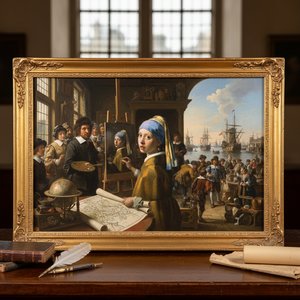
The collection within Kunstmuseum Den Haag is a breathtaking kaleidoscope of artistic voices, woven together with meticulous care. At its very heart lies an unwavering devotion to the legends of the Dutch Golden Age. Visitors are invited to lose themselves in the dramatic, psychological depth of Rembrandt’s portraits and the luminous, quiet intimacy of Vermeer’s domestic scenes. These works do more than depict history; they capture the subtle nuances of human emotion and the play of light on fabric and skin with an unparalleled mastery that continues to captivate the modern eye. This reverence for tradition provides a profound foundation upon which the museum builds its more experimental treasures.
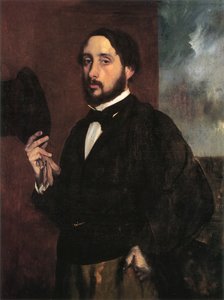
As one moves through the galleries, the narrative shifts from the terrestrial to the fantastical and the abstract. The museum boasts a remarkable assemblage of international brilliance, featuring the impressionistic light of Claude Monet, the rhythmic line work of Edgar Degas, and the raw, emotive power of Egon Schiele. The halls are also alive with the symbolic visions of Jan Toorop, whose works bridge the gap between myth and modernity. For the interior designer or art enthusiast seeking inspiration, this diversity offers an endless palette of textures, colors, and historical contexts, making every visit a discovery of how different eras communicate through the universal language of form.
The Mondrian Legacy: A Singular Monument to Abstraction
Perhaps nothing defines the identity of Kunstmuseum Den Haag quite like its unparalleled dedication to Piet Mondrian. The museum holds the world’s most significant repository of his oeuvre, featuring over 800 works that span his entire creative evolution. This collection allows for a rare, intimate study of an artist’s metamorphosis—from his early, more representational landscapes to the iconic, revolutionary geometric abstractions that would redefine modern art. To stand before his monumental Victory Boogie-Woogie is to witness the pinnacle of De Stijl influence, where vibrant primary colors and dynamic, intersecting lines create a sense of rhythmic movement that feels both ancient and futuristic.
This singular focus on Mondrian provides a spiritual anchor for the museum, offering a deep dive into the philosophy of pure color and essential form. It is this commitment to preserving the radical spirit of innovation that makes Kunstmuseum Den Haag a pilgrimage site for scholars and lovers of modernism alike. Whether through interactive workshops that engage the next generation or scholarly lectures that delve into the complexities of abstraction, the museum ensures that the legacy of these masters remains a living, breathing force in our contemporary world.