A Journey Through Artistic Expression: The Los Angeles County Museum of Art
Nestled within the verdant embrace of Hancock Park, a mere stone’s throw from both the boundless expanse of the Pacific Ocean and the vibrant pulse of downtown Los Angeles, lies the Los Angeles County Museum of Art (LACMA). More than simply a repository of artistic treasures, LACMA stands as a testament to the city's enduring spirit—a dynamic crossroads where history converges with imagination, and where the echoes of countless cultures resonate through its expansive halls. Founded in 1961 with a bold vision, born from the shared ambition of Edward W. Carter and Howard F. Ahmanson Sr., LACMA has evolved into one of America’s most significant art institutions, a place where visitors embark on an unforgettable journey through millennia of creative expression.
The museum's genesis is inextricably linked to William Pereira’s visionary architecture—a modernist masterpiece characterized by soaring glass facades and geometric forms that immediately established LACMA as a landmark. This architectural statement wasn’t merely about aesthetics; it was a declaration of aspiration, reflecting the city’s burgeoning cultural landscape. However, the building’s initial design presented challenges – the reflective pools surrounding the structure were soon overwhelmed by tar from the adjacent La Brea Tar Pits, leading to ingenious modifications that ultimately enhanced the museum’s visual impact. The subsequent additions by Hardy Holzman Pfeiffer Associates and Bruce Goff—the Robert O. Anderson Building for 20th-century art and the Pavilion for Japanese Art respectively—further solidified LACMA's reputation as a champion of innovation and diverse artistic voices. Each building, in its own distinct style, contributes to the museum’s overall narrative – a story of continuous growth and engagement with the world of art.
A Kaleidoscope of Collections
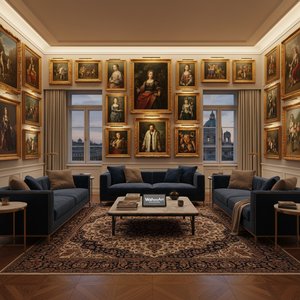
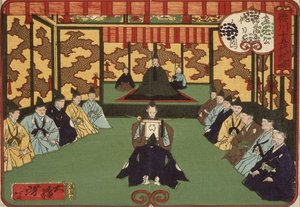
LACMA’s strength resides not just in its impressive physical space but, crucially, within the breadth and depth of its collection. Spanning an astonishing range of eras and artistic traditions, LACMA boasts holdings that tell a compelling story of human creativity. From the haunting cave paintings of prehistoric times to the cutting-edge installations of today, the museum’s inventory is a veritable timeline of artistic development. A particular highlight lies in its European painting collection—a dazzling array of Renaissance portraits by masters like Titian and Raphael, offering intimate glimpses into the lives and aspirations of bygone eras. Equally captivating are the Californian art holdings, celebrating the unique identity of the region through works by artists such as Norman Charles Zammitt and Marianne Sadowski. The museum’s commitment to global representation is powerfully demonstrated in its Asian Art collection—a breathtaking assemblage of intricate sculptures from Japan and China, each piece a testament to centuries of artistic heritage. And, of course, LACMA's modern and contemporary art holdings are consistently pushing boundaries, showcasing works by influential figures like Bruce Goff and Chris Burden.
Architectural Marvels & Engaging Exhibitions
Beyond its collections, LACMA itself is an immersive work of art. The campus is a carefully orchestrated environment, featuring buildings designed by renowned architects—each contributing to the museum’s overall aesthetic harmony. Notably, Chris Burden's *Urban Light*, a mesmerizing assemblage of vintage street lamps, has become an iconic symbol of LACMA—a radiant beacon attracting visitors and photographers alike. Throughout its history, LACMA has consistently championed artistic experimentation and fostered critical conversations about social issues. Past exhibitions have honored artists like Robert Irwin, whose perceptual explorations redefined the boundaries of art, and Barbara Kruger, whose provocative text-based works challenged societal norms. More recently, presentations have delved into themes of family life through photography and celebrated the influence of Scandinavian design—demonstrating the museum’s ongoing commitment to engaging with contemporary audiences.
Connections & Community
LACMA's dedication extends beyond its walls, fostering a vibrant connection with other institutions within Exposition Park. The George C. Page Museum at La Brea Tar Pits and the California Science Center are integral partners, offering visitors a holistic understanding of scientific discovery alongside artistic contemplation. The museum’s location provides unparalleled access to the cultural heart of Los Angeles, further solidifying its role as a vital community resource. LACMA's commitment to inclusivity is evident in its educational programs, accessible facilities, and ongoing efforts to engage audiences from all backgrounds—inspiring creativity, fostering understanding, and reaffirming art’s transformative power for generations to come. The museum continues to evolve, embracing new technologies and perspectives while remaining steadfast in its mission to celebrate the enduring legacy of human artistic expression.
Useful Links
Additional Research: