A Parisian Sanctuary of Eighteenth-Century Splendor
Nestled within the historic, winding streets of Le Marais, the Musée Cognacq-Jay offers far more than a mere exhibition of objects; it provides a profound immersion into the refined soul of eighteenth-century France. To enter this museum is to step through a portal of time, leaving the modern bustle of Paris behind for the intimate, gilded atmosphere of the Hôtel Donon. This magnificent residence, dating back to approximately 1575, serves as the perfect vessel for a collection that was never intended for the cold, cavernous halls of a grand institution, but rather for the warmth and elegance of a private home. The museum’s very essence lies in this deliberate intimacy, where every paneled room is meticulously curated to evoke the opulent lifestyle of the French aristocracy and the visionary spirit of its founders.
The story of this collection is one of remarkable philanthropy and commercial triumph. It was born from the passion of Ernest Cognacq, a titan of Parisian commerce who, alongside his wife Marie-Louise Jay, built the legendary La Samaritaine department store. Driven by an unwavering devotion to beauty, Cognacq spent decades meticulously assembling a treasury of decorative arts and fine paintings. His ultimate gift to the City of Paris was not just a collection, but a curated experience designed to showcase the harmonious dialogue between art and interior design. By housing these treasures within twenty beautifully paneled rooms styled in the Louis XV and Louis XVI periods, the museum allows visitors to witness how masterpieces were originally intended to interact with exquisite furniture, delicate ceramics, and ornate architectural details.
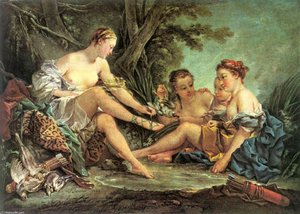
For the discerning eye of the art lover or the inspired interior designer, the collection offers an unparalleled masterclass in 18th-century aesthetics. The museum’s inventory is a dazzling panorama of European craftsmanship, featuring works by luminaries such as François Boucher, Jean-Honoré Fragonard, and Jean-Siméon Chardin. These paintings, alongside the profound shadows of a Rembrandt, breathe life into the rooms, their textures and light playing against the luster of fine Chinese ceramics and the intricate brilliance of period jewels. One might find themselves captivated by the delicate precision of an ornate snuffbox or the structural grace of furniture attributed to masters like Jean-François Oeben. Every object, from the smallest porcelain figurine to the most imposing sculpture by Jean-Antoine Houdon, tells a story of a transformative era defined by elegance and technical mastery.
What truly distinguishes the Musée Cognacq-Jay is its ability to foster a personal connection between the viewer and the past. Unlike sprawling museums that can feel overwhelming in their breadth, this sanctuary encourages slow contemplation and emotional resonance. It is a place where the boundaries between art and living space dissolve, inviting guests to imagine the whispered conversations and refined social rituals of a bygone age. For collectors seeking inspiration or travelers searching for the true heart of Paris, the museum stands as a testament to the enduring power of beauty and the profound legacy of a family's devotion to the arts.