




A Journey Through Genoese Splendor: The Musei di Strada Nuova
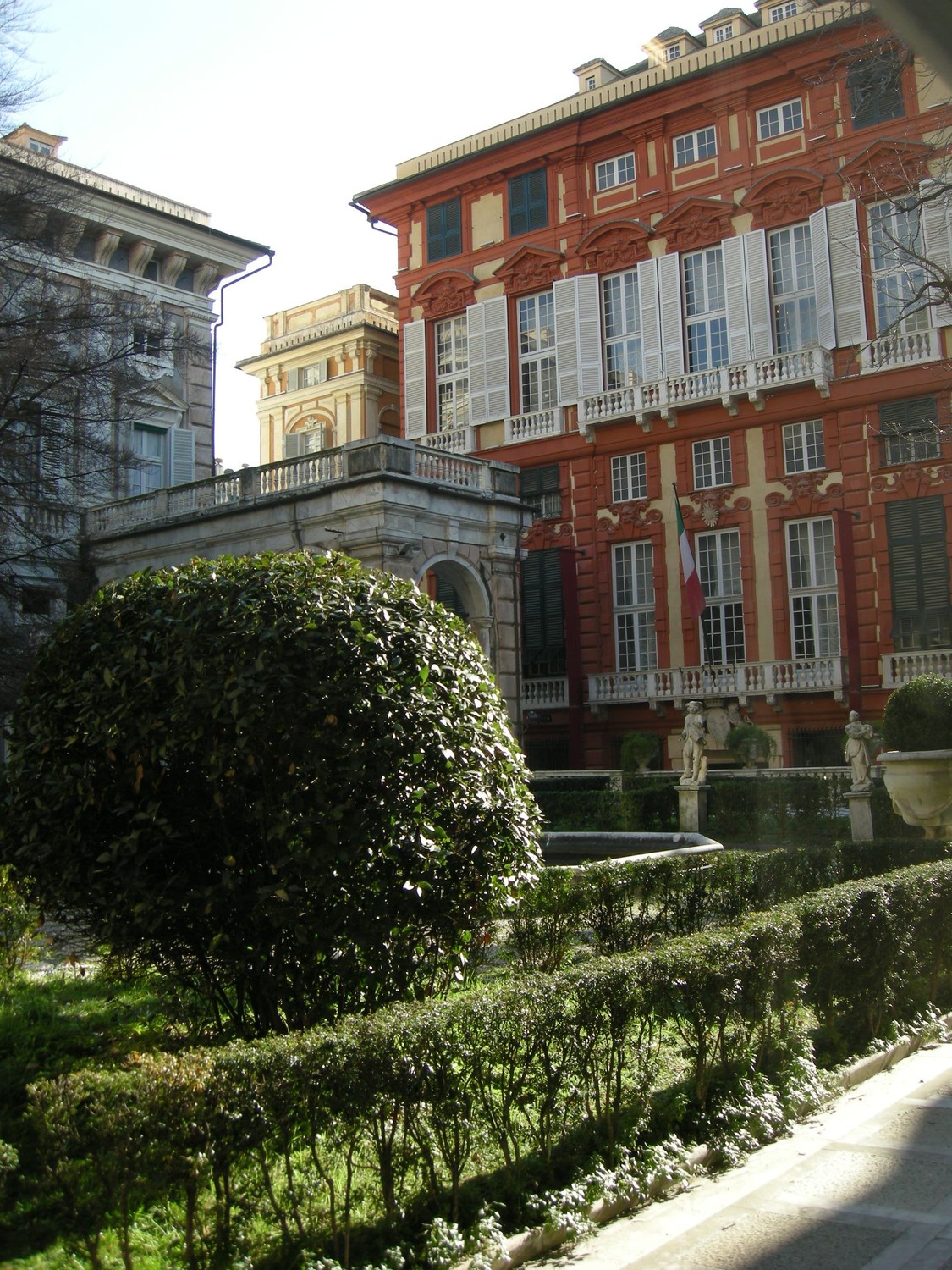
Nestled along the historic Via Garibaldi in Genoa, Italy, the Musei di Strada Nuova stands as a breathtaking testament to Liguria’s rich artistic heritage and aristocratic grandeur. This unified museum complex is not merely a collection of galleries but a living chronicle of a golden age, where the boundaries between art and architecture dissolve. Comprising three magnificent palaces—Palazzo Rosso, Palazzo Bianco, and Palazzo Tursi—the museum invites visitors to wander through a labyrinth of history that spans from the fifteenth to the twentieth centuries. As one traverses these interconnected spaces, designed with a seamless flow by the master Franco Albini, the experience becomes an immersive odyssey through the very soul of Genoa’s past, where every courtyard and loggia whispers tales of maritime power and cultural opulence.
The architectural majesty of the complex is nothing short of extraordinary, reflecting the refined tastes of the prominent Genoese families who once called these palaces home. The facades, adorned with intricate sculptures and elegant Renaissance and Baroque flourishes, serve as a prelude to the treasures held within. In Palazzo Rosso, often referred to as the "Red Palace," the atmosphere is one of dramatic intensity. Here, the eye is immediately drawn to the monumental frescoes by Domenico Piola, whose depiction of a Dionysian bacchanal uses vibrant reds and shimmering golds to capture the dynamic energy of classical mythology. This sense of drama is further heightened by the presence of Caravaggio’s iconic “Ecce Homo,” a work that masterfully employs chiaroscuro to evoke a profound emotional response through its stark use of light and shadow.
Moving into Palazzo Bianco, the mood shifts toward the luminous elegance of the Venetian Renaissance. This gallery is a sanctuary for lovers of color and detail, most notably featuring Veronese’s breathtaking “Susannah and the Elders.” The brilliance of the pigments and the delicate rendering of fabric create a window into a world of classical beauty. The museum also pays homage to the sculptural mastery of the Baroque era through the works of Bernardo Schiaffino, whose marble creations, such as “Jove as a Swan,” possess a sensual fluidity that seems almost lifelike. This dialogue between painting and sculpture ensures that every corner of the palazzo offers a new perspective on the evolution of European aesthetic ideals.
Beyond the canvas and stone, the Palazzo Tursi provides a unique glimpse into the civic and musical heartbeat of Genoa. As the seat of the Town Hall, it houses an exquisite collection of decorative arts that complement the fine arts found in its sister palaces. Perhaps most poignant is the presence of Nicolò Paganini’s legendary violin, “Cannone.” This instrument, revered for its exceptional and powerful tonal qualities, serves as a hauntingly beautiful symbol of Genoa's profound musical legacy. Whether exploring recent exhibitions focused on eighteenth-century Ligurian artists or contemplating the enduring legacy of Antonio Canova’s sculptures, visitors to Musei di Strada Nuova find themselves part of a continuous narrative of human creativity. For the art lover, the collector, or the designer seeking inspiration, this UNESCO World Heritage site offers an unparalleled encounter with the sublime.





