
Museo Nacional Centro de Arte Reina Sofía
The Museo Nacional Centro de Arte Reina Sofía (“Queen Sofía National Museum Art Centre”; MNCARS) is Spain’s national museum of 20th-century art. The museum was officially inaugurated on September 10, 1992, and is named for Queen Sofía.
It is located in Madrid, near the Atocha railway station and metro stations, at the southern end of the so-called Golden Triangle of Art (located along the Paseo del Prado and also comprising the Museo del Prado and the Museo Thyssen-Bornemisza). The museum is mainly dedicated to Spanish art. Highlights of the museum include collections of Spain’s two greatest 20th-century masters, Pablo Picasso and Salvador Dalí.
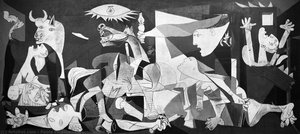
Certainly, the most famous masterpiece in the museum is Picasso's painting *Guernica* (1937). This isn't simply a painting; it’s an emotional earthquake rendered in monochrome, a searing indictment of violence and a powerful symbol of the Spanish Civil War. Its fragmented imagery, born from the horrors of aerial bombardment, continues to resonate with viewers today, cementing its place as one of the most iconic artworks of the 20th century. To stand before *Guernica* is to confront not just artistic genius but also the enduring weight of human tragedy.
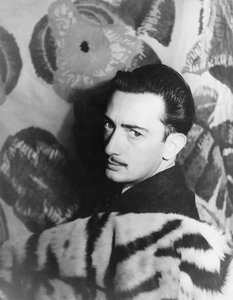
Beyond Picasso, the museum’s collection is dominated by the surrealist visions of Salvador Dalí. His works, such as *The Endless Enigma* and *Swans Reflecting Elephants*, offer a mesmerizing glimpse into his unique artistic world—a realm where dreamlike imagery intertwines with meticulous detail and unsettling juxtapositions.
Joan Miró’s whimsical and abstract paintings and sculptures also hold a prominent place within the museum's holdings, inviting viewers to lose themselves in his playful exploration of form and color. The collection doesn’t stop there; it includes significant works by other Spanish masters like Juan Gris, Eduardo Chillida, Antoni Tàpies, and Julio Romero de Torres.
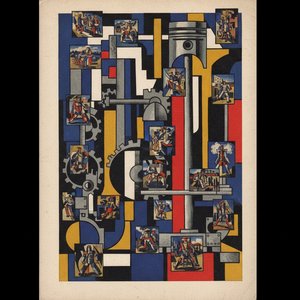
International art represented in the museum include works by Francis Bacon, Joseph Beuys, Pierre Bonnard, Georges Braque, Alexander Calder, Robert Delaunay, Max Ernst, Lucio Fontana, Sarah Grilo, Damien Hirst, Vasily Kandinsky, Paul Klee, Yves Klein, Fernand Léger, Jacques Lipchitz, René Magritte, Henry Moore, Bruce Nauman, Gabriel Orozco, Nam June Paik, Ray Gun Casey, and Wolfgang Tillmans.
The Museo Reina Sofía’s architectural journey is as compelling as its art collection. Initially conceived as a hospital in the late 18th century, the building underwent numerous modifications and expansions over the centuries before finally being repurposed as an art center in 1986. The original structure, designed by José de Hermosilla and his successor Francisco Sabatini who did the majority of the work, was a grand neoclassical edifice—a reflection of Madrid’s imperial ambitions.
However, it was in 1989 that the building underwent its most dramatic transformation, thanks to the visionary work of Ian Ritchie with the addition of three striking glass circulation towers. These towers aren’t merely functional; they are beacons of light and transparency, inviting visitors into the heart of artistic exploration.
Further expansion occurred in 2005 with the addition of a new wing designed by French architect Jean Nouvel. This extension not only significantly increased the museum’s floor space but also introduced innovative spaces for temporary exhibitions, auditoriums, and administrative offices. The integration of this modern element with the existing historic building creates a unique architectural dialogue—a harmonious blend of past and present that enhances the visitor experience.
The Museo Reina Sofía’s mission centers on showcasing Spanish art from the early 20th century onward, alongside international masterpieces. Its free-access library specializes in art, with a collection of over 100,000 books, over 3,500 sound recordings, and almost 1,000 videos.
What truly distinguishes the Museo Reina Sofía from other major museums is its dynamic approach to exhibition programming. While its permanent collection—anchored by iconic works like *Guernica*—undoubtedly draws visitors from around the globe, the museum consistently hosts a diverse range of temporary exhibitions that explore new themes and perspectives.
These exhibitions often delve into lesser-known artists, historical periods, or artistic movements, offering fresh insights for both seasoned art lovers and newcomers to the field. Furthermore, the Museo Reina Sofía actively seeks to engage with its community through educational programs, workshops, and public events.