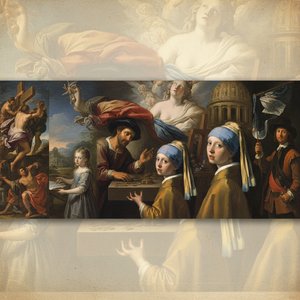
A Symphony of Baroque Grandeur and Rococo Elegance
Nestled in the verdant heart of Munich, Schloss Nymphenburg stands as a breathtaking testament to Bavarian royal history and an unparalleled achievement in European artistry. More than a mere palace, this sprawling summer residence offers an immersive journey back to the opulent eighteenth century, where the boundaries between architecture, nature, and fine art dissolved into a singular, magnificent experience. As one approaches the monumental estate, the sheer scale of the Baroque symmetry commands attention, reflecting the profound political ambitions and cultural aspirations of the House of Wittels_velsbach. The palace serves as a silent narrator of an era defined by Enlightenment ideals, where the pursuit of scientific knowledge flourished alongside the cultivation of aesthetic splendor.
The architectural narrative of Nymphenburg is one of continuous evolution and stylistic dialogue. Originally conceived in 1664 as a retreat for Maximilian I, the estate grew through the reigns of successive monarchs, eventually reaching a level of magnificence that rivals even the great Versailles. The central palace building embodies the stately principles of the Baroque, characterized by its commanding façade and rhythmic proportions. Yet, tucked within the expansive, meticulously landscaped gardens lies a more intimate stylistic counterpoint: the Amalienburg hunting lodge. Here, the rigid grandeur of the Baroque gives way to the playful, swirling ornamentation of the Rococo. This pavilion is a jewel box of light and color, featuring intricately carved furniture, shimmering fabrics, and delicate pastel hues that capture the whimsical spirit of the age.
Visual Treasures and Artistic Mastery
To wander through the halls of Schloss Nymphenburg is to walk through a living gallery of European masterpieces. The collection is particularly renowned for its vedute—panoramic cityscape paintings by the master Bernardo Bellotto. These monumental canvases capture Munich’s urban landscape with such startling precision and luminous detail that they act as windows into a lost world, showcasing the architectural majesty and daily rhythms of the Bavarian capital. Such works are not merely records of geography but are profound studies in light and perspective, offering collectors and art lovers an unparalleled glimpse into the soul of historical Munich.
The interior ceilings further elevate the experience, where the celestial meets the terrestrial through the masterful frescoes of Johann Baptist Zimmermann. His work within the palace transports viewers into fantastical realms of mythological narrative, where painted figures seem to float amidst clouds of gold and azure. This mastery of illusion is complemented by the exquisite craftsmanship found in the Marstallmuseum carriage collection, where the artistry of royal transport is preserved for eternity. For the interior designer or connoisseur, the palace serves as an ultimate reference point for how fine art can be integrated into a living environment to create atmosphere, prestige, and timeless beauty.
A Legacy of Craftsmanship and Preservation
The spirit of Nymphenburg extends far beyond its stone walls, reaching into the very fabric of Bavarian material culture. The enduring legacy of the Nymphenburg Porcelain Manufactory, founded in 1743, remains inextricably linked to the palace's history. This atelier, born from a desire to rival the famed Meissen production, brought a unique level of delicate beauty to the court through its soft-paste porcelain. The works of sculptors like Franz Anton Bustelli—characterized by graceful forms and witty, allegorical figures—mirror the Rococo elegance found within the palace's hunting lodges, creating a cohesive aesthetic language that spans both fine art and decorative object.
Today, Schloss Nymphenburg continues to serve as a vital cultural beacon through regular exhibitions that delve into the complexities of Bavarian royal life and the evolution of artistic traditions. Ongoing conservation efforts ensure that every gilded molding, every delicate fresco, and every manicured garden path remains as vibrant as it was during the height of the Wittelsbach era. For those seeking inspiration in the intersection of history, nature, and art, Nymphenburg offers a profound encounter with the enduring power of human creativity.