


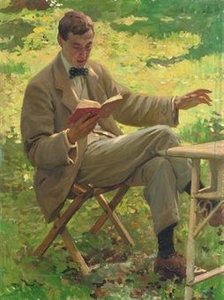

A Sanctuary of Spirit and Sinew: The Legacy of Sir Alfred Munnings
To step across the threshold of The Munnings Art Museum is to leave the modern world behind and enter a realm where the rhythmic pulse of equine life remains eternally preserved. Located in the enchanting village of Dedham, within the historic heart of Essex, this museum is far more than a mere repository for canvas and pigment; it is a living, breathing extension of the soul of Sir Alfred Munnings himself. As one wanders through Castle House, the former residence of the artist, there is an unmistakable sense of intimacy, as if the master painter has only just stepped away from his easel to tend to the horses in the nearby stables. The museum serves as a profound window into the golden age of British equestrian art, offering a sanctuary for those who find beauty in the powerful musculature of a galloping Thoroughbred and the tranquil grace of the English countryside.
The collection housed within these walls is nothing short of extraordinary, representing the only permanent retrospective of Munnings’ prolific output. Visitors are greeted by a breathtaking array of works that trace his remarkable stylistic journey, from the delicate, light-drenched nuances of his early Impressionistic landscapes to the more vigorous, textured brushstrokes that hint at Fauvist energy in his later years. The museum’s strength lies in its ability to showcase both the grand spectacle and the quiet moment. One might find themselves captivated by a large-scale, sweeping depiction of a racing event, where the dust and motion seem almost tangible, only to be moved by a tender, intimate portrait of a pony or a delicate preparatory sketch that reveals the artist's meticulous observation of light and form. For the collector or art lover, these works offer a rare glimpse into the technical mastery required to translate the raw vitality of animal behavior onto a static surface.
The architecture of the museum provides an essential narrative layer to the art it protects. Castle House, a charming structure that reflects the Victorian era, was Munnings’ chosen "House of Dreams," and its very bones are steeped in his creative process. The building is uniquely characterized by the presence of his bespoke Norfolk studio, which was famously transported piece by piece via train and reconstructed within the museum's gardens. This architectural feat allows visitors to experience the exact environment where many of his most celebrated masterpieces were conceived. The surrounding gardens, maintained with a devotion that mirrors Munnings’ own passion for the land, act as an outdoor gallery, blurring the lines between the painted landscape and reality. For interior designers and enthusiasts of classical aesthetics, the museum offers profound inspiration, demonstrating how art, architecture, and nature can coalesce into a singular, harmonious vision.
Beyond its permanent treasures, The Munnings Art Museum remains a vibrant center for scholarly inquiry and cultural engagement. Through rotating exhibitions that explore the artist's connections to broader movements—such as his relationship with the Impressionist circles of Monet and Renoir—the museum continues to illuminate Munnings’ place within the wider tapestry of art history. It is a place where research meets reverence, inviting a deeper understanding of how a single artist’s obsession can define an entire genre. Whether one is drawn by the historical weight of the archives, the nostalgic charm of the Tea Room, or the sheer emotive power of the equestrian subjects, the museum stands as a monumental tribute to a man who captured the very heartbeat of the English rural tradition.





