x


 Preview
 Encargar reproducción Comprar imagen en alta resolución
 Enviar
 Detalles
 Añadir a favoritos
 Descargar
 Similares
 Radiografía
 Presentación de diapositivas
 Óleo sobre lienzoArte de paredFauvism
 1905
1905 82.0 x 101.0 cm
 Museo Pushkin de Moscú
Impresión giclée o en lienzo de calidad de museo con producción rápida y opciones de acabado flexibles.





























Elija entre nuestros tamaños predefinidos que respetan las proporciones originales de la obra.

Puede introducir sus propias dimensiones para adaptarse a un marco o espacio específico. Si el tamaño seleccionado no coincide con las proporciones de la imagen original, recortaremos la obra de arte o extenderemos la imagen con un borde con efecto espejo o de color sólido. Se enviará una maqueta digital para su aprobación antes de que comience la producción.
Tenga en cuenta que la vista previa en pantalla no refleja el recorte o la extensión real. Solo la maqueta mostrará con precisión la composición final.
Aunque existen tamaños personalizados, recomendamos seleccionar una dimensión de la lista predefinida para preservar las proporciones originales.
Entrega mundial () en 2 semanas en lugar de las 4/5 semanas estándar. (25 julio)


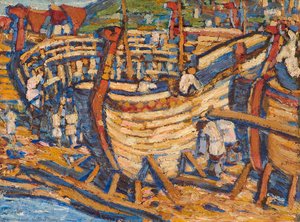
Drying the Sails
Tamaño de la reproducción
André Derain’s “Drying the Sails,” painted in 1905, isn't merely a depiction of a harbor scene; it’s an explosion of color and emotion—a quintessential embodiment of the Fauvist movement. Born from a confluence of artistic influences and a desire to break free from traditional representation, this painting captures a fleeting moment on the French coast, imbued with a raw energy that continues to resonate with viewers today. Derain, alongside Henri Matisse, spearheaded this revolutionary approach to art, prioritizing the subjective experience of color and light over strict adherence to realism. The work’s genesis lies in the summer of 1905, spent in Collioure, a vibrant port town on the Mediterranean coast – a location that profoundly shaped Derain's artistic vision.
The painting itself presents a bustling waterfront scene dominated by a collection of sailboats. These vessels aren’t rendered with meticulous detail; instead, they are simplified forms, their edges blurred and dissolving into washes of intense blues, greens, yellows, and reds. The sky is a swirling vortex of color, mirroring the energy of the water below. The figures present – fishermen, sailors, and onlookers – are equally abstracted, contributing to the overall sense of movement and dynamism. It’s important to note that Derain deliberately avoided precise observation, opting instead to translate his *feeling* of the scene onto the canvas.
To truly appreciate “Drying the Sails,” it's crucial to understand the context of Fauvism. Emerging at the turn of the 20th century, this movement rejected the muted tones and academic conventions of the past. Artists like Derain, Matisse, and Maurice de Vlaminck embraced bold, non-naturalistic colors – often using them purely for their expressive qualities. They believed that color could evoke emotions and sensations independently of its representation. This radical departure from tradition was initially met with criticism, earning the Fauves (meaning “wild beasts”) their provocative nickname. Derain’s use of vibrant hues in "Drying the Sails" is a prime example of this approach – colors are applied with abandon, creating a dazzling and almost hallucinatory effect.
Technically, Derain employed loose, expressive brushstrokes—a hallmark of Fauvist painting. The paint is applied thickly, often directly from the tube, resulting in a textured surface that adds to the sense of movement and immediacy. He utilized a technique known as “divisionism,” breaking down colors into smaller dots or patches, allowing the viewer’s eye to blend them together optically. This method further intensified the vibrancy of the palette and created an almost shimmering quality within the painting.
Beyond its technical innovations, “Drying the Sails” is rich in symbolic meaning. The act of drying sails represents a transition – from movement to stillness, from activity to rest. It’s a moment of pause amidst the bustle of harbor life, inviting contemplation. The intense colors can be interpreted as representing the energy and vitality of nature, while the simplified forms suggest a focus on essential shapes and rhythms. The painting isn't simply about depicting a scene; it’s about conveying an *experience* – a feeling of warmth, light, and perhaps even a hint of melancholy.
The painting’s emotional impact is undeniable. It evokes a sense of joy and exuberance, yet also hints at the transient nature of beauty and the inevitability of change. “Drying the Sails” remains a powerful testament to Derain's artistic vision and his pivotal role in shaping the course of modern art. Its legacy continues to inspire artists today, demonstrating the transformative power of color and emotion.


1880 - 1954 , Francia
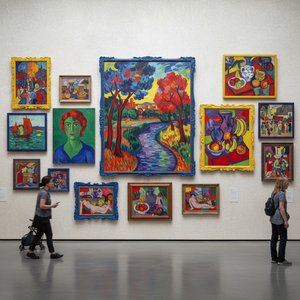
Descubre las 10 obras maestras del Fauvismo con Matisse, Derain y Vlaminck. Explora la historia, el color y la audacia de este movimiento artístico revolucionario. Reproducciones de arte exclusivas en .

Descubre las 25 obras maestras de Claude Monet, el padre del impresionismo. Explora la historia, técnica y belleza de sus paisajes, nenúfares y 'Impresión, sole levant'. Encuentra reproducciones de arte exclusivas en Most-Famous-Paintings.com.
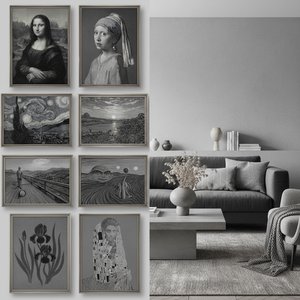
Descubre los 10 cuadros más famosos dominados por el gris. Explora la historia, técnica y significado de obras maestras de Monet, Van Gogh, Hopper y otros artistas icónicos. Encuentra reproducciones de arte en .

Descubre las 10 obras maestras del fauvismo que revolucionaron el arte. Explora la pasión, el color y la expresión de Matisse, Derain y más. Reproducciones de alta calidad en Most-Famous-Paintings.com.

Explore the revolutionary art of André Derain, co-founder of Fauvism. Discover his bold use of color, evolution from radical expressionism to classicism, and lasting influence on modern art history. Learn more at Most-Famous-Paintings.


Manténgase al día con las últimas noticias de arte, ofertas exclusivas e ideas de decoración.
Cuéntanos sobre tu proyecto y nuestros expertos en arte te ofrecerán 3 sugerencias de obras personalizadas.
Permítenos seleccionar 3 opciones solo para ti – ¡Gratis!


 Compartir

 Ver más







 La opción de vidrio solo está disponible en tamaños inferiores a 110 cm.