
Vende tu arte
Lista de deseos Carrito de compras Cart
x
Vista previaVista previa Vista previa en RAVista previa en RA Pedir impresión Pedir impresiónComprar descarga Comprar descarga CompartirCompartir
Ver detallesVer detalles Añadir a favoritos Añadir a favoritos DescargarDescargar Ver similaresVer similares RadiografíaRadiografía Presentación de diapositivasPresentación de diapositivas

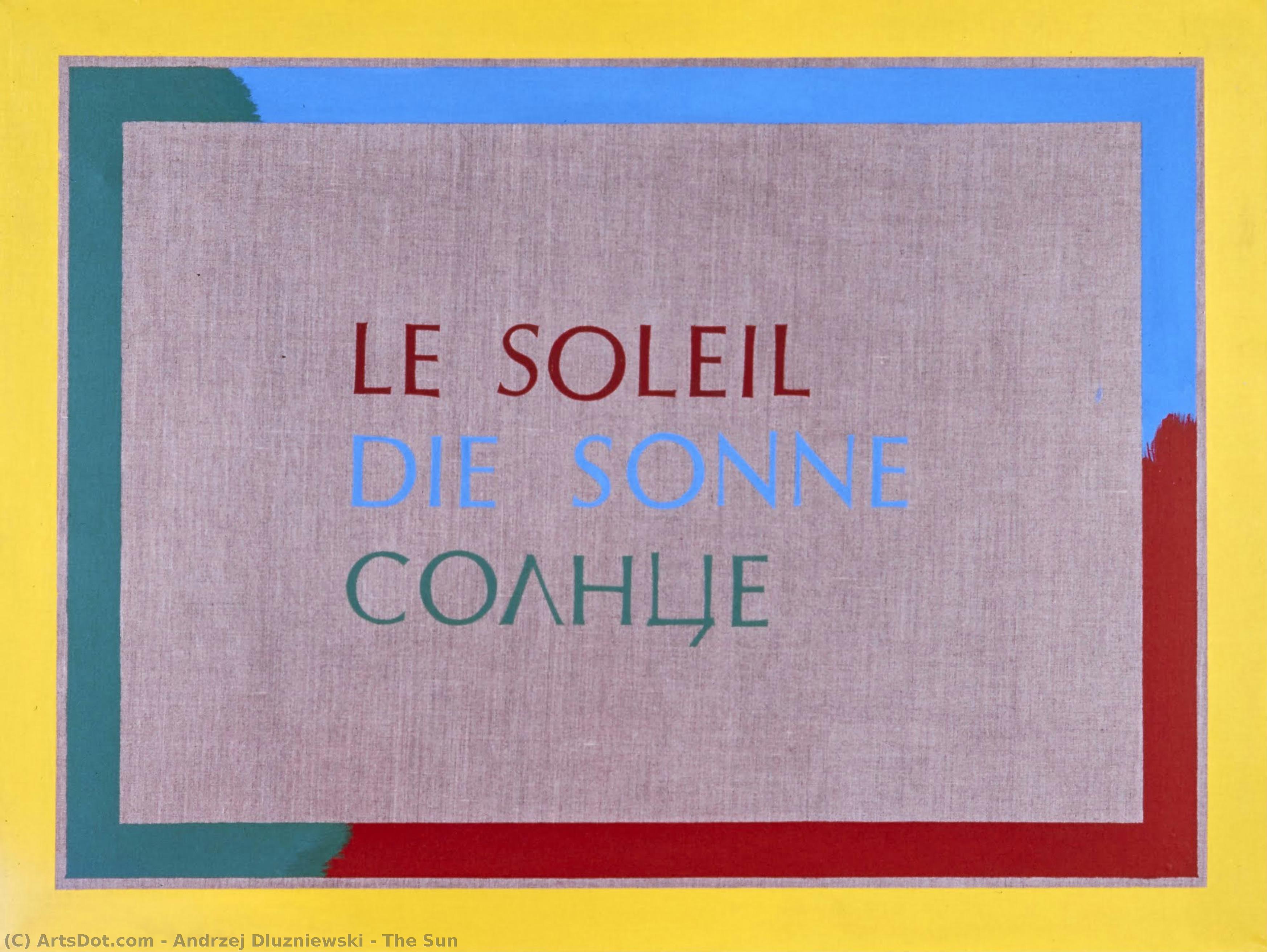
The Sun

Explore the monumental sculptures of Andrzej Dłużniewski, a celebrated Polish sculptor known for his powerful, evocative works exploring themes of nature & spirituality.

Reproducción al óleo hecha a mano

Óleo sobre lienzo pintado a mano en el tamaño y marco de su elección, realizado por encargo por nuestros artistas. (Pedir impresión Pedir impresiónComprar descarga Comprar descarga)

Standard
custom
CM
INCH

Elija entre nuestros tamaños predefinidos que respetan las proporciones originales de la obra.

ancho
altura

Puede ingresar sus propias dimensiones para adaptarse a un marco o espacio específico. Si el tamaño seleccionado no coincide con las proporciones de la imagen original, recortaremos la obra o extenderemos la pintura con elementos adicionales pintados a mano. Se le enviará una maqueta digital para su aprobación antes de comenzar la producción.
Tenga en cuenta que la vista previa en pantalla no refleja el recorte o la extensión reales. Solo la maqueta mostrará con precisión la composición final.
Si bien existen tamaños personalizados, recomendamos seleccionar una dimensión de la lista predefinida para preservar las proporciones originales.

Ejemplos de lo que se puede personalizar: Reemplace el rostro con una foto del cliente; Agregue una mascota (por ejemplo, cambie un gato por un perro); Incluya un mensaje oculto en el fondo; Cambie el paisaje o los elementos del fondo.
Tras realizar el pedido, el equipo de Most-Famous-Paintings.com enviará un correo electrónico al cliente para solicitar instrucciones y proporcionarle una vista previa del boceto.

Envío a todo el mundo () en 3-4 semanas en lugar de las 5 semanas estándar. (20 agosto). Sin comprometer la calidad.

why_choose_icon
Envío exprés gratuito a todo el mundo
why_choose_icon
Lienzo de lino de alta calidad
why_choose_icon
Seguro de envío completo
why_choose_icon
Garantía de reembolso de aranceles aduaneros
why_choose_icon
Garantía de fidelidad cromática exacta
why_choose_icon
Política de devolución de 60 días (solo por defectos)
why_choose_icon
Garantía de devolución del 100% del dinero
why_choose_icon
Oferta por volumen

Precio total

$ 272

reproduction

The Sun

Técnica de reproducción

Tamaño de la reproducción

-

Precio total

$ 272


Biografía del artista

Andrzej Dłużniewski: Sculpting the Unseen

Andrzej Dłużniewski (1939-2012) stands as a towering figure in contemporary Polish sculpture, an artist whose profound impact extends far beyond the purely visual. Often described as a poet of form and material, he carved a unique space for himself within the art world—one characterized by intellectual rigor, symbolic depth, and a persistent questioning of perception. Born in Poznań, Poland, Dłużniewski’s artistic journey was shaped not only by formal training but also by a deeply ingrained philosophical sensibility, a willingness to challenge conventional notions of representation, and an enduring fascination with the interplay between language, image, and reality. His career spanned nearly six decades, marked by a constant evolution in style and technique, culminating in works that are both monumental in scale and intensely intimate in their exploration of human experience.

Early Influences and Artistic Formation

Dłużniewski’s artistic trajectory began with studies at the Wrocław University of Technology, initially focused on architecture—a discipline that instilled within him a fundamental understanding of spatial relationships and structural principles. However, his true calling lay in sculpture, leading him to pursue further education at the Warsaw Academy of Fine Arts under the tutelage of prominent figures like Marian Wnuk and Oskar Hansen. These formative years were crucial, exposing him to diverse artistic approaches—from the expressive dynamism of Wnuk’s work to the conceptual rigor of Hansen’s design philosophy. Crucially, his time in Warsaw also coincided with a period of significant social and political change in Poland, an environment that fostered critical thinking and a desire to engage with pressing societal issues through art. The influence of Fluxus, a loosely organized international artistic movement emphasizing spontaneity, collaboration, and the blurring of boundaries between art and life, is evident in his early explorations of performance and object-based sculpture.

The Language of Form: Iconograms and Beyond

A defining characteristic of Dłużniewski’s oeuvre is his deliberate manipulation of language within the visual realm. His series of “Iconograms” (1974), exhibited at Foksal Gallery in Warsaw, exemplifies this approach. These meticulously crafted works—featuring fifty-five pieces that combined images with text—demonstrated a profound understanding of semiotics and the ways in which meaning is constructed through the interplay of symbols. The title itself suggests a desire to move beyond literal representation, hinting at a deeper, more elusive truth. Later, in 1978, he produced “Image of an Absent Picture,” a photographic documentation of a blank wall—a seemingly simple gesture that nonetheless interrogated the very nature of perception and the role of the artist’s intervention. This work, along with his exploration of grammatical gender in language (“Rodzaj i cień”, 1984-1994), reveals a sustained interest in deconstructing established systems of thought and exposing their inherent contradictions.

A World Without Sight: The Geonauts and the Shift in Perspective

The tragic loss of Dłużniewski’s sight in 1997 marked a pivotal moment in his artistic practice, forcing him to re-evaluate his relationship with form and space. Remarkably, rather than succumbing to despair, he embraced this new sensory experience, creating an astonishing body of work—including the miniature bronze sculptures known as “Geonauts” (1998-2004)—that are imbued with a unique poignancy and depth. These tiny figures, seemingly poised on the brink of departure, represent a profound meditation on human existence, mortality, and the search for meaning in an indifferent universe. The creation of these sculptures, often undertaken with the assistance of his wife and son, became a deeply collaborative process—a testament to the enduring power of artistic connection.

Legacy and Historical Significance

Andrzej Dłużniewski’s legacy extends far beyond the confines of the Polish art world. His work has been exhibited internationally, earning him critical acclaim and recognition as one of the most important sculptors of his generation. He was awarded the Katarzyna Kobro Award (2003) and the Jan Cybis Award (2006), both prestigious accolades recognizing his contributions to contemporary art. More importantly, Dłużniewski’s artistic practice serves as a powerful reminder of the transformative potential of art—its ability to challenge assumptions, provoke thought, and offer new perspectives on the world around us. His willingness to embrace ambiguity, to question established conventions, and to explore the hidden depths of human experience ensures that his work will continue to resonate with audiences for generations to come. He remains a sculptor who dared to sculpt the unseen, revealing profound truths through the language of form.
andrzej dluzniewski

andrzej dluzniewski

1939 - 2012 , Poland

Datos clave

  • Artistic Movement Or Style: Monumental sculpture
  • Artists Or Movements Influenced By This Artist: ['Fluxus']
  • Artists Who Influenced This Artist: ['Oskar Hansen']
  • Date Of Birth: August 3, 1939
  • Date Of Death: December 16, 2012
  • Full Name: Andrzej Dłużniewski
  • Nationality: Polish
  • Notable Artworks:
    • The Sun
    • Geonauts
    • Iconograms
  • Place Of Birth: Poznań, Poland





































