x


 Preview
 Encargar reproducción Comprar imagen en alta resolución
 Enviar
 Detalles
 Añadir a favoritos
 Descargar
 Similares
 Radiografía
 Presentación de diapositivas
Impresión giclée o en lienzo de calidad de museo con producción rápida y opciones de acabado flexibles.





























Elija entre nuestros tamaños predefinidos que respetan las proporciones originales de la obra.

Puede introducir sus propias dimensiones para adaptarse a un marco o espacio específico. Si el tamaño seleccionado no coincide con las proporciones de la imagen original, recortaremos la obra de arte o extenderemos la imagen con un borde con efecto espejo o de color sólido. Se enviará una maqueta digital para su aprobación antes de que comience la producción.
Tenga en cuenta que la vista previa en pantalla no refleja el recorte o la extensión real. Solo la maqueta mostrará con precisión la composición final.
Aunque existen tamaños personalizados, recomendamos seleccionar una dimensión de la lista predefinida para preservar las proporciones originales.
Entrega mundial () en 2 semanas en lugar de las 4/5 semanas estándar. (25 julio)


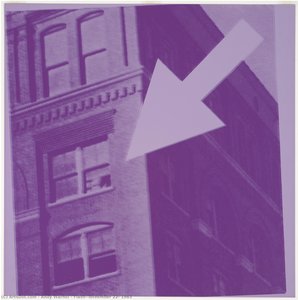
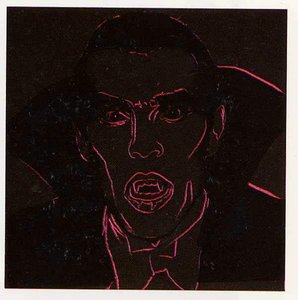
Flash—November 22
Tamaño de la reproducción
Andy Warhol’s ‘Flash—November 22, 1963’ isn’t a painting in the traditional sense; it's a visceral reaction captured in eleven screenprints, a fragmented memorial to a nation irrevocably altered. Created in 1968, five years after the assassination of President John F. Kennedy, this series isn’t about the event itself, but rather about *how* we consumed that event – through the relentless churn of mass media. Warhol doesn’t offer grief; he presents its packaging, the way tragedy was filtered and disseminated to a stunned public. The work stands as a chilling commentary on desensitization, the blurring lines between reality and representation, and the burgeoning power of image-making in shaping collective memory.
The title itself, “Flash—November 22, 1963,” evokes the urgent language of news bulletins, the staccato bursts of information that interrupted everyday life. Warhol deliberately sourced his imagery from campaign posters, newspaper photographs, and advertisements – the very materials that flooded homes across America in those days of mourning. He wasn’t interested in creating a heroic portrait or a solemn elegy; instead, he replicated the visual noise surrounding the assassination, presenting Kennedy's image alongside that of Lee Harvey Oswald, the Presidential Seal, even the gun used in the shooting. This deliberate juxtaposition is deeply unsettling. The repetition inherent in the screenprinting process further amplifies this effect, mimicking the relentless replay of images on television screens and in newspapers. Each print feels less like an individual artwork and more like a frame from an endless loop, a haunting echo of that fateful day.
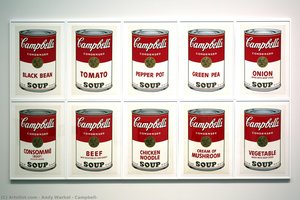
Warhol's choice of subject matter was particularly provocative for the Pop Art movement, which had largely focused on consumer culture and celebrity iconography. While his earlier works celebrated the vibrancy of everyday objects like Campbell’s Soup cans and Coca-Cola bottles, ‘Flash—November 22, 1963’ plunged into a far darker territory. It challenged the notion that art should be purely aesthetic or celebratory, forcing viewers to confront uncomfortable truths about violence, loss, and the manipulative power of media. The series is a stark departure from the glossy optimism often associated with Pop Art, revealing its potential for social critique. Warhol himself confessed his initial detachment from the event, stating he was more disturbed by the *way* television dictated public emotion than by Kennedy’s death itself – a sentiment that permeates every print in the series.
‘Flash—November 22, 1963’ remains profoundly relevant today. In an age saturated with information and increasingly reliant on visual media, Warhol's work serves as a prescient warning about the dangers of passive consumption and the erosion of genuine emotional connection. The series doesn’t offer answers or closure; it presents a fragmented, unsettling portrait of a nation grappling with trauma. It is a powerful reminder that images are not neutral representations of reality but rather constructed narratives that shape our perceptions and influence our understanding of the world. Owning a reproduction of this work isn’t simply acquiring an iconic piece of art history; it’s inviting a dialogue about memory, media, and the enduring impact of tragedy.
Warhol’s fascination with Kennedy stemmed from his admiration for the President's charisma and youthful idealism. He viewed Kennedy as embodying the best of American leadership—a figure who captivated the public imagination and championed progressive values.
The screenprints themselves are executed in a technique known as silkscreen printing, which Warhol pioneered. This method involves transferring ink onto paper through a stencil, resulting in multiple identical impressions. The repetitive process underscores Warhol’s preoccupation with mass production and consumer culture—themes central to Pop Art’s critique of postwar American society.
Warhol's deliberate selection of imagery—campaign posters, newspaper photographs, advertisements—reflects the pervasive influence of media on public consciousness during the Kennedy assassination era. He aimed not to glorify heroism but to expose the unsettling reality of how tragedy was disseminated and consumed by a nation grappling with grief.
The series’ enduring significance lies in its ability to provoke contemplation about memory, representation, and the role of visual culture in shaping our understanding of historical events. Warhol's work serves as a cautionary tale against complacency and encourages viewers to question how images contribute to—and sometimes distort—our perceptions of reality.

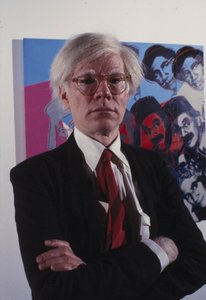
1928 - 1987 , Estados Unidos de América
Descubre las 25 obras maestras de Andy Warhol, ícono del arte pop. Explora la historia detrás de Marilyn Monroe, Campbell's Soup Cans y más. Reproducciones de alta calidad para tu hogar en Most-Famous-Paintings.com. ¡Inspírate con el arte moderno!
Descubre los 10 iconos del Pop Art: Warhol, Lichtenstein y más. Explora la historia, técnica y significado de estas obras maestras que revolucionaron el arte moderno. Encuentra reproducciones exclusivas en .

Descubre las 25 obras maestras del MET de Nueva York: Van Gogh, Monet, Rembrandt y más. Explora la historia, el arte y los colores que inspiran tu hogar. Reproducciones de museo en Most-Famous-Paintings.com.
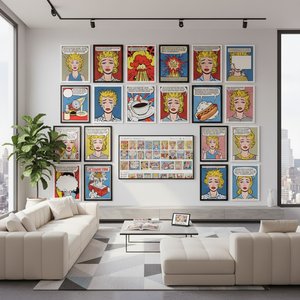
Descubre las 25 obras maestras de Roy Lichtenstein, ícono del Pop Art. Explora su innovadora técnica, colores vibrantes y el impacto cultural de sus cuadros más famosos. Reproducciones de arte exclusivas en Most-Famous-Paintings.com.

Descubra la fascinante historia del Pop Art: orígenes, artistas clave como Warhol y Lichtenstein, técnicas innovadoras y su impacto duradero en el arte y la cultura. Guía experta para coleccionistas.


Manténgase al día con las últimas noticias de arte, ofertas exclusivas e ideas de decoración.
Cuéntanos sobre tu proyecto y nuestros expertos en arte te ofrecerán 3 sugerencias de obras personalizadas.
Permítenos seleccionar 3 opciones solo para ti – ¡Gratis!


 Compartir


 Ver más







 La opción de vidrio solo está disponible en tamaños inferiores a 110 cm.