x

Adquiera una imagen digital de alta resolución y optimizada, muy superior a la vista previa en línea.
Cada archivo es preparado meticulosamente por nuestros especialistas internos mediante el uso de herramientas avanzadas y un experto retoque manual. Nos aseguramos de que cada imagen posea una claridad excepcional, una precisión cromática impecable y un detalle minucioso.
El archivo final se entrega por correo electrónico en un plazo de 72 horas, optimizado para su uso inmediato en entornos profesionales, editoriales y de impresión. Esta es la misma calidad en la que confían los estudios de diseño, las editoriales y las galerías de primer nivel.
Descarga un archivo de alta resolución para exhibición personal, impresión y proyectos creativos. ( Pedir impresión Encargar reproducción pintada a mano)
Al elegir Most-Famous-Paintings.com, no solo está adquiriendo una imagen; está recibiendo una obra de arte digital mejorada profesionalmente, elaborada con precisión y respaldada por una garantía de satisfacción. Esto es todo lo que incluye su pedido, automáticamente:

Recibirá su archivo de imagen digital en alta resolución por correo electrónico en un plazo de 72 horas tras realizar su pedido, listo para su uso inmediato.

Su obra de arte se optimiza profesionalmente mediante herramientas avanzadas de IA y edición manual, garantizando el máximo detalle, claridad y precisión cromática.

¿Has borrado o perdido tu archivo por error? No te preocupes: te lo volveremos a enviar en cualquier momento, sin coste adicional.

Disfrute de su obra de arte al instante sin aduanas, aranceles ni gastos de envío; las descargas digitales siempre están libres de impuestos.

Garantizamos que su imagen digital refleje los colores originales con la mayor fidelidad posible, mediante el uso de herramientas profesionales y gestión del color.

Si no está satisfecho con su imagen digital, la revisaremos o le reembolsaremos el 100% en un plazo de 60 días, sin preguntas.

¿No está satisfecho? Obtenga un reembolso completo dentro de los 60 días posteriores a la recepción de su archivo digital, sin necesidad de explicaciones.

Compra 3 imágenes, ahorra 10% - Compra 5, ahorra 15% - Compra 10+, ahorra 20%. Ideal para proyectos creativos, galerías y agencias.
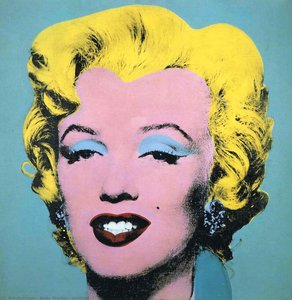
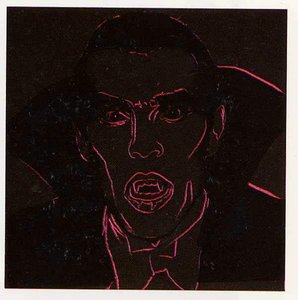
Andy Warhol's "Flash—November 22, 1963" isn’t simply an image; it’s a haunting echo of a nation’s collective trauma. Created in 1968, five years after the assassination of President John F. Kennedy, this series of screenprints doesn’t attempt to *depict* the event itself, but rather to dissect and reflect upon its pervasive presence in the media landscape. The stark black and white photograph featured within the series—a man in a suit, gazing directly at the viewer—becomes a vessel for our own memories and anxieties surrounding that fateful day. It’s a face stripped of context, yet brimming with unspoken emotion, forcing us to confront not just the tragedy, but *how* we processed it.
Warhol, having risen through the ranks of commercial illustration, possessed an acute understanding of mass production and its impact on perception. “Flash—November 22, 1963" is part of a larger series of eleven screenprints, each drawing from campaign posters, news photographs, and advertisements circulating at the time. This deliberate repetition mirrors the relentless media coverage that saturated American homes in November 1963, creating a sense of overwhelming information and emotional fatigue. The image itself, seemingly straightforward, is imbued with a chilling detachment, reflecting Warhol’s observation that television had “programmed everybody to feel so sad,” even if the feeling felt manufactured or imposed.
While appearing devoid of overt symbolism, the power of "Flash—November 22, 1963" lies in its deliberate ambiguity. The man’s suit and tie suggest authority and formality, perhaps representing the political establishment irrevocably altered by the assassination. His direct gaze challenges the viewer, demanding acknowledgement of the event’s lasting impact. The blurry background further emphasizes this sense of disorientation and loss of clarity—a visual metaphor for a nation struggling to make sense of an unthinkable act. The series as a whole is accompanied by Teletype reports, adding another layer of textual information that underscores Warhol’s exploration of how media shapes our understanding of reality. It's not about the *truth* of Kennedy’s death, but the constructed narrative surrounding it.
Andy Warhol was a pivotal figure in the Pop Art movement, challenging traditional notions of artistic value and subject matter. He elevated everyday objects and images—soup cans, celebrities, news headlines—to the realm of high art, forcing viewers to reconsider their relationship with consumer culture and mass media. “Flash—November 22, 1963" exemplifies this approach, transforming a deeply personal tragedy into a commentary on the spectacle of grief and the power of visual communication. Today, his work continues to resonate because it speaks to our contemporary obsession with celebrity, image, and the constant bombardment of information. A reproduction of this piece isn’t just an aesthetic addition to a space; it's a conversation starter, a reminder of a pivotal moment in history, and a testament to Warhol’s enduring artistic vision.
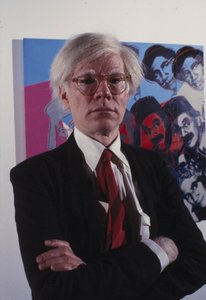
1928 - 1987 , Estados Unidos de América


Manténgase al día con las últimas noticias de arte, ofertas exclusivas e ideas de decoración.
Cuéntanos sobre tu proyecto y nuestros expertos en arte te ofrecerán 3 sugerencias de obras personalizadas.
Dejamos que nosotros seleccionemos 3 opciones exclusivas para ti – ¡Gratis!


 Vista previa
 Compartir
 Compartir
 Ver detalles

 Descargar
 Ver similares
 Radiografía
 Presentación de diapositivas

 Leer más