x


 Encargar reproducción Comprar imagen en alta resolución
 Enviar
 Detalles
 Añadir a favoritos
 Descargar
 Similares
 Radiografía
 Presentación de diapositivas
Impresión giclée o en lienzo de calidad de museo con producción rápida y opciones de acabado flexibles.





























Elija entre nuestros tamaños predefinidos que respetan las proporciones originales de la obra.

Puede introducir sus propias dimensiones para adaptarse a un marco o espacio específico. Si el tamaño seleccionado no coincide con las proporciones de la imagen original, recortaremos la obra de arte o extenderemos la imagen con un borde con efecto espejo o de color sólido. Se enviará una maqueta digital para su aprobación antes de que comience la producción.
Tenga en cuenta que la vista previa en pantalla no refleja el recorte o la extensión real. Solo la maqueta mostrará con precisión la composición final.
Aunque existen tamaños personalizados, recomendamos seleccionar una dimensión de la lista predefinida para preservar las proporciones originales.
Entrega mundial () en 2 semanas en lugar de las 4/5 semanas estándar. (22 julio)


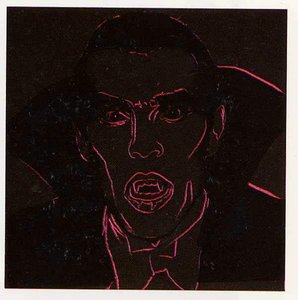
La Bruja 261
Tamaño de la reproducción
Andy Warhol's 1981 screenprint, “The Witch,” is far more than a simple depiction of a fairytale villain; it’s a vibrant collision of pop culture iconography and the artist’s signature exploration of fame, representation, and the very nature of myth. Emerging from his *Myths* series, this work doesn't merely illustrate the Wicked Witch of the West—it dissects her, re-presenting her through the cool, detached lens of Warhol’s pop aesthetic. The image is instantly recognizable, a bold, graphic rendering that draws directly on our collective memory of Margaret Hamilton’s unforgettable performance in *The Wizard of Oz*. But to see it filtered through Warhol’s silkscreen process is to experience the character anew—stripped of narrative context and elevated to the status of a modern icon.
Warhol’s choice of screenprinting as his medium is crucial to understanding “The Witch.” The technique, with its flat planes of color and slightly imperfect registration, lends itself perfectly to the artist's fascination with mass production. It echoes the very mechanisms that create and disseminate celebrity—the endless reproduction of images until they become ingrained in our consciousness. The limited palette – a striking contrast between vibrant green, deep purple, and stark black – amplifies the image’s impact. The witch’s skin is an almost unnatural shade of green, immediately signaling her otherness, while the bold outlines and geometric shapes contribute to the work’s graphic quality. Notice how Warhol doesn’t attempt naturalism; instead, he distills the character down to its essential elements: the pointed hat, the exaggerated expression, the menacing glare. The addition of diamond dust further elevates the print, imbuing it with a subtle shimmer that hints at both glamour and artifice.
The *Myths* series as a whole reveals Warhol’s interest in archetypes—figures who embody universal themes and anxieties. By selecting characters like Superman, Mickey Mouse, and Dracula alongside the Wicked Witch, he places her within a pantheon of cultural icons. But why this particular witch? Perhaps it's her enduring power as a symbol of female villainy, or maybe Warhol was drawn to the theatricality of Hamilton’s performance. The exaggerated expression—the wide-open mouth frozen in a maniacal laugh—suggests not just malice but also a performative quality, a sense that the witch is *playing* at being wicked. Warhol's work often blurred the lines between reality and representation, and “The Witch,” exemplifies this perfectly. He doesn’t simply show us a witch; he shows us an image of a witch, filtered through layers of media and cultural expectation.
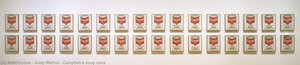
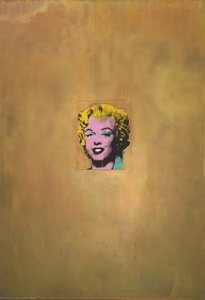
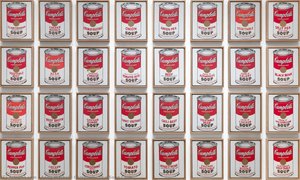
Andy Warhol fundamentally altered the landscape of 20th-century art. Born in Pittsburgh in 1928 to Slovakian immigrant parents, his early life was marked by illness and a burgeoning interest in drawing. After establishing himself as a successful commercial illustrator in New York, he turned his attention to fine art, embracing the imagery of consumer culture with unparalleled boldness. His silkscreen prints of Campbell’s Soup cans and Marilyn Monroe became instant classics, challenging traditional notions of artistic subject matter and technique. “The Witch,” created towards the end of his life (he passed away in 1987), stands as a testament to his enduring vision—a playful yet profound exploration of image, myth, and the power of pop culture. Owning a reproduction of this iconic work isn’t just acquiring a beautiful piece of art; it’s possessing a fragment of cultural history, a vibrant reminder of Warhol’s revolutionary impact on the world.

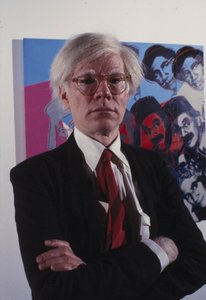
1928 - 1987 , Estados Unidos de América
Descubre las 25 obras maestras de Andy Warhol, ícono del arte pop. Explora la historia detrás de Marilyn Monroe, Campbell's Soup Cans y más. Reproducciones de alta calidad para tu hogar en Most-Famous-Paintings.com. ¡Inspírate con el arte moderno!
Descubre los 10 iconos del Pop Art: Warhol, Lichtenstein y más. Explora la historia, técnica y significado de estas obras maestras que revolucionaron el arte moderno. Encuentra reproducciones exclusivas en .

Descubre las 25 obras maestras del MET de Nueva York: Van Gogh, Monet, Rembrandt y más. Explora la historia, el arte y los colores que inspiran tu hogar. Reproducciones de museo en Most-Famous-Paintings.com.
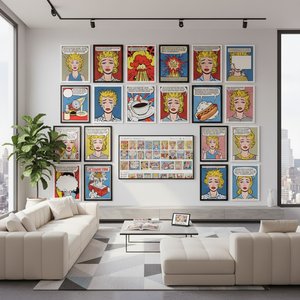
Descubre las 25 obras maestras de Roy Lichtenstein, ícono del Pop Art. Explora su innovadora técnica, colores vibrantes y el impacto cultural de sus cuadros más famosos. Reproducciones de arte exclusivas en Most-Famous-Paintings.com.

Descubra la fascinante historia del Pop Art: orígenes, artistas clave como Warhol y Lichtenstein, técnicas innovadoras y su impacto duradero en el arte y la cultura. Guía experta para coleccionistas.


Manténgase al día con las últimas noticias de arte, ofertas exclusivas e ideas de decoración.
Cuéntanos sobre tu proyecto y nuestros expertos en arte te ofrecerán 3 sugerencias de obras personalizadas.
Permítenos seleccionar 3 opciones solo para ti – ¡Gratis!


 Compartir


 Ver más







 La opción de vidrio solo está disponible en tamaños inferiores a 110 cm.