


x


 Preview
 Encargar reproducción Comprar imagen en alta resolución
 Enviar
 Detalles
 Añadir a favoritos
 Descargar
 Similares
 Radiografía
 Presentación de diapositivas
Impresión giclée o en lienzo de calidad de museo con producción rápida y opciones de acabado flexibles.





























Elija entre nuestros tamaños predefinidos que respetan las proporciones originales de la obra.

Puede introducir sus propias dimensiones para adaptarse a un marco o espacio específico. Si el tamaño seleccionado no coincide con las proporciones de la imagen original, recortaremos la obra de arte o extenderemos la imagen con un borde con efecto espejo o de color sólido. Se enviará una maqueta digital para su aprobación antes de que comience la producción.
Tenga en cuenta que la vista previa en pantalla no refleja el recorte o la extensión real. Solo la maqueta mostrará con precisión la composición final.
Aunque existen tamaños personalizados, recomendamos seleccionar una dimensión de la lista predefinida para preservar las proporciones originales.
Entrega mundial () en 2 semanas en lugar de las 4/5 semanas estándar. (25 julio)


The Cyclops Polyphemus
Tamaño de la reproducción
Annibale Carracci’s *The Cyclops Polyphemus*, completed in 1605, stands as a cornerstone of Baroque art—a dramatic distillation of classical mythology infused with the fervor and theatricality characteristic of Rome under Pope Paul V. Located within Palazzo Farnese, Rome, this fresco isn't merely a depiction of Homer’s epic tale; it’s an immersive experience designed to provoke awe and instill fear, mirroring the artistic ambitions of its time.
Carracci’s stylistic approach—a masterful blend of Florentine linear draftsmanship inherited from Raphael and Venetian coloristic exuberance—immediately distinguishes itself. He eschewed the idealized forms favored by Renaissance artists, opting instead for a palpable sense of physicality and emotional intensity. The artist's technique involved meticulous layering of pigments onto wet plaster, creating a luminous surface that captures both light and shadow with breathtaking precision – a hallmark of chiaroscuro championed by Michelangelo.
The narrative itself recounts Polyphemus’s relentless pursuit of Acis and Galatea, portraying the monstrous Cyclops as a formidable adversary armed with a bow and arrow. Carracci skillfully utilizes dramatic lighting to heighten tension, casting harsh shadows that emphasize Polyphemus's grotesque features and conveying the desperation of his victims. The composition is carefully balanced, guiding the viewer’s gaze across the scene and amplifying its emotional impact.
Beyond its captivating visual drama, *The Cyclops Polyphemus* resonates with profound symbolic meaning. Polyphemus embodies primal savagery—a rejection of civilized restraint—while Acis and Galatea represent innocence and vulnerability. Carracci’s depiction underscores the enduring fascination with themes of heroism, terror, and moral struggle – anxieties prevalent during the Counter Reformation.
Carracci's influence extended far beyond Palazzo Farnese. His workshop served as a training ground for future Baroque masters like Domenichino and Guido Reni, disseminating his innovative techniques and stylistic sensibilities throughout Italy. The fresco’s bold use of color and expressive gesture established new standards for artistic representation, propelling Baroque art to unprecedented heights of grandeur and emotional resonance.
Carracci's mastery of fresco technique is evident in the remarkable durability of *The Cyclops Polyphemus*. The pigments bind permanently to the plaster surface, ensuring that its vibrant colors retain their luminosity for centuries. When considering reproductions, it’s crucial to utilize archival-quality materials—such as pigment dispersions and substrates—to faithfully capture the original artwork's essence.
Reproductions should prioritize accurate color rendition and textural detail, striving to convey not only what was seen but also how it *felt*. High-resolution prints or canvases offer optimal visual fidelity, allowing viewers to appreciate Carracci’s artistic genius from afar—a testament to the enduring power of Baroque art.
*The Cyclops Polyphemus* remains a captivating exemplar of Baroque artistry—a masterpiece that continues to inspire admiration and provoke contemplation. Its masterful composition, evocative lighting, and profound symbolic depth solidify Carracci’s place among the titans of Italian Renaissance art.


1560 - 1609 , Italia

Explore the dramatic world of Baroque art! Discover iconic artists like Caravaggio & Rubens, defining techniques, and its lasting impact on art history. Expert insights for collectors & enthusiasts at Most-Famous-Paintings.

Explore the profound history of grief in art, from Renaissance masterpieces to Baroque drama. Discover how artists captured loss, mourning & faith through powerful imagery. Expert insights at Most-Famous-Paintings.

Explore the profound history of grief in art with Most-Famous-Paintings. Discover Renaissance & Baroque masterpieces depicting loss, mourning, and faith. Expert insights & handmade reproductions available.

Explore the dramatic world of Baroque art! Discover iconic masters like Caravaggio & Rembrandt, their techniques, and the movement's lasting impact. Expert insights for collectors & enthusiasts at Most-Famous-Paintings.
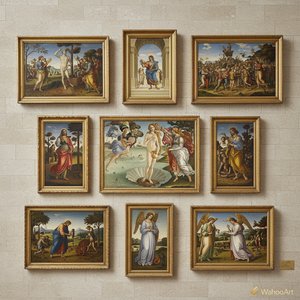
Descubre los 10 maestros del Renacimiento Temprano: Botticelli, Leonardo da Vinci y más. Explora la historia, técnica y belleza de obras icónicas italianas. Reproducciones de arte exclusivas en .


Manténgase al día con las últimas noticias de arte, ofertas exclusivas e ideas de decoración.
Cuéntanos sobre tu proyecto y nuestros expertos en arte te ofrecerán 3 sugerencias de obras personalizadas.
Permítenos seleccionar 3 opciones solo para ti – ¡Gratis!


 Compartir


 Ver más







 La opción de vidrio solo está disponible en tamaños inferiores a 110 cm.


