


x

 Oil On CanvasWallArtExpressionist Landscape
 1943Modern
 115.0 x 99.0 cm
Impresiones giclée o en lienzo de calidad de museo con producción rápida y opciones de acabado flexibles. ( Encargar reproducción pintada a mano Comprar descarga)





























Elija entre nuestros tamaños predefinidos que respetan las proporciones originales de la obra.

Puede introducir sus propias dimensiones para adaptarse a un marco o espacio específico. Si el tamaño seleccionado no coincide con las proporciones de la imagen original, recortaremos la obra de arte o extenderemos la imagen con un borde con efecto espejo o de color sólido. Se enviará una maqueta digital para su aprobación antes de que comience la producción.
Tenga en cuenta que la vista previa en pantalla no refleja el recorte o la extensión real. Solo la maqueta mostrará con precisión la composición final.
Aunque existen tamaños personalizados, recomendamos seleccionar una dimensión de la lista predefinida para preservar las proporciones originales.
Envío a todo el mundo () en 2 semanas en lugar de las 4/5 semanas estándar. (22 agosto)


Gotteron
Tamaño de la reproducción
Balthus’s 1943 painting, *Gotteron*, is not merely a depiction of a forest; it’s an immersion in atmosphere, a carefully constructed descent into the unsettling heart of Expressionist emotion. Executed during a pivotal moment in his career, this black and white canvas – measuring 115 x 99 cm – reveals Balthus's profound understanding of form, light, and shadow, combined with a deeply personal and often unnerving vision. The painting’s stark simplicity—trees, rocks, and the encroaching darkness—amplifies its impact, forcing the viewer to confront the primal anxieties embedded within the natural world.
*Gotteron* is replete with symbolic weight, inviting contemplation on the relationship between humanity and nature. The forest itself becomes a metaphor for the unconscious – a place of both beauty and danger, where reason yields to instinct. The towering trees, rendered in stark detail, suggest an imposing, almost malevolent presence, while the scattered rocks represent obstacles and challenges. The absence of any discernible light source further contributes to the painting’s sense of mystery and foreboding, suggesting a realm beyond human comprehension.
Balthus’s *Gotteron* is more than just a painting; it’s a testament to his unique artistic vision and his profound understanding of human emotion. His work, highly sought after by collectors and art enthusiasts alike, continues to captivate audiences with its unsettling beauty and psychological depth. A hand-painted reproduction of this iconic piece offers an unparalleled opportunity to experience the power and artistry of Balthus’s genius in your own space. Its dimensions (115 x 99 cm) make it suitable for a variety of interior design settings, from grand salons to smaller, more intimate rooms. The painting's enduring appeal lies in its ability to evoke a profound emotional response – a reminder of the darkness and beauty that reside within us all.

Balthasar Klossowski de Rola, conocido artísticamente como Balthus, nació el 29 de febrero de 1908 en París. Sus primeros años estuvieron marcados por una rica herencia cultural gracias a su familia. Su padre, Erich Klossowski, era un destacado historiador del arte, y su madre, Elisabeth Dorothea Spiro (conocida como Baladine Klossowska), formaba parte de la élite artística parisina. El hermano mayor de Balthus, Pierre Klossowski, fue un filósofo influenciado por los escritos del Marqués de Sade.
La carrera artística de Balthus comenzó a tomar forma en la década de 1930 con su primera exposición en París en 1934, que presentaba obras como La lección de guitarra, la cual generó controversia debido a sus imágenes sexualmente explícitas. Este trabajo temprano estuvo influenciado por pintores del Quattrocento y las obras de Emily Brontë, Lewis Carroll y Simone Martini.
La vida posterior de Balthus estuvo marcada por controversias en torno a sus orígenes familiares. A pesar de las afirmaciones de no tener ascendencia judía, el verdadero linaje de su madre sigue siendo objeto de debate.
La obra de Balthus ha influenciado a numerosos artistas contemporáneos, incluyendo Jan Saudek, Will Barnet, Duane Michals, John Currin, Eli Levin, Emile Chambon y Elena Zolotnitsky.
Most-Famous-Paintings ofrece una extensa colección de obras de Balthus, proporcionando una visión general completa de su estilo artístico y legado.

1908 - 2001 , Francia

Descubre los 10 cuadros blancos más emblemáticos de la historia del arte. Explora Monet, Van Gogh y Klimt, y su magistral uso de la luz y el color. Encuentra reproducciones de alta calidad e inspírate para tu decoración en .
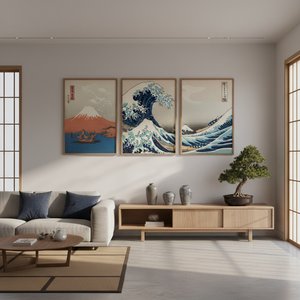
Descubre las 25 obras maestras de Katsushika Hokusai, el genio del ukiyo-e. Explora 'La Gran Ola', paisajes japoneses y su impacto en el arte moderno. Reproducciones de alta calidad para tu hogar en Most-Famous-Paintings.com.

Descubre las 10 pinturas más impactantes dominadas por el negro. Explora obras maestras de Rembrandt, Goya y Rothko, su historia y significado. Encuentra reproducciones de arte exclusivas para transformar tu hogar en .

Descubre los 10 paisajes románticos más influyentes de artistas como Caspar David Friedrich y Turner. Explora la belleza, el simbolismo y las técnicas del movimiento romántico. Reproducciones de arte exclusivas en Most-Famous-Paintings.com.
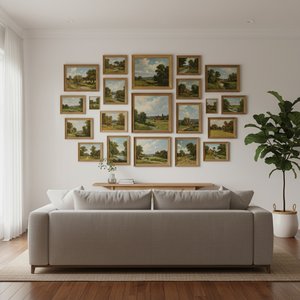
Descubre las 25 obras maestras de John Constable, el pintor romántico inglés que capturó la belleza del paisaje. Explora su técnica, historia y significado en Most-Famous-Paintings.com. Reproducciones de arte de alta calidad para tu hogar.


Manténgase al día con las últimas noticias de arte, ofertas exclusivas e ideas de decoración.
Cuéntanos sobre tu proyecto y nuestros expertos en arte te ofrecerán 3 sugerencias de obras personalizadas.
Dejamos que nosotros seleccionemos 3 opciones exclusivas para ti – ¡Gratis!


 Vista previa
 Compartir
 Compartir
 Ver detalles

 Descargar
 Ver similares
 Radiografía
 Presentación de diapositivas
 Leer más







 La opción de vidrio solo está disponible en tamaños inferiores a 110 cm.


