x

Óleo sobre lienzo pintado a mano en el tamaño y marco de su elección, realizado por encargo por nuestros artistas. ( Pedir impresión Comprar descarga)





























Elija entre nuestros tamaños predefinidos que respetan las proporciones originales de la obra.

Puede ingresar sus propias dimensiones para adaptarse a un marco o espacio específico. Si el tamaño seleccionado no coincide con las proporciones de la imagen original, recortaremos la obra o extenderemos la pintura con elementos adicionales pintados a mano. Se le enviará una maqueta digital para su aprobación antes de comenzar la producción.
Tenga en cuenta que la vista previa en pantalla no refleja el recorte o la extensión reales. Solo la maqueta mostrará con precisión la composición final.
Si bien existen tamaños personalizados, recomendamos seleccionar una dimensión de la lista predefinida para preservar las proporciones originales.
Envío a todo el mundo () en 3-4 semanas en lugar de las 5 semanas estándar. (16 agosto). Sin comprometer la calidad.


Satyr
Tamaño de la reproducción
Benvenuto Cellini’s “Satyr” stands as a captivating testament to the dynamism and sensual allure that defined the Mannerist period in Italian art. Completed around 1545, this bronze sculpture transcends mere representation; it embodies the very spirit of Dionysian revelry and the untamed beauty of the natural world. More than just a depiction of a mythological creature, Cellini’s satyr is an embodiment of potent emotion – a moment frozen in time, brimming with both mischievous energy and a profound, almost melancholic contemplation.
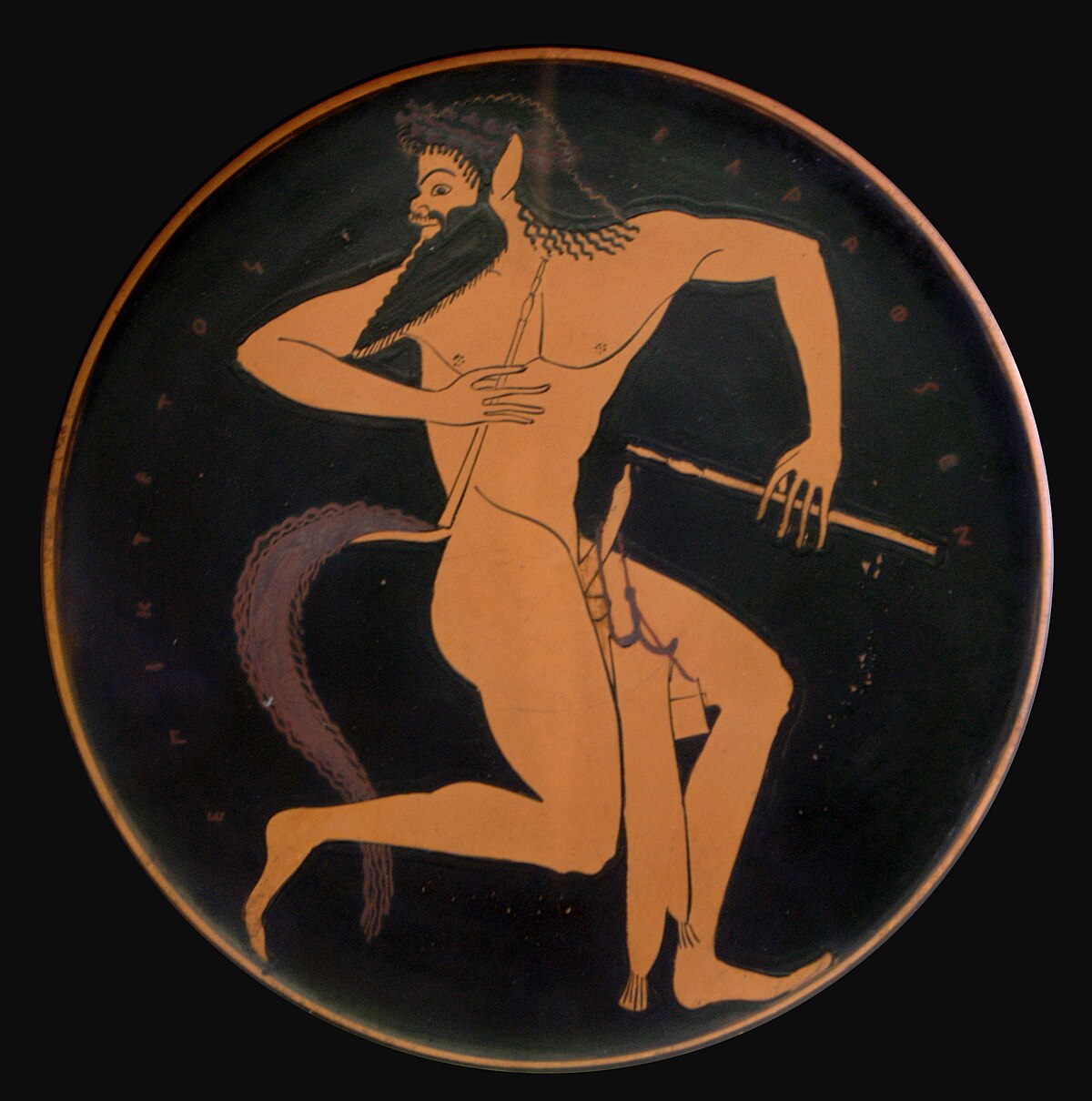
The sculpture itself is a marvel of technical skill and expressive form. Standing nearly four feet tall, the satyr is rendered in a remarkably realistic style, yet imbued with an unmistakable Mannerist flair. His muscular physique, accentuated by the strong lines of his arms and belly, speaks to a primal vitality – a celebration of the body’s inherent power. The details are exquisite: the unruly curls of his hair, the intense gaze of his eyes, the subtle suggestion of a mischievous grin. Notably, the bronze is treated with a rich, aged patina that adds depth and character, hinting at the passage of time and the sculpture's journey through history.
Cellini’s satyr isn’t simply a charming figure from Greek mythology; it’s deeply rooted in the cultural context of the 16th century. Satyrs, companions to the god Dionysus, were traditionally associated with wildness, intoxication, music, and fertility – potent symbols of human desires and impulses. In Renaissance Florence, these themes resonated powerfully, particularly within the circles of artists and intellectuals who sought to reconcile classical ideals with contemporary sensibilities. Cellini’s work reflects this complex interplay, capturing both the exuberance and the underlying melancholy inherent in the satyr's existence.
The sculpture’s creation coincided with Cellini’s time at the court of Francis I of France, a period marked by lavish patronage and an embrace of Mannerist aesthetics. This royal commission further elevated the work, imbuing it with a sense of grandeur and sophistication. The choice of bronze as the medium itself is significant – a material prized for its durability, luster, and ability to capture intricate detail.
Beyond its mythological subject matter, “Satyr” is rich in symbolic meaning. The satyr’s gesture—raised hand, as if reaching out or beckoning—suggests an invitation into a world of pleasure and abandon. The sculpture's composition, with the satyr presented in profile, creates a sense of intimacy and immediacy, drawing the viewer into his gaze. Cellini masterfully employed techniques such as *repoussé* (hammering metal from the reverse side to create relief) and *chasing* (using tools to refine the surface of the metal), demonstrating his exceptional skill as a goldsmith and sculptor.
The sculpture’s hollow back, filled with fragments of burnt clay and wooden pegs, is particularly intriguing. This deliberate inclusion suggests a layering of meaning—a reference to the satyr's connection to the earth and the cyclical nature of life and death. It also hints at Cellini’s own fascination with materials and his desire to create works that were both beautiful and intellectually stimulating.
Benvenuto Cellini’s “Satyr” remains a powerful and evocative work of art, captivating viewers with its blend of mythological narrative, technical brilliance, and emotional depth. It is a window into the Renaissance world—a celebration of human creativity, sensual desire, and the enduring power of myth. Reproductions by Most-Famous-Paintings offer an exceptional opportunity to bring this iconic masterpiece into your home or office, allowing you to appreciate its beauty and complexity for years to come.

Benvenuto Cellini fue una figura notable del Renacimiento italiano, reconocido como un consumado orfebre, escultor, dibujante, soldado, músico y escritor. Sus múltiples talentos y su personalidad flamígera se capturan vívidamente en su celebrada autobiografía, considerada una obra literaria significativa junto con sus logros artísticos. Encarna el espíritu del manierismo, un período posterior al Alto Renacimiento caracterizado por un dramatismo y una complejidad estilística.
Nacido en una familia con inclinaciones musicales – su padre era músico y fabricante de instrumentos – Cellini inicialmente mostró promesas en la música. Sin embargo, a los quince años, persiguió apasionadamente una carrera como orfebre, convenciendo a su reacio padre para que lo hiciera aprendiz de Antonio di Sandro (conocido como Marcone). Esto marcó el comienzo de su formación artística formal. Sus primeros años no estuvieron exentos de incidentes; a los dieciséis años, se vio envuelto en una reyerta con compañeros, lo que llevó a su destierro de Florencia y un período trabajando en Siena bajo el orfebre Fracastoro.
El estilo de Cellini se caracteriza por su dinamismo, realismo y atención al detalle. Se inspiró en la antigüedad clásica y las figuras poderosas de Miguel Ángel, pero infundió su trabajo con una sensibilidad manierista distintiva: formas alargadas, poses exageradas y un sentido de teatralidad.
La vida de Cellini se extendió mucho más allá del taller. Sirvió como soldado durante los asedios, afirmando haber desempeñado un papel crucial en la defensa de Roma contra las fuerzas imperiales. También fue un músico consumado, tocando el cornetín y la flauta en la corte papal. Sin embargo, es su autobiografía lo que verdaderamente lo distingue.
Su autobiografía no es meramente un relato de eventos; es un autorretrato cuidadosamente construido diseñado para mostrar sus talentos y justificar sus acciones. Si bien a veces es poco fiable debido a los propios sesgos de Cellini, sigue siendo una fuente primaria esencial para comprender la vida del Renacimiento.
Benvenuto Cellini murió en Florencia en 1571, dejando atrás un legado como uno de los artistas más importantes del manierismo. Su habilidad técnica, innovación artística y cautivadora autobiografía continúan inspirando a artistas y entusiastas del arte por igual. Representa el ideal renacentista quintessential: un polímata hábil en múltiples disciplinas, impulsado por la ambición y sin miedo a expresar su individualidad. Sus obras son celebradas por su belleza, artesanía y poder dramático, lo que consolida su lugar como una figura clave en la historia del arte occidental.

1500 - 1571 , Italia

Discover the enduring elegance of bronze sculpture. Our expert guide explores lost-wax casting, patina mastery, and professional tips for collecting and commissioning museum-quality bronze art to create a lasting legacy in your private collection.
Elevate your collection with our expert guide to bronze sculpture. Discover the mastery of lost-wax casting, the artistry of patination, and professional insights for acquiring timeless metal masterpieces that define sophisticated interiors.

Explore the profound history of gold leaf and gilding in Byzantine and Renaissance art. Discover how this sacred technique transformed religious iconography into celestial phenomena through light, symbolism, and unparalleled craftsmanship.


Manténgase al día con las últimas noticias de arte, ofertas exclusivas e ideas de decoración.
Cuéntanos sobre tu proyecto y nuestros expertos en arte te ofrecerán 3 sugerencias de obras personalizadas.
Dejamos que nosotros seleccionemos 3 opciones exclusivas para ti – ¡Gratis!


 Vista previa
 Compartir
 Compartir
 Ver detalles

 Descargar
 Ver similares
 Radiografía
 Presentación de diapositivas

 Leer más







 La opción de vidrio solo está disponible en tamaños inferiores a 110 cm.