x


 Encargar reproducción Comprar imagen en alta resolución
 Enviar
 Detalles
 Añadir a favoritos
 Descargar
 Similares
 Radiografía
 Presentación de diapositivas
Impresión giclée o en lienzo de calidad de museo con producción rápida y opciones de acabado flexibles.





























Elija entre nuestros tamaños predefinidos que respetan las proporciones originales de la obra.

Puede introducir sus propias dimensiones para adaptarse a un marco o espacio específico. Si el tamaño seleccionado no coincide con las proporciones de la imagen original, recortaremos la obra de arte o extenderemos la imagen con un borde con efecto espejo o de color sólido. Se enviará una maqueta digital para su aprobación antes de que comience la producción.
Tenga en cuenta que la vista previa en pantalla no refleja el recorte o la extensión real. Solo la maqueta mostrará con precisión la composición final.
Aunque existen tamaños personalizados, recomendamos seleccionar una dimensión de la lista predefinida para preservar las proporciones originales.
Entrega mundial () en 2 semanas en lugar de las 4/5 semanas estándar. (21 julio)


untitled (7675)
Tamaño de la reproducción
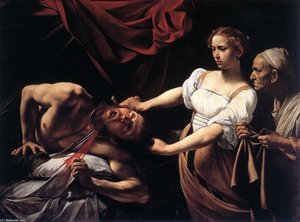
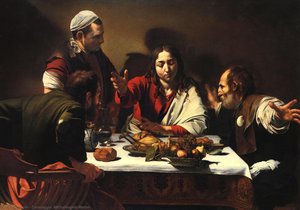
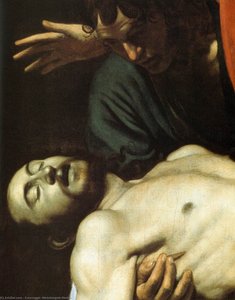
Caravaggio's "Untitled (7675)" is not merely a depiction of three men; it’s a visceral plunge into the heart of human darkness, a testament to the artist’s revolutionary approach to portraying brutality and psychological tension. Painted in oil on canvas, this stark black-and-white composition immediately commands attention with its intensely focused close-up view. The scene unfolds within a modestly furnished room – a dining table bearing a solitary wine glass, chairs scattered around – elements that subtly heighten the sense of unease and impending doom. It’s a tableau stripped bare of extraneous detail, forcing the viewer to confront the raw emotion radiating from the figures themselves.
Born in Milan in 1571, Michelangelo Merisi da Caravaggio (as he was known) emerged as a pivotal figure during the tumultuous transition from the Renaissance to the Baroque period. His early life, marked by profound loss – the deaths of his father and grandfather due to plague – instilled within him an acute sensitivity to human suffering, a theme that would become a cornerstone of his artistic vision. Caravaggio’s rejection of idealized beauty and embrace of realism, particularly in depicting ordinary people with their flaws and vulnerabilities, was profoundly influential. He pioneered the use of tenebrism—a dramatic contrast between light and dark—to heighten emotional impact and create a sense of theatricality. This technique is powerfully evident here, sculpting the figures from pools of shadow and illuminating key moments of action with stark, almost blinding light.
The composition itself speaks volumes about power dynamics and moral ambiguity. One man, gripping a knife, embodies aggression and potential violence; his posture suggests control and dominance. Two other men hold him down, their actions contributing to a scene of subjugation. The third figure, seemingly detached, adds another layer of complexity – is he an accomplice, a witness, or perhaps a victim in waiting? The wine glass on the table could represent celebration, but here it feels like a poisoned chalice, reflecting the corruption and moral decay at play. The lack of context—the absence of identifiable surroundings beyond the immediate room—further amplifies the sense of isolation and vulnerability experienced by the figures.
"Untitled (7675)" exemplifies Caravaggio’s ability to transform everyday moments into profound statements about human nature. His work continues to resonate with viewers centuries later, not just for its technical brilliance but also for its unflinching portrayal of darkness and the complexities of human behavior. A hand-painted reproduction offers a unique opportunity to experience this iconic image firsthand, bringing Caravaggio’s dramatic vision into your space and sparking contemplation about themes of power, violence, and the enduring struggle between good and evil.

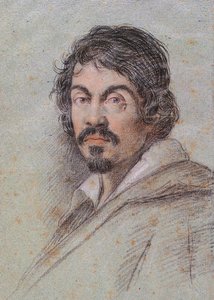
1571 - 1610 , España

Descubre 10 obras maestras del siglo XVII: Rembrandt, Vermeer, Caravaggio y más. Explora la historia, el arte barroco y encuentra reproducciones de alta calidad para decorar tu hogar con elegancia en Most-Famous-Paintings.com.

Descubre los 10 cuadros blancos más emblemáticos de la historia del arte. Explora Monet, Van Gogh y Klimt, y su magistral uso de la luz y el color. Encuentra reproducciones de alta calidad e inspírate para tu decoración en .

Explore the dramatic world of Baroque art! Discover iconic masters like Caravaggio & Rembrandt, their techniques, and the movement's lasting impact. Expert insights for collectors & enthusiasts at Most-Famous-Paintings.

Descubre los 10 cuadros más impactantes dominados por el negro marfil. Explora la historia de Rembrandt, Van Gogh y otros maestros del arte clásico y moderno. Encuentra reproducciones de alta calidad para tu hogar en
Descubre las 10 pinturas más famosas dominadas por el negro marsella. Explora la historia, técnica y simbolismo de obras maestras del expresionismo alemán, gótico y arte moderno. Reproducciones de museos en .


Manténgase al día con las últimas noticias de arte, ofertas exclusivas e ideas de decoración.
Cuéntanos sobre tu proyecto y nuestros expertos en arte te ofrecerán 3 sugerencias de obras personalizadas.
Permítenos seleccionar 3 opciones solo para ti – ¡Gratis!


 Compartir


 Ver más







 La opción de vidrio solo está disponible en tamaños inferiores a 110 cm.