x

 Oil On CanvasWallArtBaroque
 1643Early Modern
 146.0 x 222.0 cm
 Museo del Louvre
Adquiera una imagen digital de alta resolución y optimizada, muy superior a la vista previa en línea.
Cada archivo es preparado meticulosamente por nuestros especialistas internos mediante el uso de herramientas avanzadas y un experto retoque manual. Nos aseguramos de que cada imagen posea una claridad excepcional, una precisión cromática impecable y un detalle minucioso.
El archivo final se entrega por correo electrónico en un plazo de 72 horas, optimizado para su uso inmediato en entornos profesionales, editoriales y de impresión. Esta es la misma calidad en la que confían los estudios de diseño, las editoriales y las galerías de primer nivel.
Descarga un archivo de alta resolución para exhibición personal, impresión y proyectos creativos. ( Pedir impresión Encargar reproducción pintada a mano)
Al elegir Most-Famous-Paintings.com, no solo está adquiriendo una imagen; está recibiendo una obra de arte digital mejorada profesionalmente, elaborada con precisión y respaldada por una garantía de satisfacción. Esto es todo lo que incluye su pedido, automáticamente:

Recibirá su archivo de imagen digital en alta resolución por correo electrónico en un plazo de 72 horas tras realizar su pedido, listo para su uso inmediato.

Su obra de arte se optimiza profesionalmente mediante herramientas avanzadas de IA y edición manual, garantizando el máximo detalle, claridad y precisión cromática.

¿Has borrado o perdido tu archivo por error? No te preocupes: te lo volveremos a enviar en cualquier momento, sin coste adicional.

Disfrute de su obra de arte al instante sin aduanas, aranceles ni gastos de envío; las descargas digitales siempre están libres de impuestos.

Garantizamos que su imagen digital refleje los colores originales con la mayor fidelidad posible, mediante el uso de herramientas profesionales y gestión del color.

Si no está satisfecho con su imagen digital, la revisaremos o le reembolsaremos el 100% en un plazo de 60 días, sin preguntas.

¿No está satisfecho? Obtenga un reembolso completo dentro de los 60 días posteriores a la recepción de su archivo digital, sin necesidad de explicaciones.

Compra 3 imágenes, ahorra 10% - Compra 5, ahorra 15% - Compra 10+, ahorra 20%. Ideal para proyectos creativos, galerías y agencias.
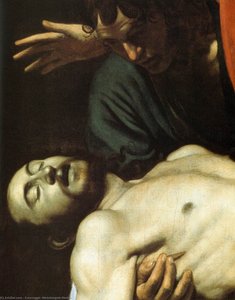
In the hallowed stillness of the Musée du Louvre, there exists a canvas that does more than merely depict a biblical event; it captures the very essence of human grief. Charles Le Brun’s Pietà, painted in 1643, is a monumental achievement of the Baroque era, serving as a profound meditation on sorrow, faith, and the weight of mortality. Originally commissioned for the Sainte-Chapelle in Paris—a sanctuary dedicated to the relics of Christ—this oil on canvas was designed to evoke spiritual contemplation through its sheer emotional gravity. As viewers encounter the work, they are not just observing a scene from the Passion; they are invited into a sacred space where the boundaries between the divine and the human dissolve.
The painting centers on the poignant aftermath of the crucifixion, presenting the Virgin Mary cradling the lifeless form of her son. Le Brun masterfully employs a pyramidal composition, a technique that provides a sense of structural stability to an otherwise turbulent emotional scene. This geometric arrangement directs the eye upward, guiding the observer from the heavy, slumped weight of Christ’s body toward the serene yet heartbroken countenance of Mary. The interplay of light and shadow, known as chiaroscuro, is utilized with breathtaking precision. A singular, dramatic light source illuminates the central figures against a dark, indistinct background, stripping away all worldly distractions to focus the soul entirely on the tragedy unfolding within the frame.
To understand the Pietà is to understand the hand of Charles Le Brun, a titan of French art who shaped the aesthetic standards of the age. His technique reflects the rigorous training he received under masters like Simon Vouet and his transformative years in Rome alongside Nicolas Poussin. In this work, Le Brun achieves a perfect balance between dramatic realism and idealized beauty. The texture of the painting is remarkably rich; one can almost feel the heavy, flowing drapery of Mary’s robes as they cascade around the figures, adding a sense of dynamic movement to the stillness of death. His brushwork captures the subtle nuances of skin, the limpness of muscle, and the intricate folds of fabric, all rendered with an exacting detail that speaks to his mastery of the medium.
Beyond its technical brilliance, the artwork serves as a profound symbolic vessel. The scene is steeped in Christian iconography, representing the ultimate sacrifice and the enduring devotion of the faithful. The presence of figures like Joseph of Arimathea and Mary Magdalene adds layers of communal mourning, yet the focus remains on the intimate bond between mother and son. For the collector or the lover of fine art, this piece offers more than just visual splendor; it provides a window into the 17th-century French soul. It is an ideal centerpiece for those seeking to infuse a space with historical depth, intellectual rigor, and a sense of timeless, quiet majesty.


1619 - 1690 , Francia


Manténgase al día con las últimas noticias de arte, ofertas exclusivas e ideas de decoración.
Cuéntanos sobre tu proyecto y nuestros expertos en arte te ofrecerán 3 sugerencias de obras personalizadas.
Dejamos que nosotros seleccionemos 3 opciones exclusivas para ti – ¡Gratis!


 Vista previa
 Compartir
 Compartir
 Ver detalles

 Descargar
 Ver similares
 Radiografía
 Presentación de diapositivas
 Leer más