


x

 Contemporary Realism
 191019th Century
 29.0 x 39.0 cm
 Biblioteca Nacional de Gales
Óleo sobre lienzo pintado a mano en el tamaño y marco de su elección, realizado por encargo por nuestros artistas. ( Pedir impresión Comprar descarga)





























Elija entre nuestros tamaños predefinidos que respetan las proporciones originales de la obra.

Puede ingresar sus propias dimensiones para adaptarse a un marco o espacio específico. Si el tamaño seleccionado no coincide con las proporciones de la imagen original, recortaremos la obra o extenderemos la pintura con elementos adicionales pintados a mano. Se le enviará una maqueta digital para su aprobación antes de comenzar la producción.
Tenga en cuenta que la vista previa en pantalla no refleja el recorte o la extensión reales. Solo la maqueta mostrará con precisión la composición final.
Si bien existen tamaños personalizados, recomendamos seleccionar una dimensión de la lista predefinida para preservar las proporciones originales.
Envío a todo el mundo () en 3-4 semanas en lugar de las 5 semanas estándar. (18 agosto). Sin comprometer la calidad.


Barmouth
Tamaño de la reproducción
In the gentle strokes of Christopher Williams’ 1910 masterpiece, Barmouth, we are invited into a moment of profound stillness. This evocative landscape captures more than just a geographical location; it captures a feeling of domestic peace and the enduring charm of the Welsh countryside. The painting centers on a modest white cottage, its brown roof nestled against the sloping greenery of a hillside. There is an intimate, almost whispered quality to the scene, where the presence of a solitary dog sitting faithfully by the door serves as a silent sentinel of companionship. Through Williams' eyes, we do not merely observe a house; we feel the warmth of a home and the quiet rhythm of rural life at the dawn of the twentieth century.
The composition is masterfully layered to create a sense of deep, breathing space. Beyond the primary cottage, smaller dwellings emerge through a soft atmospheric haze, suggesting a community woven into the very fabric of the landscape. A solitary bench, positioned near one of these distant homes, acts as an invitation to the viewer—a silent suggestion to pause, sit, and contemplate the sweeping vistas of the Welsh hills. This use of perspective does more than provide depth; it creates a narrative of continuity, linking the immediate foreground to the wider, inhabited world beyond.
As an artist deeply influenced by the spirit of the Celtic Revival, Christopher Williams employed a technique that balances structural clarity with emotional softness. In Barmouth, his brushwork avoids harshness, opting instead for a texture that feels organic and grounded. The interplay of light on the white walls of the cottage and the subtle shadows cast across the hillside demonstrates a sophisticated understanding of natural illumination. This mastery of light allows the painting to glow with an inner warmth, making it an ideal centerpiece for any collection seeking to evoke tranquility.
For the discerning collector or interior designer, this piece offers a timeless elegance that transcends modern trends. The palette—composed of earthy browns, verdant greens, and crisp whites—is both soothing and sophisticated, capable of anchoring a room with its historical weight and pastoral beauty. Whether placed in a sunlit gallery or a cozy study, a high-quality reproduction of Barmouth brings with it the legacy of Williams’ devotion to his Welsh roots, offering an enduring window into a lost era of serene, unhurried beauty.

Christopher David Williams (1873-1934) fue un destacado artista galés cuya carrera abarcó la última época victoriana y los primeros años del siglo XX. Es especialmente recordado por sus evocadoras retratos, escenas alegóricas y paisajes que a menudo reflejaban un fuerte sentido de la identidad galesa y el espíritu del Renacimiento Celta.
Nacido en Maesygwrath, Gales, Williams inicialmente enfrentó la oposición de su padre, Evan Williams, quien había imaginado una carrera médica para él. Sin embargo, una visita transformadora a la Galería Walker de Liverpool en 1892, donde quedó profundamente conmovido por *Perseus y Andromeda* de Frederick Leighton, encendió su pasión por el arte. Esta experiencia consolidó su determinación para vivir como artista.
La obra de Williams se caracteriza por:
Christopher Williams desempeñó un papel importante para promover el arte y la cultura galesa durante su vida. Participó activamente en el National Eisteddfod como jurado y sirvió en comités para el Museo Nacional de Gales y la Honorable Sociedad de Cymmrodorion. Su obra refleja un fuerte sentido de identidad nacional y contribuyó al florecimiento artístico de Gales a principios del siglo XX.
Sus pinturas se conservan en numerosas colecciones públicas, incluyendo el Museo Nacional de Gales, la Colección Real y la Galería Glynn Vivian, asegurando que su legado continúe inspirando y cautivando al público hoy en día. Él era hermano cuñado del artista Fred Appleyard, y padre del astrónomo Evan Gwyn Williams y el artista Ivor Williams.

1873 - 1934 , Estados Unidos de América

Descubre los 10 cuadros blancos más emblemáticos de la historia del arte. Explora Monet, Van Gogh y Klimt, y su magistral uso de la luz y el color. Encuentra reproducciones de alta calidad e inspírate para tu decoración en .
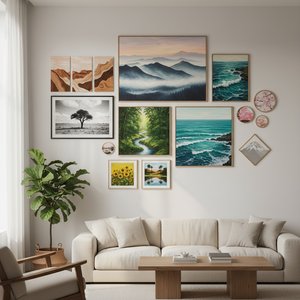
Descubre los 10 paisajes más emblemáticos de la historia del arte, desde Monet a Van Gogh. Explora su significado, técnica y belleza atemporal. Encuentra reproducciones de alta calidad e inspira tu hogar con Most-Famous-Paintings.com.

Descubre los 10 paisajes románticos más influyentes de artistas como Caspar David Friedrich y Turner. Explora la belleza, el simbolismo y las técnicas del movimiento romántico. Reproducciones de arte exclusivas en Most-Famous-Paintings.com.
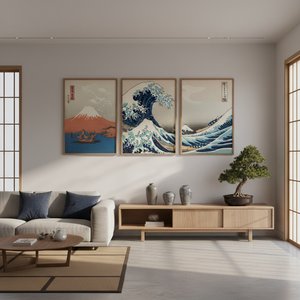
Descubre las 25 obras maestras de Katsushika Hokusai, el genio del ukiyo-e. Explora 'La Gran Ola', paisajes japoneses y su impacto en el arte moderno. Reproducciones de alta calidad para tu hogar en Most-Famous-Paintings.com.

Explore the rich history of landscape art with Most-Famous-Paintings. Discover renowned artists, movements like Impressionism & Romanticism, and expert guidance for collecting timeless pieces. Find your perfect serene escape today!


Manténgase al día con las últimas noticias de arte, ofertas exclusivas e ideas de decoración.
Cuéntanos sobre tu proyecto y nuestros expertos en arte te ofrecerán 3 sugerencias de obras personalizadas.
Dejamos que nosotros seleccionemos 3 opciones exclusivas para ti – ¡Gratis!


 Vista previa
 Compartir
 Compartir
 Ver detalles

 Descargar
 Ver similares
 Radiografía
 Presentación de diapositivas
 Leer más







 La opción de vidrio solo está disponible en tamaños inferiores a 110 cm.


